
Narrowband Filters
Narrowband imaging is what makes deep-sky astrophotography possible from a Canadian city. By passing only a few nanometres around a specific emission line, these filters reject almost all artificial light and most moonlight, so a nebula that is invisible visually from a suburban driveway becomes a viable multi-hour imaging target. David Astro stocks narrowband filters in Canada, held in Canadian inventory.
Bandwidth choice interacts with your telescope's focal ratio in ways that catch people out. Tell us your optic and camera and we will recommend a bandwidth that will actually perform in your system.

Original price
CA$362.00
-
Original price
CA$696.00
Original price
CA$362.00
-
CA$696.00
CA$362.00
-
CA$696.00
Current price
CA$362.00
Antlia 3nm Narrowband H-alpha Pro Filter
Options available
8 variants in stock
656.3nm H-alpha Central Wavelength Small 3nm FHWM High >88% Peak Transmission Minimized halos on bright stars Description Specificat...
View full details
Original price
CA$362.00
-
Original price
CA$696.00
Original price
CA$362.00
-
CA$696.00
CA$362.00
-
CA$696.00
Current price
CA$362.00
Original price
CA$375.00
-
Original price
CA$721.00
Original price
CA$375.00
-
CA$721.00
CA$375.00
-
CA$721.00
Current price
CA$375.00
Antlia 3nm Narrowband H-alpha Pro Highspeed Filter - f/2.6 to f/3.6
Options available
1 variants in stock
Pre-shifted 656.3nm H-alpha Central Wavelength for High-Speed Systems Optimized 3nm FHWM for f/2.6–f/3.6 High >90% Peak Transmission Enhanced S...
View full details
Original price
CA$375.00
-
Original price
CA$721.00
Original price
CA$375.00
-
CA$721.00
CA$375.00
-
CA$721.00
Current price
CA$375.00
Original price
CA$362.00
-
Original price
CA$696.00
Original price
CA$362.00
-
CA$696.00
CA$362.00
-
CA$696.00
Current price
CA$362.00
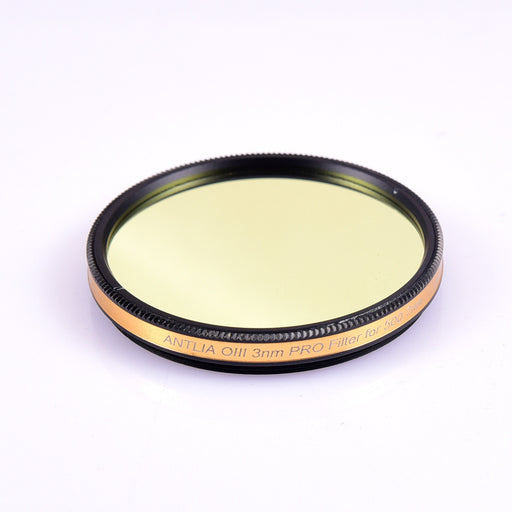
Antlia 3nm Narrowband OIII Pro Filter
Options available
8 variants in stock
Antlia OIII Pro narrowband filter optimizes the FWHM (full width half maximum) to 3nmbandpass. As the bandwidth becomes narrower, the 3nm Pro narro...
View full details
Original price
CA$362.00
-
Original price
CA$696.00
Original price
CA$362.00
-
CA$696.00
CA$362.00
-
CA$696.00
Current price
CA$362.00

Original price
CA$375.00
-
Original price
CA$721.00
Original price
CA$375.00
-
CA$721.00
CA$375.00
-
CA$721.00
Current price
CA$375.00
Antlia 3nm Narrowband OIII Pro Highspeed Filter - f/2.6 to f/3.6
Options available
1 variants in stock
Pre-shifted 500.7nm OIII Central Wavelength for High-Speed Systems Optimized 3nm FHWM for f/2.6–f/3.6 High >90% Peak Transmission Enhan...
View full details
Original price
CA$375.00
-
Original price
CA$721.00
Original price
CA$375.00
-
CA$721.00
CA$375.00
-
CA$721.00
Current price
CA$375.00
Original price
CA$362.00
-
Original price
CA$696.00
Original price
CA$362.00
-
CA$696.00
CA$362.00
-
CA$696.00
Current price
CA$362.00
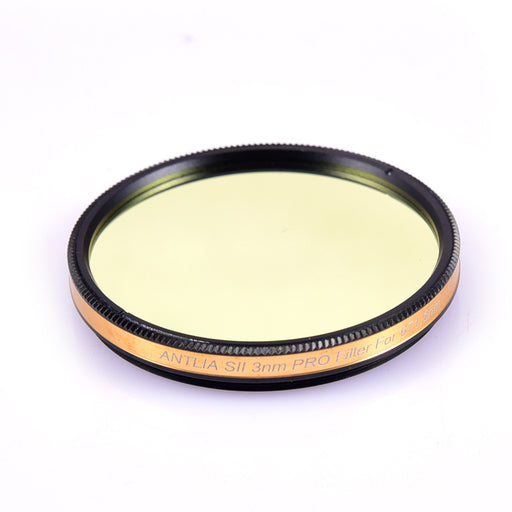
Antlia 3nm Narrowband SII Pro Filter
Options available
7 variants in stock
Antlia SII Pro narrowband filter optimizes the FWHM (full width half maximum) to 3nm bandpass. As the bandwidth becomes narrower, the 3nm Pro narro...
View full details
Original price
CA$362.00
-
Original price
CA$696.00
Original price
CA$362.00
-
CA$696.00
CA$362.00
-
CA$696.00
Current price
CA$362.00
Original price
CA$375.00
-
Original price
CA$721.00
Original price
CA$375.00
-
CA$721.00
CA$375.00
-
CA$721.00
Current price
CA$375.00
Antlia 3nm Narrowband SII Pro Highspeed Filter - f/2.6 to f/3.6
Options available
1 variants in stock
Pre-shifted 673.6nm SII Central Wavelength for High-Speed Systems Optimized 3nm FWHM for f/2.6–f/3.6 High >90% Peak Transmission Enhanc...
View full details
Original price
CA$375.00
-
Original price
CA$721.00
Original price
CA$375.00
-
CA$721.00
CA$375.00
-
CA$721.00
Current price
CA$375.00
Original price
CA$263.00
-
Original price
CA$497.00
Original price
CA$263.00
-
CA$497.00
CA$263.00
-
CA$497.00
Current price
CA$263.00
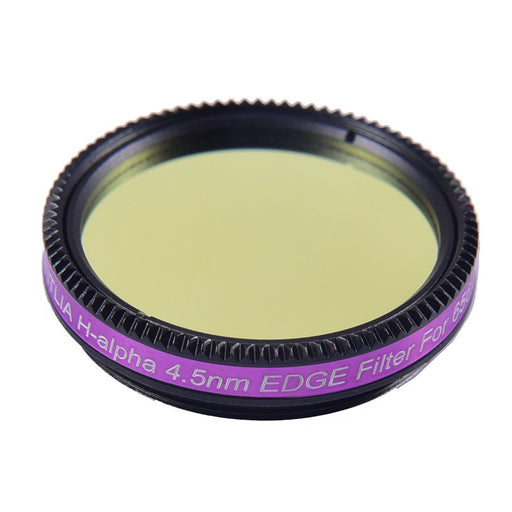
Antlia 4.5nm Narrowband H-alpha Edge Filter
Options available
8 variants in stock
Antlia H-alpha EDGE narrowband filter optimizes the FWHM (full width half maximum) to 4.5nm bandpass. The suppression of optical density (OD)5 on ...
View full details
Original price
CA$263.00
-
Original price
CA$497.00
Original price
CA$263.00
-
CA$497.00
CA$263.00
-
CA$497.00
Current price
CA$263.00
Original price
CA$263.00
-
Original price
CA$497.00
Original price
CA$263.00
-
CA$497.00
CA$263.00
-
CA$497.00
Current price
CA$263.00
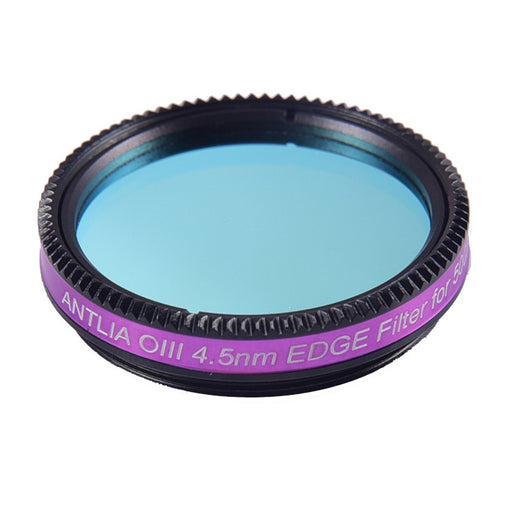
Antlia 4.5nm Narrowband OIII Edge Filter
Options available
8 variants in stock
Antlia OIII EDGE narrowband filter optimizes the FWHM (full width half maximum) to 4.5nm bandpass. The suppression of optical density (OD)5 on unw...
View full details
Original price
CA$263.00
-
Original price
CA$497.00
Original price
CA$263.00
-
CA$497.00
CA$263.00
-
CA$497.00
Current price
CA$263.00
Original price
CA$263.00
-
Original price
CA$497.00
Original price
CA$263.00
-
CA$497.00
CA$263.00
-
CA$497.00
Current price
CA$263.00
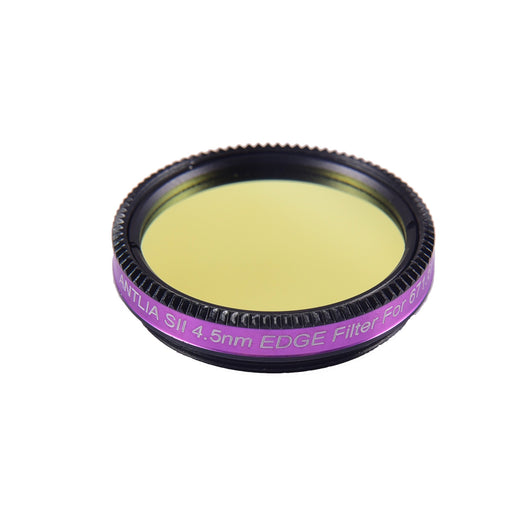
Antlia 4.5nm Narrowband SII Edge Filter
Options available
7 variants in stock
Antlia SII EDGE narrowband filter optimizes the FWHM (full width half maximum) to 4.5nm bandpass. The suppression of optical density (OD)5 on unwa...
View full details
Original price
CA$263.00
-
Original price
CA$497.00
Original price
CA$263.00
-
CA$497.00
CA$263.00
-
CA$497.00
Current price
CA$263.00
Original price
CA$658.00
Original price
CA$658.00
-
Original price
CA$658.00
Original price
CA$658.00
Current price
CA$300.00
CA$300.00
-
CA$300.00
Current price
CA$300.00
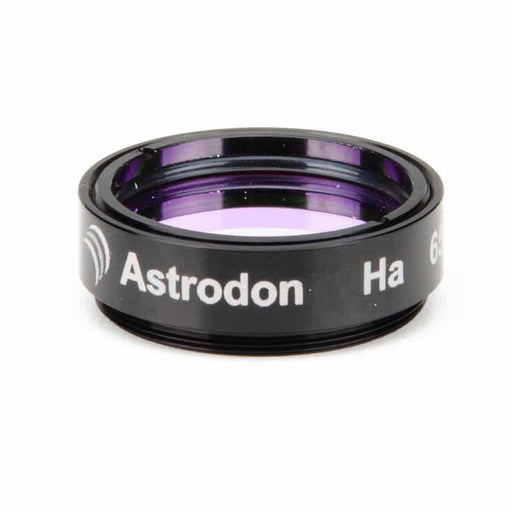
Astrodon H-alpha Filter - 5nm
DON-HA5_31R
Only 1 left!
H-α (hydrogen-alpha) at 656 nm (nanometers) is deep red in color and the most popular narrowband filter. Hydrogen is ubiquitous in the cosmos and i...
View full details
Original price
CA$658.00
Original price
CA$658.00
-
Original price
CA$658.00
Original price
CA$658.00
Current price
CA$300.00
CA$300.00
-
CA$300.00
Current price
CA$300.00
Save 54%
Original price
CA$658.00
Original price
CA$658.00
-
Original price
CA$658.00
Original price
CA$658.00
Current price
CA$300.00
CA$300.00
-
CA$300.00
Current price
CA$300.00
Astrodon SII Filter - 5nm
DON-SII5_31R
If you want the look of Hubble Space Telescope (HST) images, such as the famous “Pillars of Creation” (the Eagle Nebula, Messier 16), then the next...
View full details
Original price
CA$658.00
Original price
CA$658.00
-
Original price
CA$658.00
Original price
CA$658.00
Current price
CA$300.00
CA$300.00
-
CA$300.00
Current price
CA$300.00
Sold out


Original price
CA$1,151.00
-
Original price
CA$2,607.00
Original price
CA$1,151.00
-
CA$2,607.00
CA$1,151.00
-
CA$2,607.00
Current price
CA$1,151.00
Baader 3.5/4nm f/2 Ultra-Highspeed Filter Set - CMOS-Optimized H-alpha/O-III/S-II
Options available
3.5nm (H-alpha, S-II) and 4nm (O-III) Bandpasses Optimized for f/2 Ultra-Highspeed Optical Systems CMOS-Optimized with Reflex-Blocker™ Coatings Pr...
View full details
Original price
CA$1,151.00
-
Original price
CA$2,607.00
Original price
CA$1,151.00
-
CA$2,607.00
CA$1,151.00
-
CA$2,607.00
Current price
CA$1,151.00

Original price
CA$1,126.00
-
Original price
CA$2,451.00
Original price
CA$1,126.00
-
CA$2,451.00
CA$1,126.00
-
CA$2,451.00
Current price
CA$1,126.00
Baader 3.5nm / 4nm Narrowband Filter Set - CMOS-Optimized H-alpha/O-III/S-II
Options available
1 variants in stock
3-Filter Set: H-alpha (3.5nm), O-III (4nm), S-II (3.5nm) Ultra-Narrow Bandpasses for Maximum Image Contrast CMOS-Optimized to Eliminate Halos and ...
View full details
Original price
CA$1,126.00
-
Original price
CA$2,451.00
Original price
CA$1,126.00
-
CA$2,451.00
CA$1,126.00
-
CA$2,451.00
Current price
CA$1,126.00

Original price
CA$382.00
-
Original price
CA$822.00
Original price
CA$382.00
-
CA$822.00
CA$382.00
-
CA$822.00
Current price
CA$382.00
Baader 4nm Ultra-Narrowband OIII Filter - CMOS-Optimized
Options available
1 variants in stock
4nm Ultra-Narrowband OIII Bandpass Optimized for Modern CMOS Sensors Reflex-Blocker™ Hard Coatings to Prevent Halos Life-Coat™ Technology for Extr...
View full details
Original price
CA$382.00
-
Original price
CA$822.00
Original price
CA$382.00
-
CA$822.00
CA$382.00
-
CA$822.00
Current price
CA$382.00


Original price
CA$656.00
-
Original price
CA$1,611.00
Original price
CA$656.00
-
CA$1,611.00
CA$656.00
-
CA$1,611.00
Current price
CA$656.00
Baader 6.5nm f/2 Highspeed Filter Set - CMOS-Optimized H-alpha/O-III/S-II
Options available
1 variants in stock
Set of 3 Narrowband Filters: H-alpha, O-III, and S-II 6.5nm Bandpass for high-contrast imaging Optimized for f/2 to f/3.5 High-Speed Optical Syste...
View full details
Original price
CA$656.00
-
Original price
CA$1,611.00
Original price
CA$656.00
-
CA$1,611.00
CA$656.00
-
CA$1,611.00
Current price
CA$656.00
Original price
CA$217.00
-
Original price
CA$564.00
Original price
CA$217.00
-
CA$564.00
CA$217.00
-
CA$564.00
Current price
CA$217.00
Baader 6.5nm H-alpha Filter - CMOS-Optimized
Options available
6.5nm FWHM Bandpass CMOS-Optimized Anti-Reflection Coatings Reflex-Blocker™ coatings to prevent halos Life-Coat™ scratch-resistant hard coatings A...
View full details
Original price
CA$217.00
-
Original price
CA$564.00
Original price
CA$217.00
-
CA$564.00
CA$217.00
-
CA$564.00
Current price
CA$217.00

Original price
CA$609.00
-
Original price
CA$1,589.00
Original price
CA$609.00
-
CA$1,589.00
CA$609.00
-
CA$1,589.00
Current price
CA$609.00
Baader 6.5nm Narrowband Filter Set - CMOS-Optimized H-alpha/O-III/S-II
Options available
6.5nm Narrowband Filter Set for H-alpha, O-III, and S-II Optimized specifically for modern CMOS astronomy cameras Reflex-Blocker™ coatings prevent...
View full details
Original price
CA$609.00
-
Original price
CA$1,589.00
Original price
CA$609.00
-
CA$1,589.00
CA$609.00
-
CA$1,589.00
Current price
CA$609.00

Original price
CA$213.00
-
Original price
CA$557.00
Original price
CA$213.00
-
CA$557.00
CA$213.00
-
CA$557.00
Current price
CA$213.00
Baader 6.5nm OIII Filter - CMOS-Optimized
Options available
6.5nm FWHM Bandpass Optimized for Modern CMOS Sensors Reflex-Blocker™ Hard Coatings Available in 7 Formats (Mounted and Unmounted) Plane-Parallel ...
View full details
Original price
CA$213.00
-
Original price
CA$557.00
Original price
CA$213.00
-
CA$557.00
CA$213.00
-
CA$557.00
Current price
CA$213.00

Original price
CA$210.00
-
Original price
CA$552.00
Original price
CA$210.00
-
CA$552.00
CA$210.00
-
CA$552.00
Current price
CA$210.00
Baader 6.5nm SII Filter - CMOS-Optimized
Options available
6.5nm FWHM Bandpass Optimized for Modern CMOS Sensors Suppresses Halos and Internal Reflections High-Contrast for Sulfur-II Emission Nebulae Avail...
View full details
Original price
CA$210.00
-
Original price
CA$552.00
Original price
CA$210.00
-
CA$552.00
CA$210.00
-
CA$552.00
Current price
CA$210.00

Original price
CA$153.00
-
Original price
CA$370.00
Original price
CA$153.00
-
CA$370.00
CA$153.00
-
CA$370.00
Current price
CA$153.00
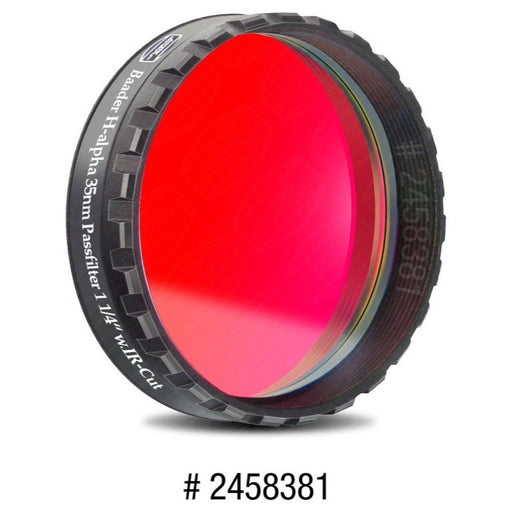
Baader H-Alpha CCD Filter -35nm
Options available
Premium grade H-alpha interline chip CCD-filter for fast optical systems f/10 to f/2.8 IR-blocked NO halos, NO reflections, NO ghosting Non-aging ...
View full details
Original price
CA$153.00
-
Original price
CA$370.00
Original price
CA$153.00
-
CA$370.00
CA$153.00
-
CA$370.00
Current price
CA$153.00


Original price
CA$1,130.00
-
Original price
CA$2,457.00
Original price
CA$1,130.00
-
CA$2,457.00
CA$1,130.00
-
CA$2,457.00
Current price
CA$1,130.00
Baader Planetarium 3.5 / 4nm f/3 Ultra-Highspeed Filter-Set – CMOS-optimized (H-alpha / O-III / S-II)
Options available
3.5 / 4nm Ultra-Narrow H-alpha, O-III & S-II Bandpasses Pre-Shifted for Fast f/3 "Ultra-Highspeed" Optical Systems CMOS-Optimized with Anti-Re...
View full details
Original price
CA$1,130.00
-
Original price
CA$2,457.00
Original price
CA$1,130.00
-
CA$2,457.00
CA$1,130.00
-
CA$2,457.00
Current price
CA$1,130.00


Original price
CA$137.00
-
Original price
CA$241.00
Original price
CA$137.00
-
CA$241.00
CA$137.00
-
CA$241.00
Current price
CA$137.00
Baader Planetarium H-alpha Bandpass Filter (20nm)
Options available
H-alpha Bandpass Filter in 1.25" & 2" Sizes 20nm FWHM Bandwidth 656.3nm Center Wavelength Optimized for Color CMOS/CCD Cameras High-Contrast f...
View full details
Original price
CA$137.00
-
Original price
CA$241.00
Original price
CA$137.00
-
CA$241.00
CA$137.00
-
CA$241.00
Current price
CA$137.00


Original price
CA$233.00
-
Original price
CA$571.00
Original price
CA$233.00
-
CA$571.00
CA$233.00
-
CA$571.00
Current price
CA$233.00
Baader Planetarium H-alpha f/2 Highspeed-Filter (6.5nm) – CMOS-optimized
Options available
Engineered for ultra-fast f/2 optical systems 6.5nm H-alpha bandpass for high-contrast imaging CMOS-optimized to suppress halos and internal refle...
View full details
Original price
CA$233.00
-
Original price
CA$571.00
Original price
CA$233.00
-
CA$571.00
CA$233.00
-
CA$571.00
Current price
CA$233.00


Original price
CA$431.00
-
Original price
CA$1,079.00
Original price
CA$431.00
-
CA$1,079.00
CA$431.00
-
CA$1,079.00
Current price
CA$431.00
Baader Planetarium H-alpha f/2 Ultra-Highspeed-Filter (3.5nm) – CMOS-optimized
Options available
Engineered for f/2 ultra-highspeed optical systems 3.5nm bandpass for maximum H-alpha contrast CMOS-optimized with anti-reflection coatings Availa...
View full details
Original price
CA$431.00
-
Original price
CA$1,079.00
Original price
CA$431.00
-
CA$1,079.00
CA$431.00
-
CA$1,079.00
Current price
CA$431.00