
Visual Filters
Visual filters are designed for the eye rather than a sensor, and the difference matters. Human night vision is most sensitive around 500 nm, so a visual nebula filter is tuned to pass what your dark-adapted eye can actually detect, while an imaging filter is tuned to what silicon records. David Astro carries visual filters in Canada, held in Canadian stock.
Aperture determines how much filtering you can afford to lose light to. Tell us your telescope and targets and we will recommend accordingly.

Original price
CA$236.00
-
Original price
CA$236.00
Original price
CA$236.00
CA$236.00
-
CA$236.00
Current price
CA$236.00
Antlia CH4 Methane Filter - 1.25"
ANT-CH4
1 in stock
Antlia methane (CH4) filter is a specialized filter that allows light in the near infrared portion of the spectrum centered at 889nm to pass throug...
View full details
Original price
CA$236.00
-
Original price
CA$236.00
Original price
CA$236.00
CA$236.00
-
CA$236.00
Current price
CA$236.00
Original price
CA$141.00
-
Original price
CA$141.00
Original price
CA$141.00
CA$141.00
-
CA$141.00
Current price
CA$141.00
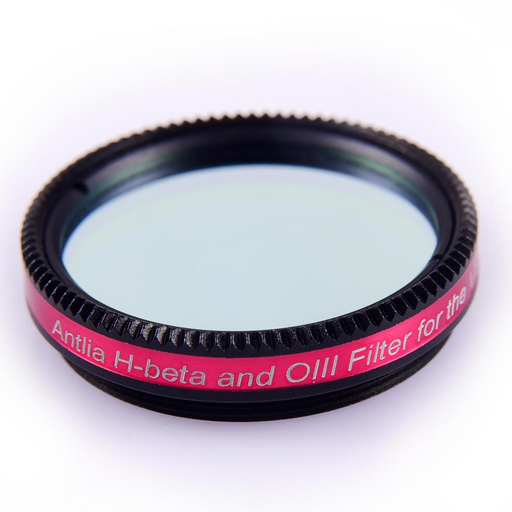
Antlia H-beta and OIII Visual Filter - 1.25"
ANT-HB-OIII-1.25
3 in stock
Antlia HB-OIII filter is engineered specifically for night visual nebulae observation at a high contrast and Deep-sky astrophotography. Its transm...
View full details
Original price
CA$141.00
-
Original price
CA$141.00
Original price
CA$141.00
CA$141.00
-
CA$141.00
Current price
CA$141.00
Original price
CA$283.00
-
Original price
CA$283.00
Original price
CA$283.00
CA$283.00
-
CA$283.00
Current price
CA$283.00
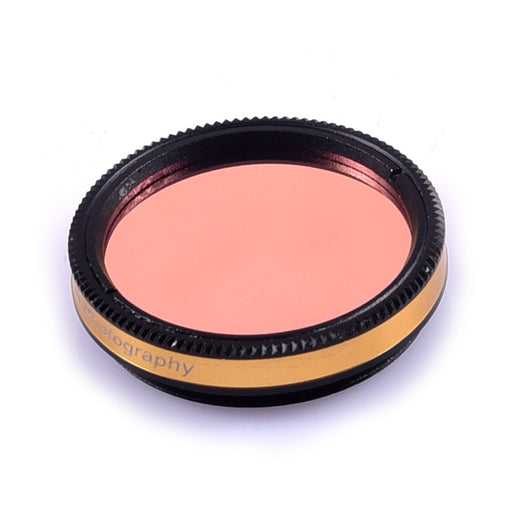
Antlia U-Venus Filter - 1.25"
ANT-UVENUS
2 in stock
Antlia Venus-U filter is designed for imaging the cloud structure of Venus and Jupiter with CCD cameras on a telescope. Cloud details primarily re...
View full details
Original price
CA$283.00
-
Original price
CA$283.00
Original price
CA$283.00
CA$283.00
-
CA$283.00
Current price
CA$283.00


Original price
CA$116.00
-
Original price
CA$232.00
Original price
CA$116.00
-
CA$232.00
CA$116.00
-
CA$232.00
Current price
CA$116.00
Baader C2 Swan-Band Comet Filter (15nm)
Options available
2 variants in stock
Targets C2 Swan Bands in comet gas tails 15nm bandpass for high-contrast views O-III parallel transmission for nebula observation Available in 1.2...
View full details
Original price
CA$116.00
-
Original price
CA$232.00
Original price
CA$116.00
-
CA$232.00
CA$116.00
-
CA$232.00
Current price
CA$116.00
Original price
CA$401.00
-
Original price
CA$605.00
Original price
CA$401.00
-
CA$605.00
CA$401.00
-
CA$605.00
Current price
CA$401.00
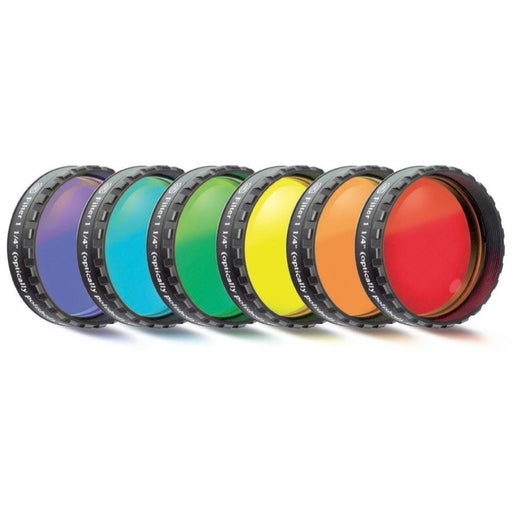
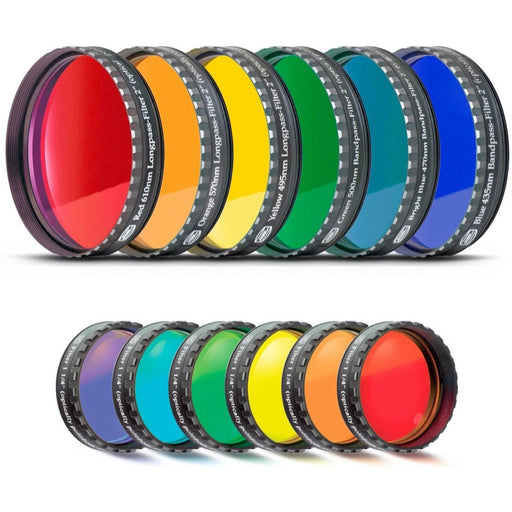
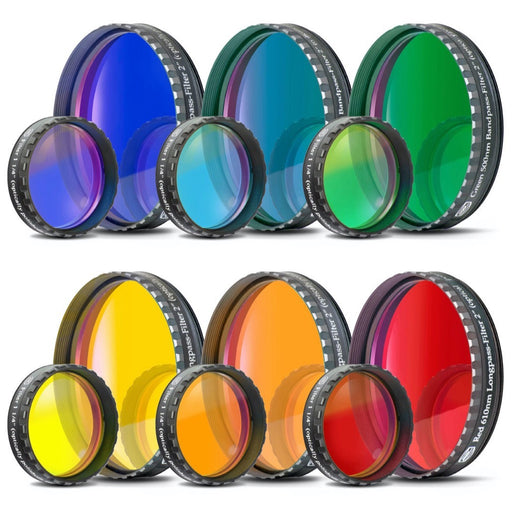
Baader Color Filter Set - 6 Colors
Options available
2 variants in stock
Set of 6 essential color filters for lunar and planetary observing Planeoptically polished to maintain image sharpness at high magnification Doubl...
View full details
Original price
CA$401.00
-
Original price
CA$605.00
Original price
CA$401.00
-
CA$605.00
CA$401.00
-
CA$605.00
Current price
CA$401.00
Original price
CA$130.00
-
Original price
CA$209.00
Original price
CA$130.00
-
CA$209.00
CA$130.00
-
CA$209.00
Current price
CA$130.00
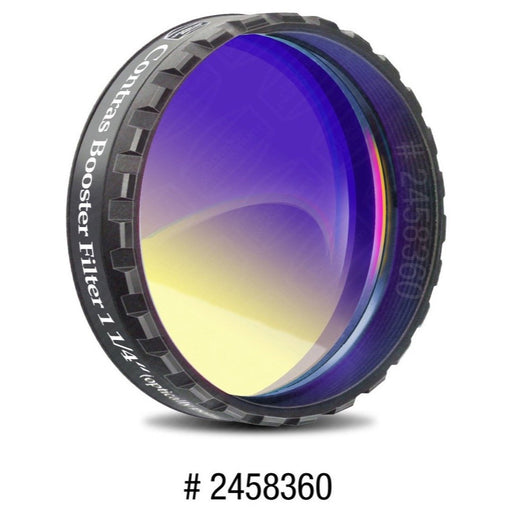
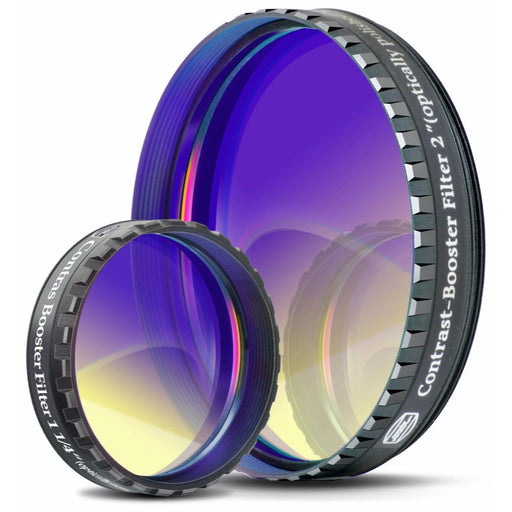
Baader Contrast-Booster Filter
Options available
6 variants in stock
Enhances contrast for lunar and planetary observing Significantly darkens skyglow background Reveals subtle details in Jupiter's cloud belts and M...
View full details
Original price
CA$130.00
-
Original price
CA$209.00
Original price
CA$130.00
-
CA$209.00
CA$130.00
-
CA$209.00
Current price
CA$130.00
Original price
CA$75.00
-
Original price
CA$110.00
Original price
CA$75.00
-
CA$110.00
CA$75.00
-
CA$110.00
Current price
CA$75.00
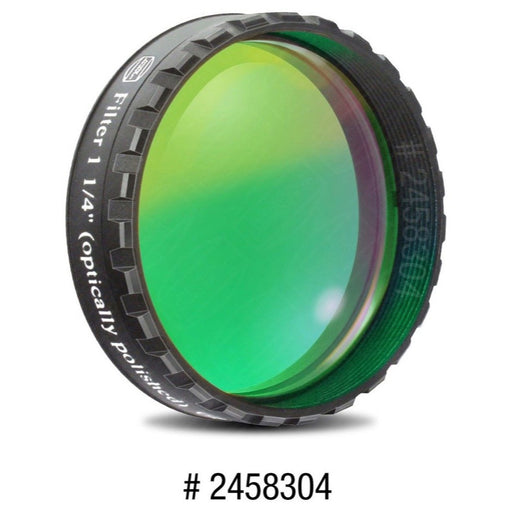
Baader Individual Color Filter - Dark Blue, Bright Blue, Green, Yellow, Red, Orange
Options available
12 variants in stock
Available in 6 distinct colors for targeted planetary observation Planeoptically polished to 30 arcseconds for zero image degradation 7-layer anti...
View full details
Original price
CA$75.00
-
Original price
CA$110.00
Original price
CA$75.00
-
CA$110.00
CA$75.00
-
CA$110.00
Current price
CA$75.00
Original price
CA$348.00
-
Original price
CA$348.00
Original price
CA$348.00
CA$348.00
-
CA$348.00
Current price
CA$348.00
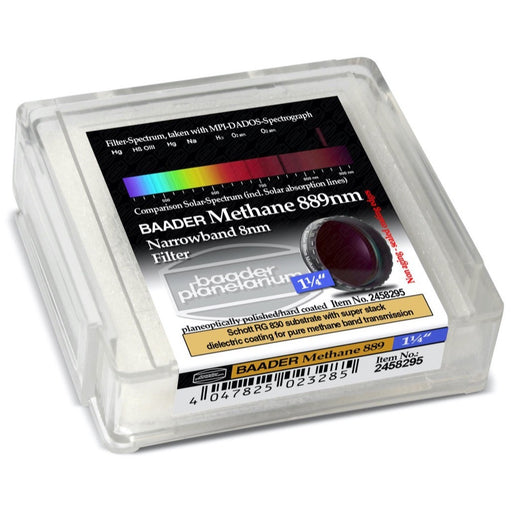
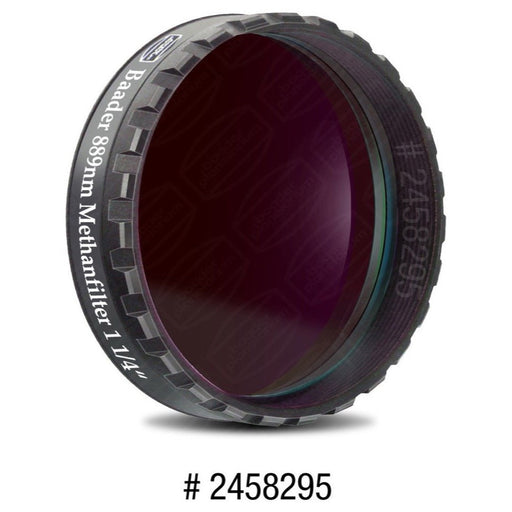
Baader Methane Filter 889nm - 8nm 1.25"
BAA-2458295
889nm Center Wavelength 8nm Bandwidth (FWHM) Targets Methane Absorption Band High-Contrast Planetary Imaging 1.25" Filter Format Description FA...
View full details
Original price
CA$348.00
-
Original price
CA$348.00
Original price
CA$348.00
CA$348.00
-
CA$348.00
Current price
CA$348.00
Original price
CA$130.00
-
Original price
CA$213.00
Original price
CA$130.00
-
CA$213.00
CA$130.00
-
CA$213.00
Current price
CA$130.00
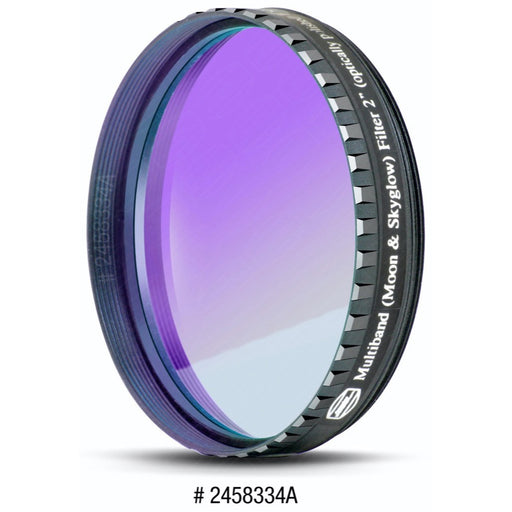
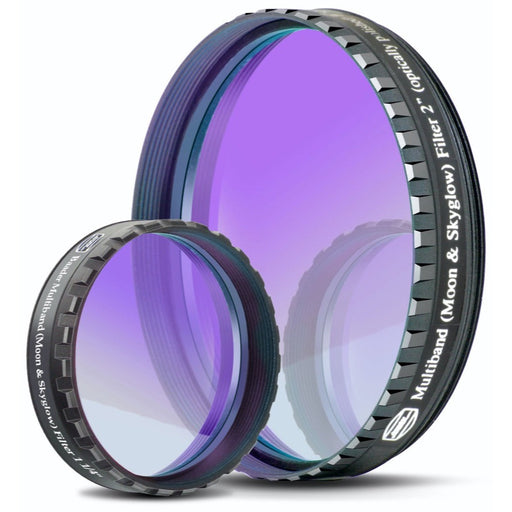
Baader Moon & Skyglow Filter
Options available
5 variants in stock
Enhances lunar and planetary contrast with a Neodymium glass substrate Suppresses skyglow from artificial lighting without aggressive color shifti...
View full details
Original price
CA$130.00
-
Original price
CA$213.00
Original price
CA$130.00
-
CA$213.00
CA$130.00
-
CA$213.00
Current price
CA$130.00
Original price
CA$70.00
-
Original price
CA$118.00
Original price
CA$70.00
-
CA$118.00
CA$70.00
-
CA$118.00
Current price
CA$70.00
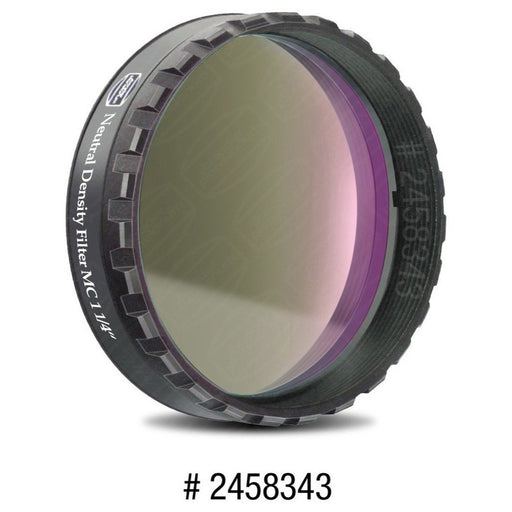
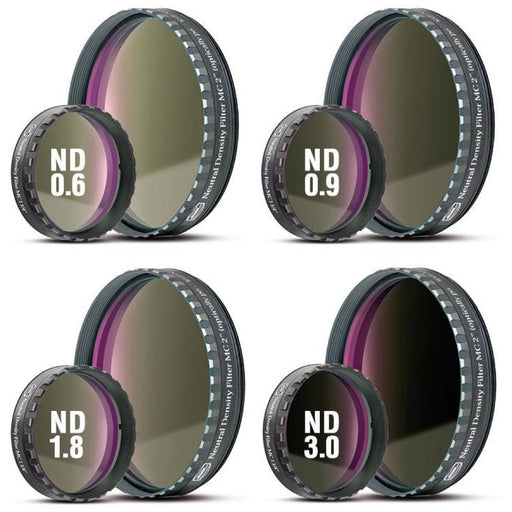
Baader Neutral Density Filter - ND 0.6/0.9/1.8/3.0
Options available
6 variants in stock
Four Neutral Density Options: ND 0.6, ND 0.9, ND 1.8, and ND 3.0 Two Standard Sizes: 1.25" and 2" round mounted cells Coatings: Baader Planetarium...
View full details
Original price
CA$70.00
-
Original price
CA$118.00
Original price
CA$70.00
-
CA$118.00
CA$70.00
-
CA$118.00
Current price
CA$70.00
Original price
CA$117.00
-
Original price
CA$169.00
Original price
CA$117.00
-
CA$169.00
CA$117.00
-
CA$169.00
Current price
CA$117.00
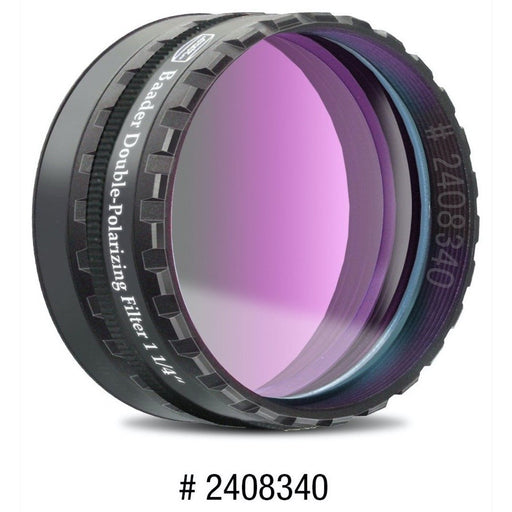
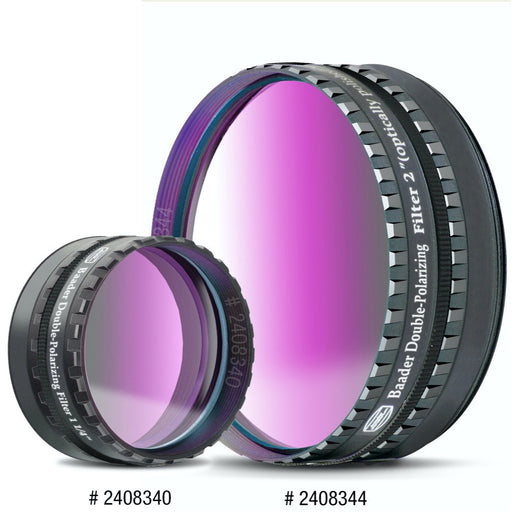
Baader Polarizing Filter - Double
Options available
2 variants in stock
Continuously variable brightness adjustment Available in 1.25" and 2" barrel sizes Reduces glare on the Moon and bright planets Single-unit, doubl...
View full details
Original price
CA$117.00
-
Original price
CA$169.00
Original price
CA$117.00
-
CA$169.00
CA$117.00
-
CA$169.00
Current price
CA$117.00
Original price
CA$62.00
-
Original price
CA$105.00
Original price
CA$62.00
-
CA$105.00
CA$62.00
-
CA$105.00
Current price
CA$62.00
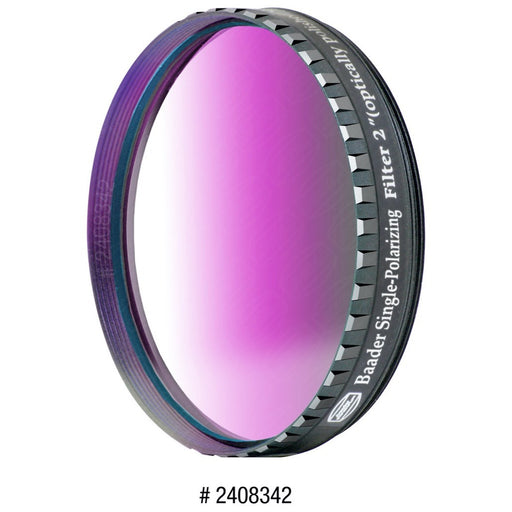
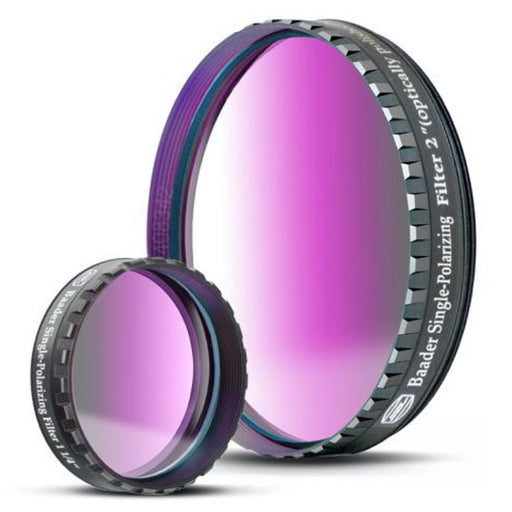
Baader Polarizing Filter - Single
Options available
2 variants in stock
Available in 1.25" and 2" Barrel Sizes Essential for Brightness Control with a Herschel Wedge Enhances Contrast on Planetary and Lunar Targets Sta...
View full details
Original price
CA$62.00
-
Original price
CA$105.00
Original price
CA$62.00
-
CA$105.00
CA$62.00
-
CA$105.00
Current price
CA$62.00
Original price
CA$348.00
-
Original price
CA$487.00
Original price
CA$348.00
-
CA$487.00
CA$348.00
-
CA$487.00
Current price
CA$348.00
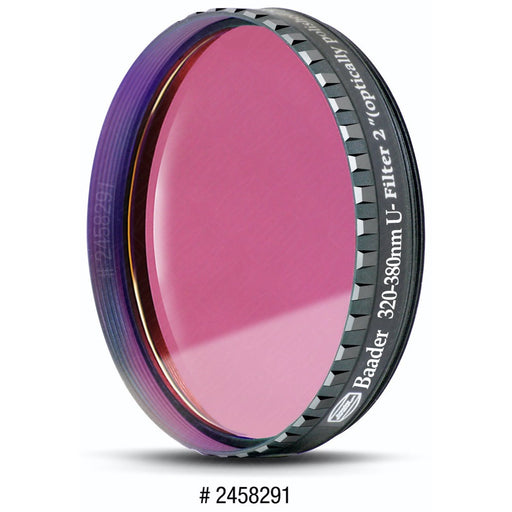
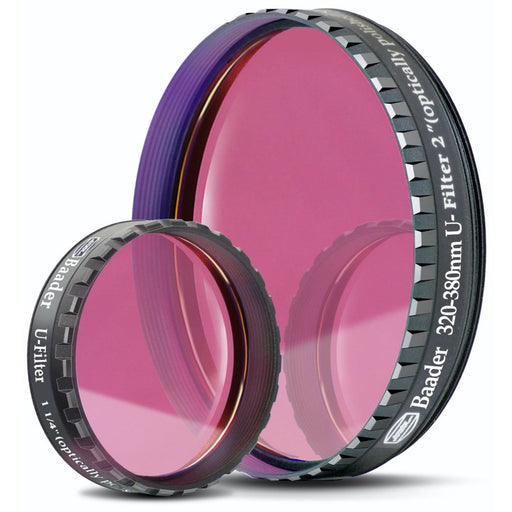
Baader U-Venus Filter - 350nm
Options available
1 variants in stock
350nm Central Wavelength 60nm Bandwidth (320-380nm) ~80% Peak Transmission Blocks Visible and IR light from 200nm to 1120nm Dielectric Multi-Coate...
View full details
Original price
CA$348.00
-
Original price
CA$487.00
Original price
CA$348.00
-
CA$487.00
CA$348.00
-
CA$487.00
Current price
CA$348.00
Original price
CA$153.00
-
Original price
CA$265.00
Original price
CA$153.00
-
CA$265.00
CA$153.00
-
CA$265.00
Current price
CA$153.00
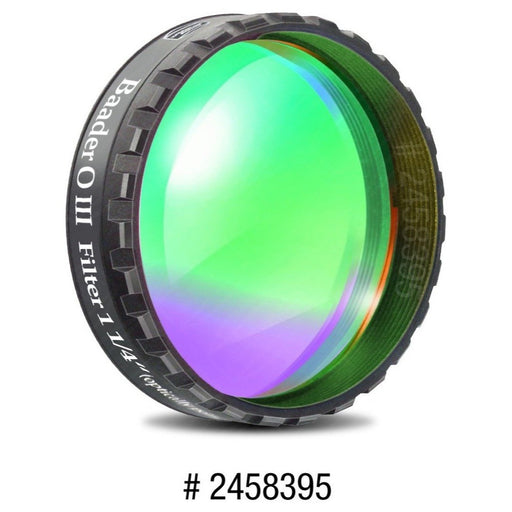
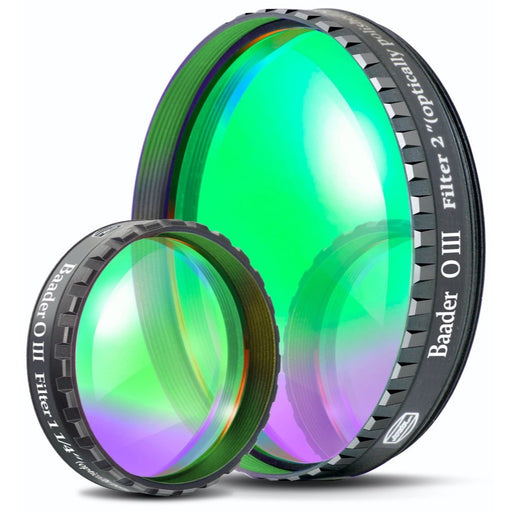
Baader Visual OIII Nebula Filter
Options available
Delivers the absolute highest contrast views of many diffuse and planetary nebula. For many objects, the Baader O-III reveals a level of intricate ...
View full details
Original price
CA$153.00
-
Original price
CA$265.00
Original price
CA$153.00
-
CA$265.00
CA$153.00
-
CA$265.00
Current price
CA$153.00
Original price
CA$76.00
-
Original price
CA$76.00
Original price
CA$76.00
CA$76.00
-
CA$76.00
Current price
CA$76.00
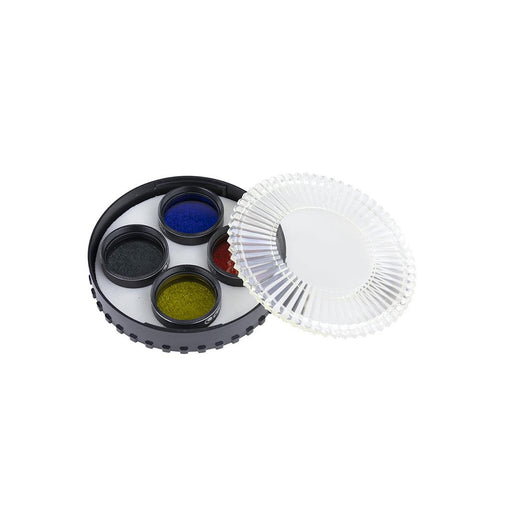
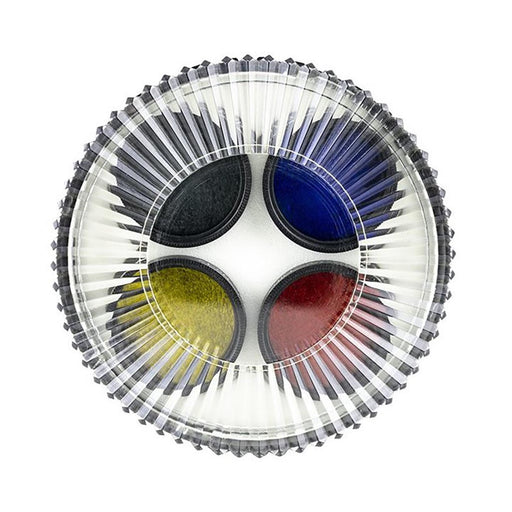
Celestron Lunar and Planetary Filter Set - 1.25"
CEL-94119-10
Four essential 1.25" planetary filters: #12 Deep Yellow, #21 Orange, #80A Blue, and ND-96-0.3 Enhances specific details on the Moon, Mars, Jupiter...
View full details
Original price
CA$76.00
-
Original price
CA$76.00
Original price
CA$76.00
CA$76.00
-
CA$76.00
Current price
CA$76.00
Original price
CA$18.00
-
Original price
CA$18.00
Original price
CA$18.00
CA$18.00
-
CA$18.00
Current price
CA$18.00
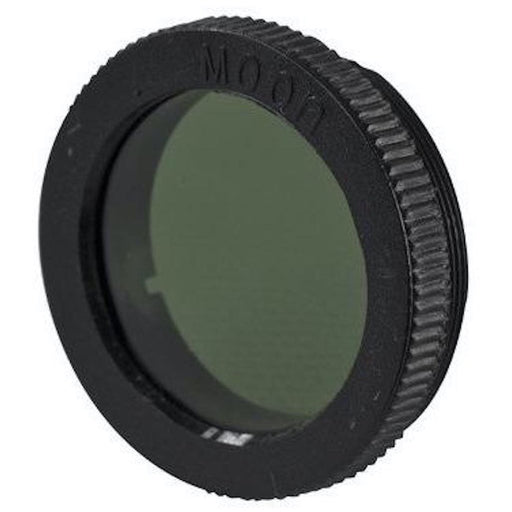
Celestron Moon Filter - 1.25"
CEL-94119-A
Reduces overwhelming brightness and glare from the Moon Enhances contrast to reveal finer surface details Threads directly onto most standard 1.25...
View full details
Original price
CA$18.00
-
Original price
CA$18.00
Original price
CA$18.00
CA$18.00
-
CA$18.00
Current price
CA$18.00
Original price
CA$83.00
-
Original price
CA$83.00
Original price
CA$83.00
CA$83.00
-
CA$83.00
Current price
CA$83.00
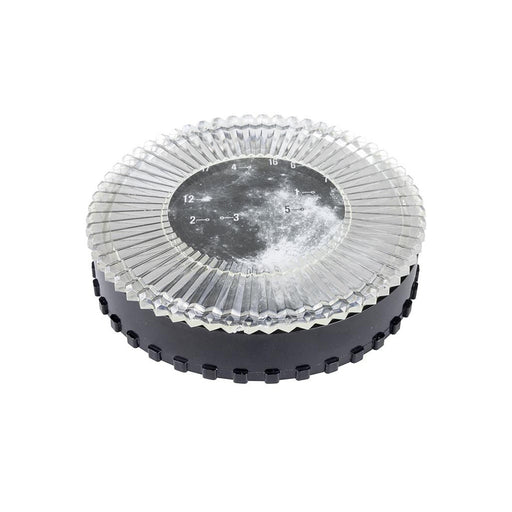
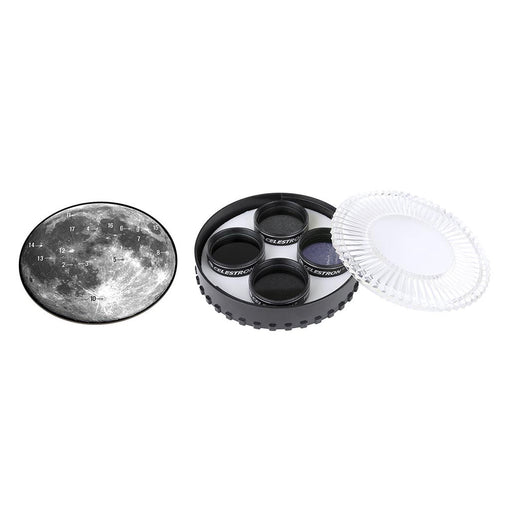
Celestron Moon Filter Set - 1.25”
CEL-94315
Four essential 1.25” lunar filters in one kit Three Neutral Density (ND) filters reduce brightness with 13%, 25%, and 50% transmission Moon & ...
View full details
Original price
CA$83.00
-
Original price
CA$83.00
Original price
CA$83.00
CA$83.00
-
CA$83.00
Current price
CA$83.00
Original price
CA$28.00
-
Original price
CA$28.00
Original price
CA$28.00
CA$28.00
-
CA$28.00
Current price
CA$28.00
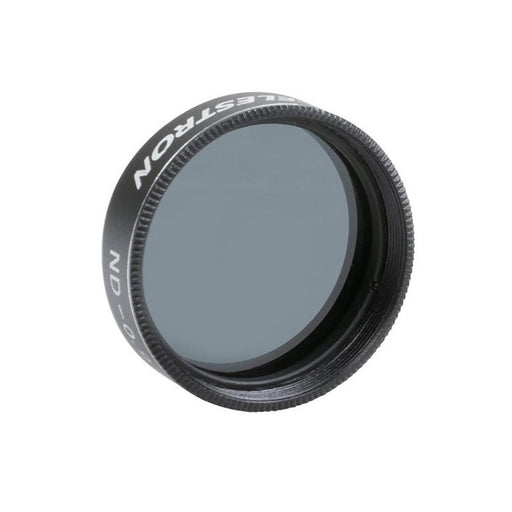
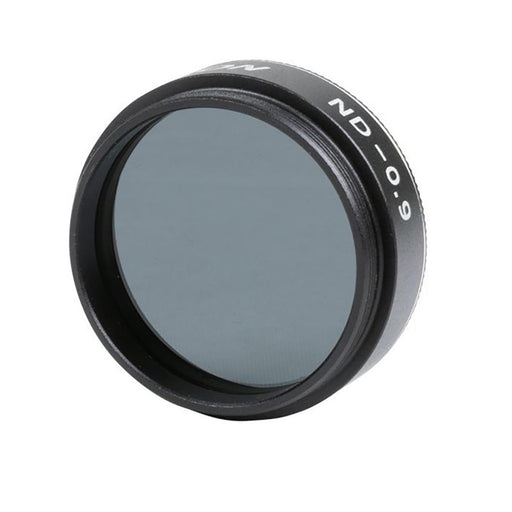
Celestron Neutral Density Moon Filter - 1.25"
CEL-94105
Reduces overwhelming brightness from the Moon and bright planets Transmits only 13% of incoming light for comfortable viewing Fits all standard 1....
View full details
Original price
CA$28.00
-
Original price
CA$28.00
Original price
CA$28.00
CA$28.00
-
CA$28.00
Current price
CA$28.00
Original price
CA$132.00
-
Original price
CA$132.00
Original price
CA$132.00
CA$132.00
-
CA$132.00
Current price
CA$132.00
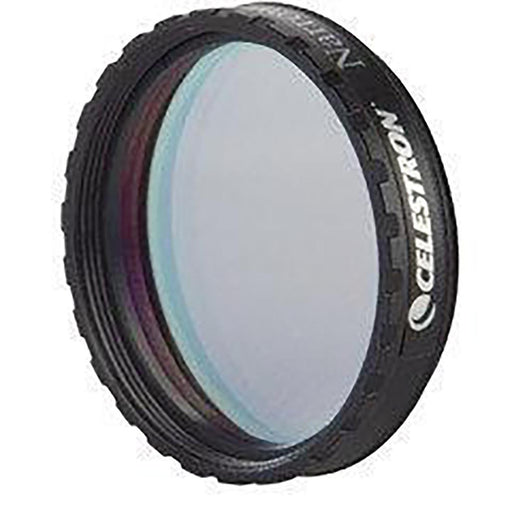
Celestron Oxygen III Narrowband Filter - 1.25 in
CEL-93623
Isolates doubly-ionized oxygen lines (496nm and 501nm) Provides extreme contrast for planetary and emission nebulae Blocks the entire visual spect...
View full details
Original price
CA$132.00
-
Original price
CA$132.00
Original price
CA$132.00
CA$132.00
-
CA$132.00
Current price
CA$132.00
Original price
CA$174.00
-
Original price
CA$174.00
Original price
CA$174.00
CA$174.00
-
CA$174.00
Current price
CA$174.00
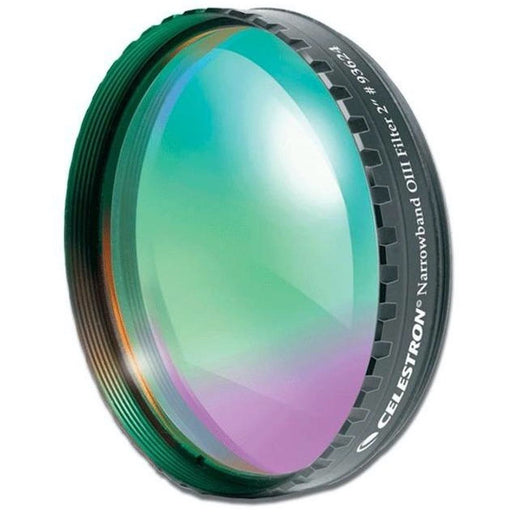
Celestron Oxygen III Narrowband Filter - 2 in
CEL-93624
Isolates the 496nm and 501nm Oxygen III wavelengths Blocks the entire visual spectrum from 400nm to 700nm Ultra-hard, vacuum-deposited coatings pr...
View full details
Original price
CA$174.00
-
Original price
CA$174.00
Original price
CA$174.00
CA$174.00
-
CA$174.00
Current price
CA$174.00
Original price
CA$60.00
-
Original price
CA$60.00
Original price
CA$60.00
CA$60.00
-
CA$60.00
Current price
CA$60.00
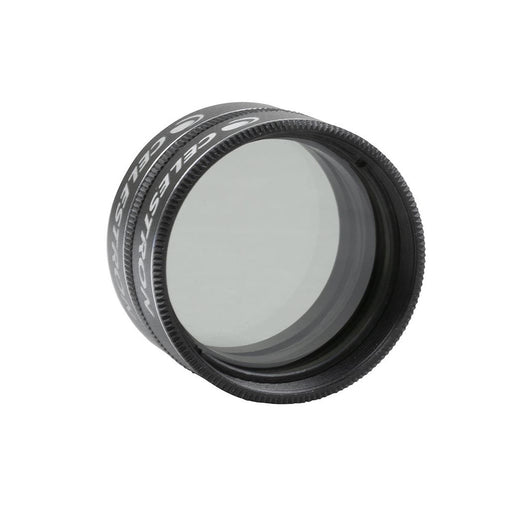
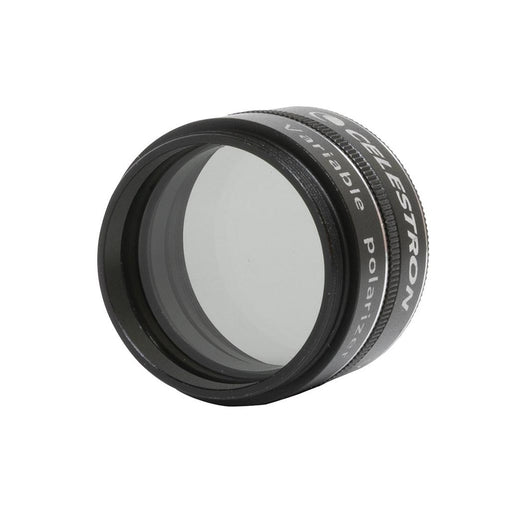
Celestron Variable Polarizing Filter - 1.25”
CEL-94107
Adjustable light transmission from 1% to 40% Standard 1.25” filter format fits most eyepieces Reduces brightness without altering an object's natu...
View full details
Original price
CA$60.00
-
Original price
CA$60.00
Original price
CA$60.00
CA$60.00
-
CA$60.00
Current price
CA$60.00
Original price
CA$385.00
-
Original price
CA$1,106.00
Original price
CA$385.00
-
CA$1,106.00
CA$385.00
-
CA$1,106.00
Current price
CA$385.00
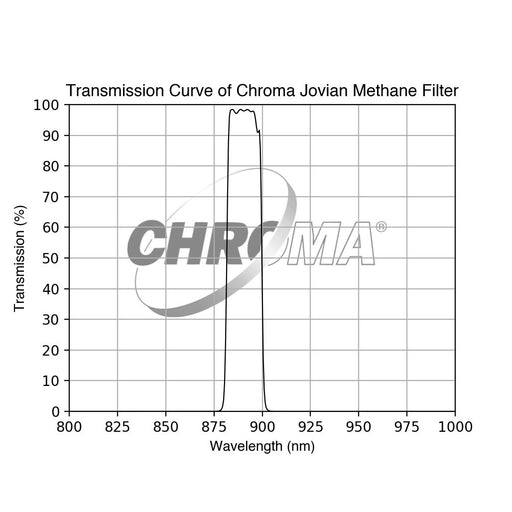
Chroma Jovian Methane Filter
Options available
Methane absorption band filter. This filter enhances contrast when imaging objects containing significant levels of methane. Methane-rich component...
View full details
Original price
CA$385.00
-
Original price
CA$1,106.00
Original price
CA$385.00
-
CA$1,106.00
CA$385.00
-
CA$1,106.00
Current price
CA$385.00

Original price
CA$48.00
-
Original price
CA$48.00
Original price
CA$48.00
CA$48.00
-
CA$48.00
Current price
CA$48.00
David Astro Planetary Color Filter Kit with Case - 1.25"
DAV-CF-1.25
Filter No.12 Filter No.21 Filter No.23A Filter No.56 Filter No.82 Moon & Sky filter
Original price
CA$48.00
-
Original price
CA$48.00
Original price
CA$48.00
CA$48.00
-
CA$48.00
Current price
CA$48.00
Sold out

Original price
CA$28.00
-
Original price
CA$28.00
Original price
CA$28.00
CA$28.00
-
CA$28.00
Current price
CA$28.00
David Astro Variable Polarizing Filter - 1.25"
DAV-VPOL-1.25
Only 3 left!
The Variable Polarizing Filter is an essential tool for astronomical observing, designed to enhance your viewing experience by reducing glare and c...
View full details
Original price
CA$28.00
-
Original price
CA$28.00
Original price
CA$28.00
CA$28.00
-
CA$28.00
Current price
CA$28.00