
Reflectors
No design delivers more aperture for the money than a Newtonian reflector. A mirror is cheaper to make well than a lens, has no chromatic aberration whatsoever, and scales to sizes that would be impossible in glass — which is why almost every large amateur telescope is a reflector. David Astro carries reflectors in Canada, from fast imaging astrographs to large visual Newtonians, stocked in Canada and shipped worldwide.
The trade is collimation and a coma corrector. Both are manageable, and we will be straightforward about what each telescope actually needs.

Original price
CA$1,538.00
-
Original price
CA$1,538.00
Original price
CA$1,538.00
CA$1,538.00
-
CA$1,538.00
Current price
CA$1,538.00
Askar N160 f/3.6 Newtonian
ASK-N160
1 in stock
160mm Aperture Parabolic Mirror f/3.4 Focal Ratio with Included 0.95x Corrector 544mm Corrected Focal Length Carbon Fiber Tube Construction 3.97kg...
View full details
Original price
CA$1,538.00
-
Original price
CA$1,538.00
Original price
CA$1,538.00
CA$1,538.00
-
CA$1,538.00
Current price
CA$1,538.00


Original price
CA$667.00
-
Original price
CA$667.00
Original price
CA$667.00
CA$667.00
-
CA$667.00
Current price
CA$667.00
Celestron 114LCM Computerized Telescope
CEL-31150
114mm (4.49") Newtonian Reflector optics 1000mm focal length (f/8.77) Fully computerized Alt-Azimuth mount NexStar+ database with 40,000 celestial...
View full details
Original price
CA$667.00
-
Original price
CA$667.00
Original price
CA$667.00
CA$667.00
-
CA$667.00
Current price
CA$667.00
Original price
CA$1,806.00
-
Original price
CA$1,806.00
Original price
CA$1,806.00
CA$1,806.00
-
CA$1,806.00
Current price
CA$1,806.00
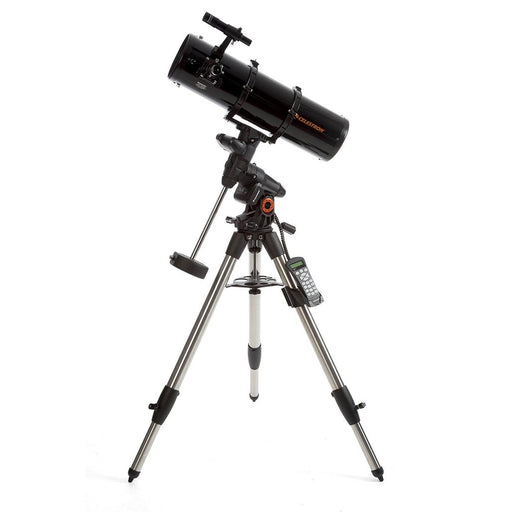
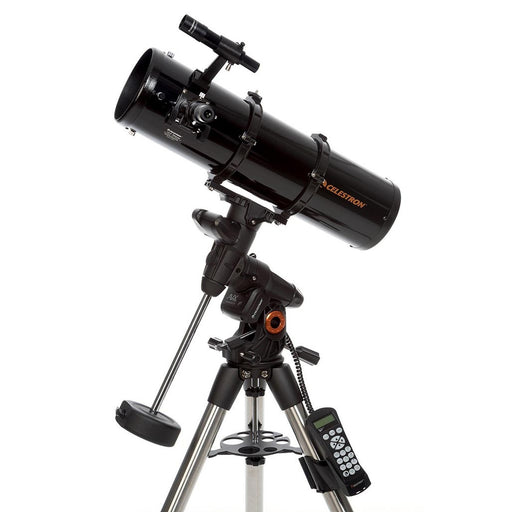
Celestron Advanced VX 6" Newtonian Telescope
CEL-32054
150mm (6") Newtonian Reflector 750mm Focal Length (f/5) Advanced VX Computerized Equatorial Mount 30 lb Instrument Load Capacity NexStar+ GoTo wit...
View full details
Original price
CA$1,806.00
-
Original price
CA$1,806.00
Original price
CA$1,806.00
CA$1,806.00
-
CA$1,806.00
Current price
CA$1,806.00
Original price
CA$2,223.00
-
Original price
CA$2,223.00
Original price
CA$2,223.00
CA$2,223.00
-
CA$2,223.00
Current price
CA$2,223.00
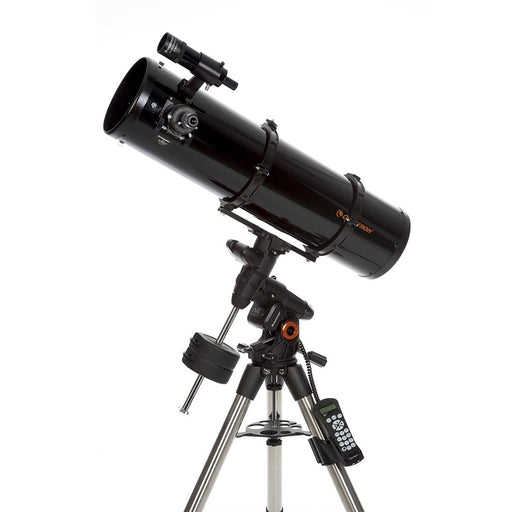
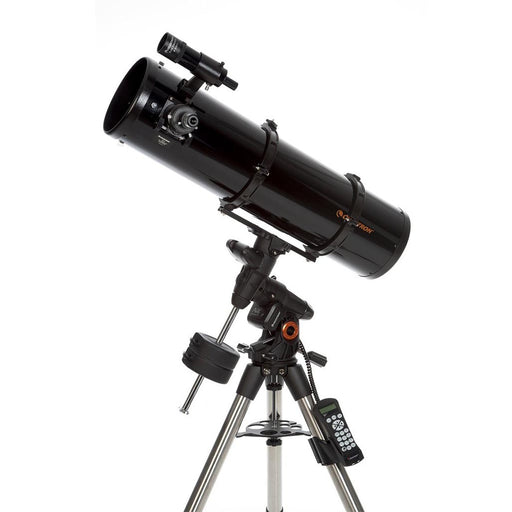
Celestron Advanced VX 8" Newtonian Telescope
CEL-32062
200mm (7.87") Newtonian Reflector 1000mm Focal Length, f/5 Focal Ratio Advanced VX Computerized GoTo Equatorial Mount 30 lb Instrument Payload Cap...
View full details
Original price
CA$2,223.00
-
Original price
CA$2,223.00
Original price
CA$2,223.00
CA$2,223.00
-
CA$2,223.00
Current price
CA$2,223.00
Original price
CA$834.00
-
Original price
CA$834.00
Original price
CA$834.00
CA$834.00
-
CA$834.00
Current price
CA$834.00
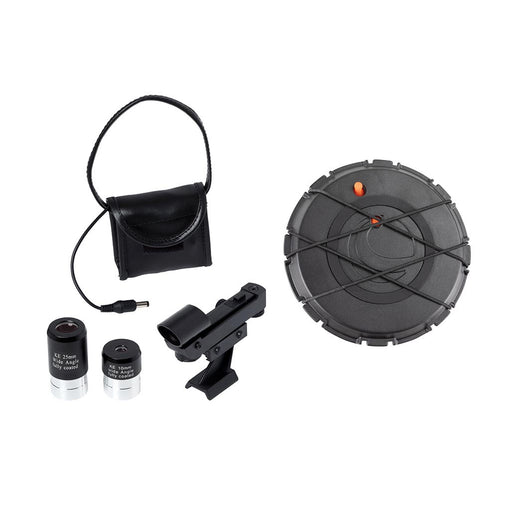
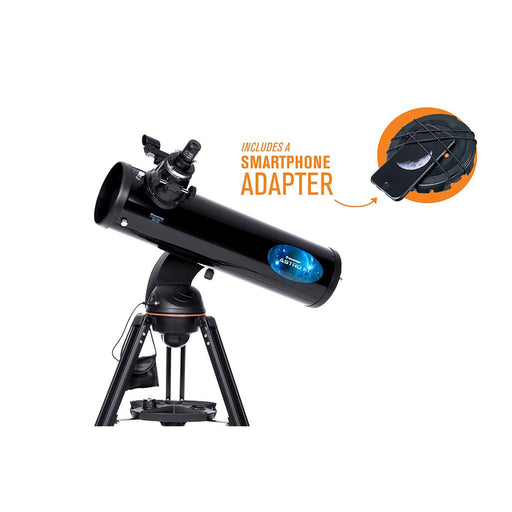
Celestron Astro Fi 130mm Newtonian Telescope
CEL-22203
130mm (5.19") Newtonian Reflector 650mm Focal Length, f/5 Focal Ratio Integrated WiFi for Smartphone/Tablet Control SkyAlign Technology for Fast, ...
View full details
Original price
CA$834.00
-
Original price
CA$834.00
Original price
CA$834.00
CA$834.00
-
CA$834.00
Current price
CA$834.00
Original price
CA$459.00
-
Original price
CA$459.00
Original price
CA$459.00
CA$459.00
-
CA$459.00
Current price
CA$459.00
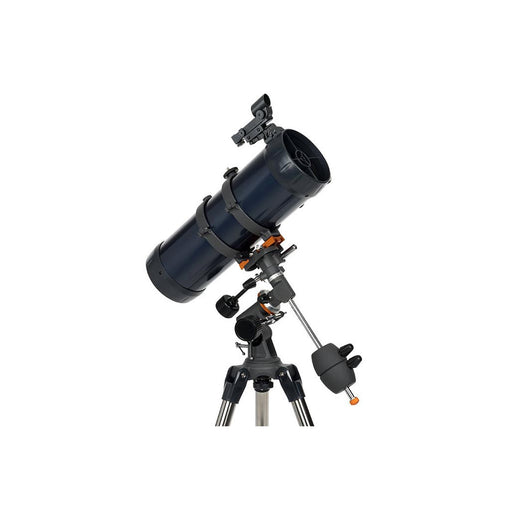
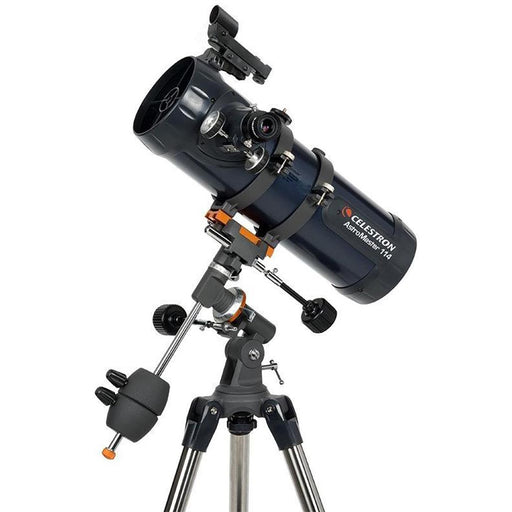
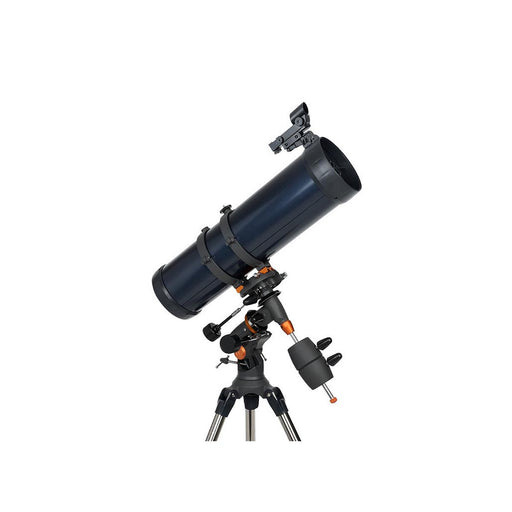
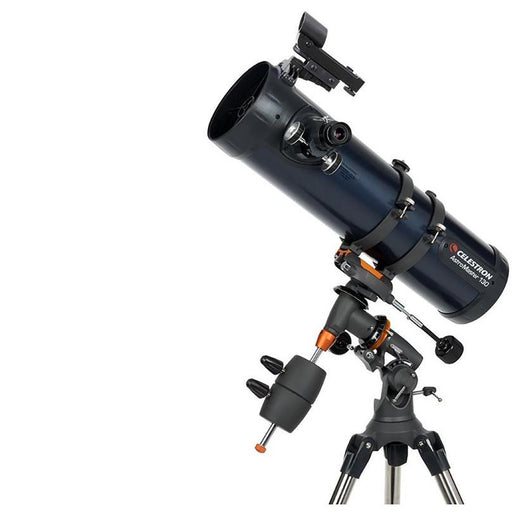
Celestron AstroMaster 114EQ Telescope
CEL-31042
114mm (4.48") Newtonian Reflector 1000mm focal length (f/8.77) CG-2 Equatorial Mount with manual slow-motion controls Includes 20mm (50x) and 10mm...
View full details
Original price
CA$459.00
-
Original price
CA$459.00
Original price
CA$459.00
CA$459.00
-
CA$459.00
Current price
CA$459.00
Original price
CA$500.00
-
Original price
CA$500.00
Original price
CA$500.00
CA$500.00
-
CA$500.00
Current price
CA$500.00
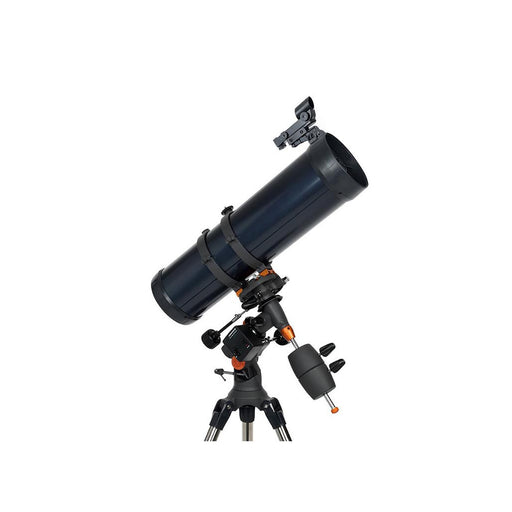
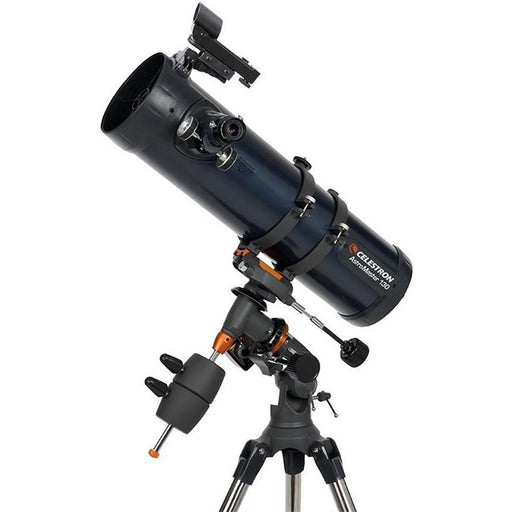
Celestron AstroMaster 130EQ Telescope
CEL-31045
1 in stock
130mm (5.11") Newtonian Reflector Optics 650mm Focal Length and f/5 Focal Ratio CG-3 Manual German Equatorial Mount Gathers 345x More Light Than t...
View full details
Original price
CA$500.00
-
Original price
CA$500.00
Original price
CA$500.00
CA$500.00
-
CA$500.00
Current price
CA$500.00
Original price
CA$542.00
-
Original price
CA$542.00
Original price
CA$542.00
CA$542.00
-
CA$542.00
Current price
CA$542.00
Celestron AstroMaster 130EQ-MD (Motor Drive) Telescope
CEL-31051
130mm (5.11") Newtonian Reflector 650mm Focal Length, f/5 Focal Ratio CG-3 Equatorial Mount Included Clock Drive for Automatic Tracking 345x Light...
View full details
Original price
CA$542.00
-
Original price
CA$542.00
Original price
CA$542.00
CA$542.00
-
CA$542.00
Current price
CA$542.00
Original price
CA$188.00
-
Original price
CA$188.00
Original price
CA$188.00
CA$188.00
-
CA$188.00
Current price
CA$188.00
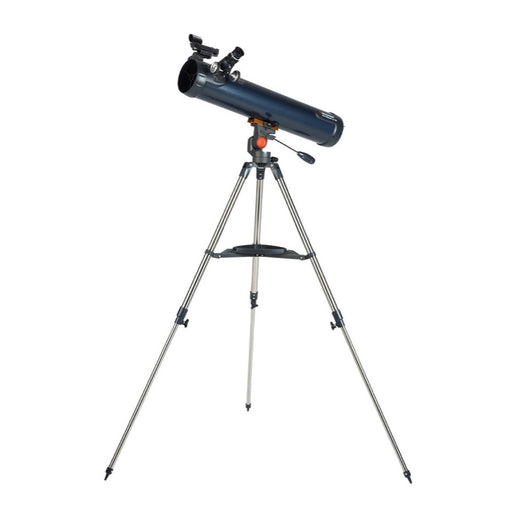
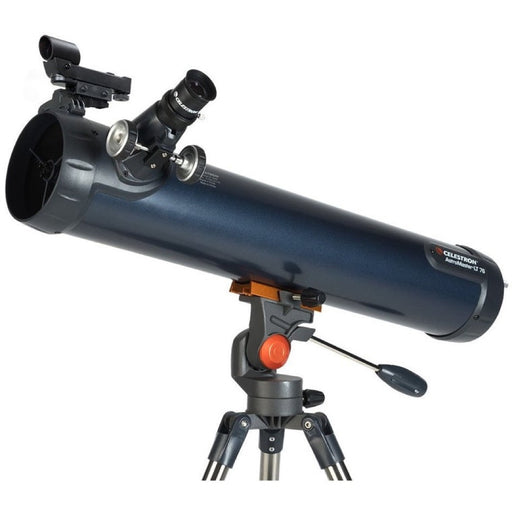
Celestron AstroMaster LT 76AZ Telescope
CEL-31036
76mm (2.99") Newtonian Reflector Optics 700mm Focal Length (f/9.21) Manual Alt-Azimuth Mount with Steel Tripod Includes Two Eyepieces for 35x &...
View full details
Original price
CA$188.00
-
Original price
CA$188.00
Original price
CA$188.00
CA$188.00
-
CA$188.00
Current price
CA$188.00
Original price
CA$292.00
-
Original price
CA$292.00
Original price
CA$292.00
CA$292.00
-
CA$292.00
Current price
CA$292.00
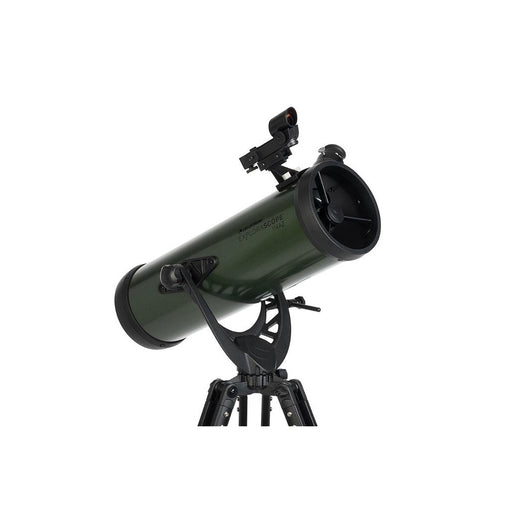
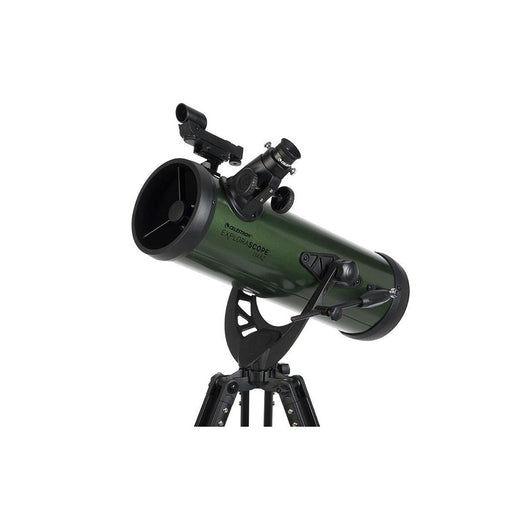
Celestron ExploraScope 114AZ Telescope
CEL-22103
114mm (4.5") Newtonian Reflector 1000mm Focal Length (f/9) 265x Light Gathering Power Manual Alt-Azimuth Mount with Clutch Total Kit Weight of 6.7...
View full details
Original price
CA$292.00
-
Original price
CA$292.00
Original price
CA$292.00
CA$292.00
-
CA$292.00
Current price
CA$292.00
Original price
CA$104.00
-
Original price
CA$104.00
Original price
CA$104.00
CA$104.00
-
CA$104.00
Current price
CA$104.00
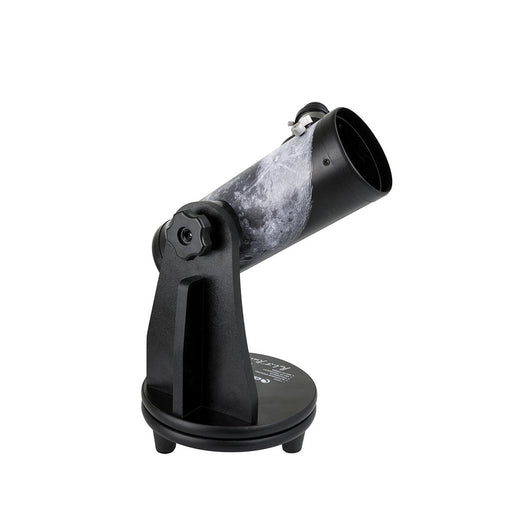
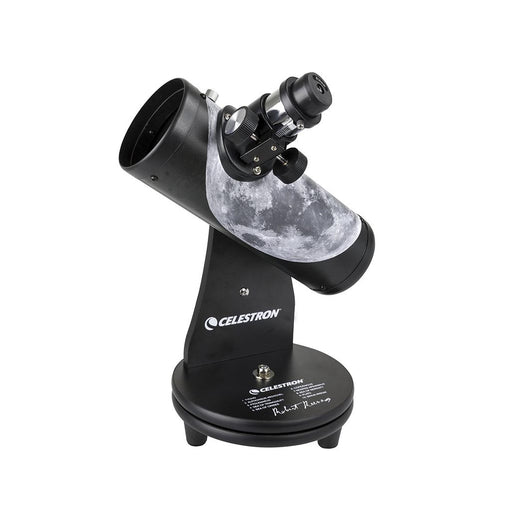
Celestron FirstScope Signature Series Moon by Robert Reeves Telescope
CEL-22016
76mm (2.99") Newtonian Reflector Fast f/3.95 Focal Ratio for Wide Views Includes 15x and 75x Eyepieces Ultra-Portable 4.3 lb Tabletop Dobsonian Mo...
View full details
Original price
CA$104.00
-
Original price
CA$104.00
Original price
CA$104.00
CA$104.00
-
CA$104.00
Current price
CA$104.00
Original price
CA$973.00
-
Original price
CA$973.00
Original price
CA$973.00
CA$973.00
-
CA$973.00
Current price
CA$973.00
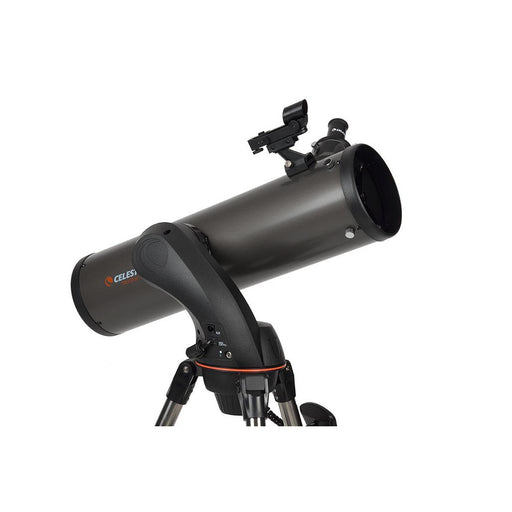
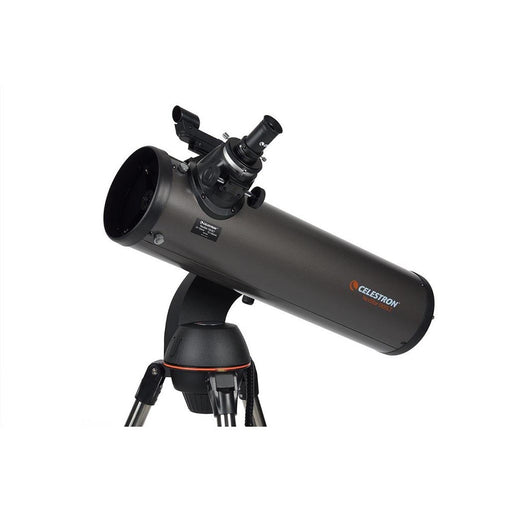
Celestron NexStar 130SLT Computerized Telescope
CEL-31145
130mm (5.12") Newtonian Reflector 650mm Focal Length, f/5 Focal Ratio Computerized GoTo Mount with 40,000 Object Database SkyAlign Technology for ...
View full details
Original price
CA$973.00
-
Original price
CA$973.00
Original price
CA$973.00
CA$973.00
-
CA$973.00
Current price
CA$973.00
Original price
CA$1,029.00
-
Original price
CA$1,029.00
Original price
CA$1,029.00
CA$1,029.00
-
CA$1,029.00
Current price
CA$1,029.00
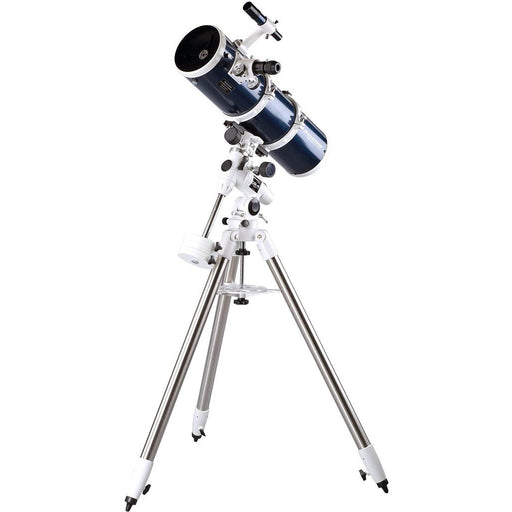
Celestron Omni XLT 150 Telescope
CEL-31057
150mm (5.91") Newtonian Reflector 750mm Focal Length (f/5) Omni CG-4 German Equatorial Mount StarBright XLT Optical Coatings 6x30 Optical Findersc...
View full details
Original price
CA$1,029.00
-
Original price
CA$1,029.00
Original price
CA$1,029.00
CA$1,029.00
-
CA$1,029.00
Current price
CA$1,029.00
Original price
CA$278.00
-
Original price
CA$278.00
Original price
CA$278.00
CA$278.00
-
CA$278.00
Current price
CA$278.00
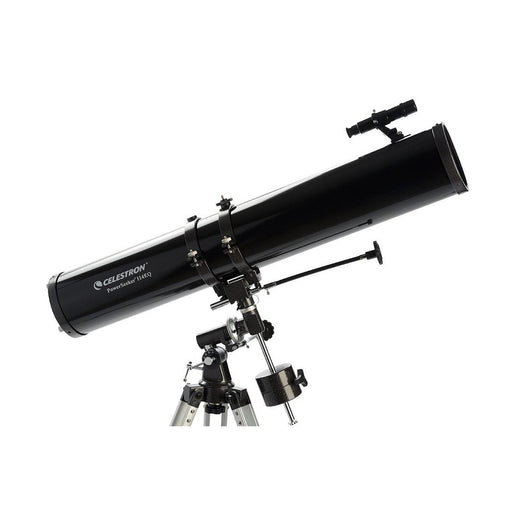
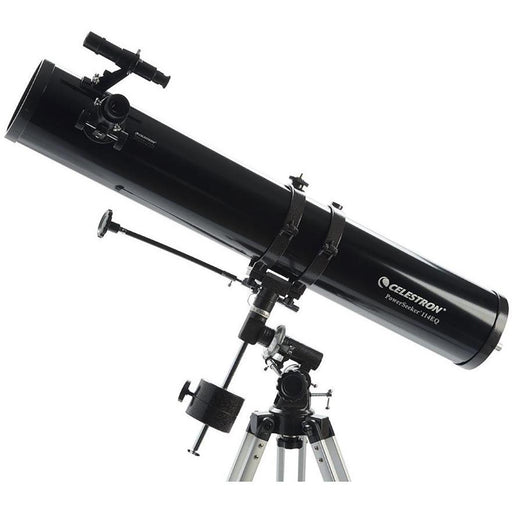
Celestron PowerSeeker 114EQ Telescope
CEL-21045
114mm (4.49") Newtonian Reflector 900mm focal length (f/7.89) Manual German Equatorial mount with slow-motion controls Gathers 265x more light tha...
View full details
Original price
CA$278.00
-
Original price
CA$278.00
Original price
CA$278.00
CA$278.00
-
CA$278.00
Current price
CA$278.00
Original price
CA$320.00
-
Original price
CA$320.00
Original price
CA$320.00
CA$320.00
-
CA$320.00
Current price
CA$320.00
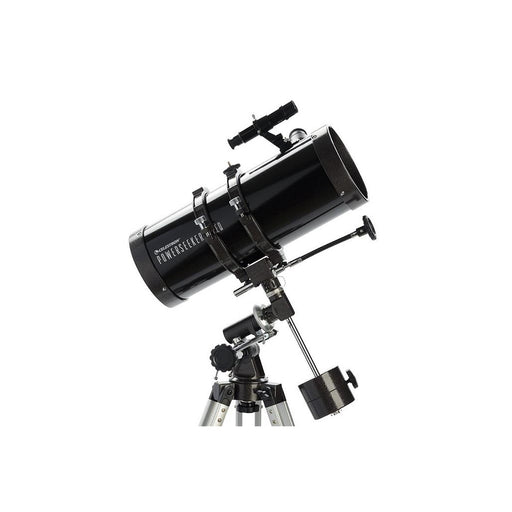
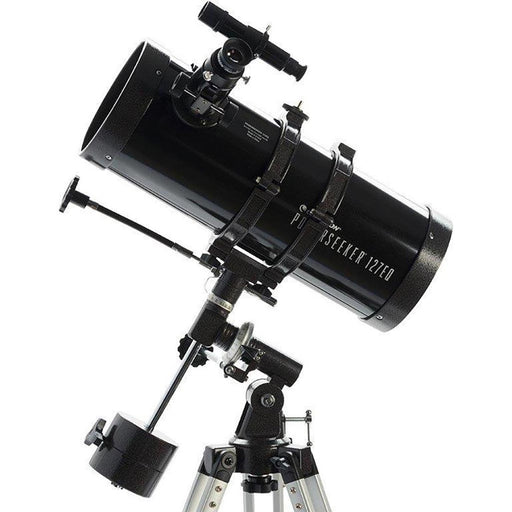
Celestron PowerSeeker 127EQ Telescope
CEL-21049
4 in stock
127mm (5") Newtonian Reflector 1000mm Focal Length f/7.87 Focal Ratio Manual German Equatorial Mount Includes 50x and 250x Eyepieces 3x Barlow Len...
View full details
Original price
CA$320.00
-
Original price
CA$320.00
Original price
CA$320.00
CA$320.00
-
CA$320.00
Current price
CA$320.00
Original price
CA$2,223.00
-
Original price
CA$2,223.00
Original price
CA$2,223.00
CA$2,223.00
-
CA$2,223.00
Current price
CA$2,223.00
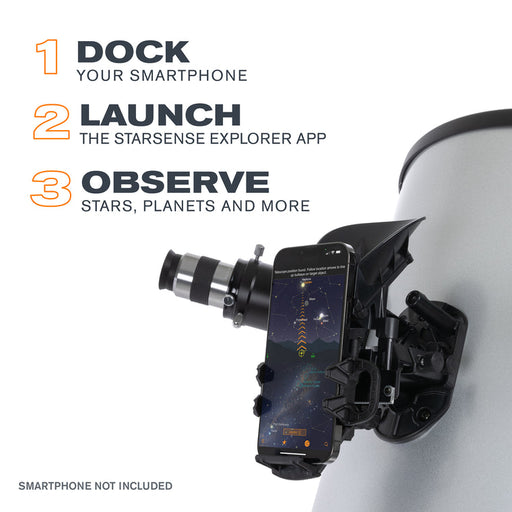
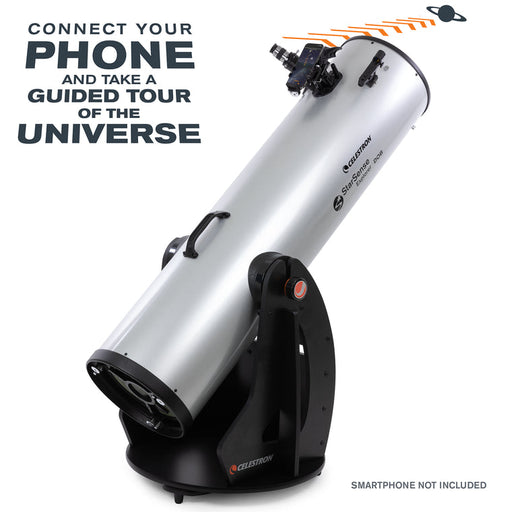
Celestron StarSense Explorer 12" Smartphone App-Enabled Dobsonian Telescope
CEL-22472
1 in stock
305mm (12") Newtonian Reflector Optics 1500mm Focal Length (f/4.9) StarSense Explorer App-Enabled Telescope Guidance Gathers 1895x More Light Than...
View full details
Original price
CA$2,223.00
-
Original price
CA$2,223.00
Original price
CA$2,223.00
CA$2,223.00
-
CA$2,223.00
Current price
CA$2,223.00
Original price
CA$528.00
-
Original price
CA$528.00
Original price
CA$528.00
CA$528.00
-
CA$528.00
Current price
CA$528.00
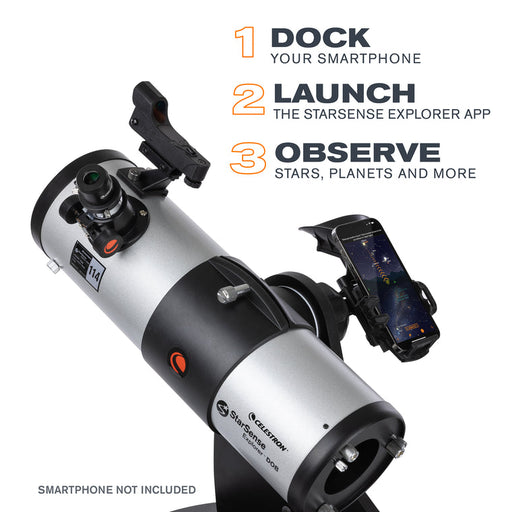
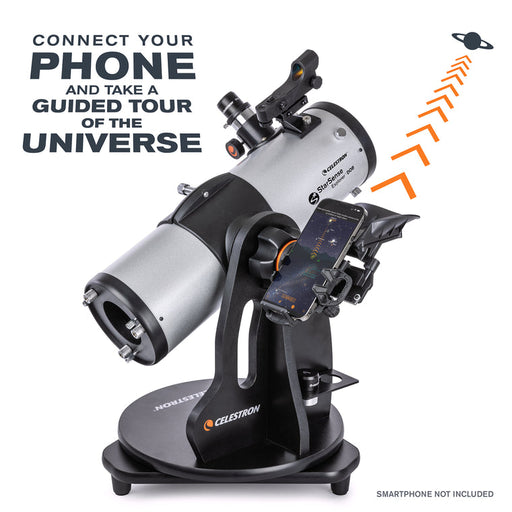
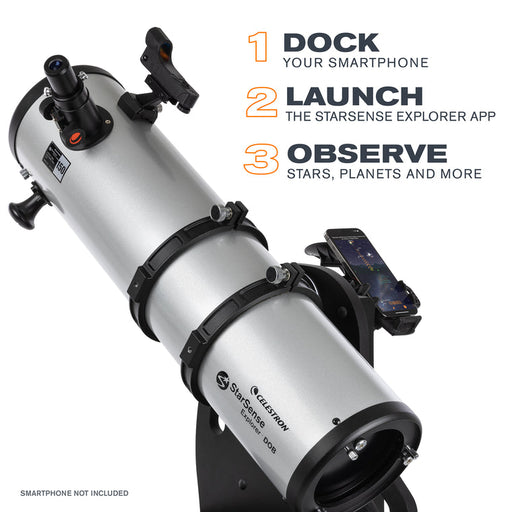
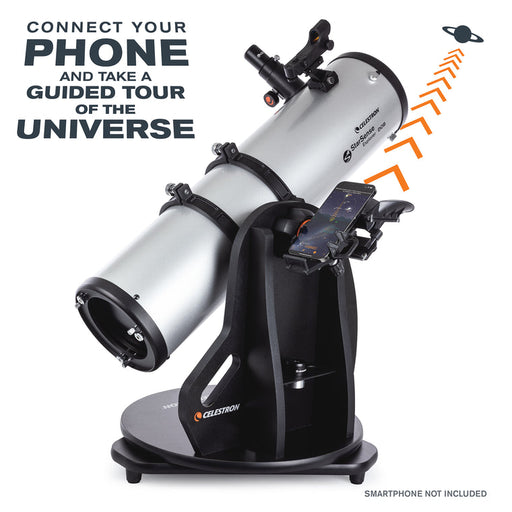
Celestron StarSense Explorer™ 114mm Smartphone App-Enabled Tabletop Dobsonian Telescope
CEL-22480
1 in stock
114mm (4.48") Newtonian Reflector with Parabolic Mirror Fast f/4 focal ratio for wide, bright fields of view Uses patented StarSense Explorer tech...
View full details
Original price
CA$528.00
-
Original price
CA$528.00
Original price
CA$528.00
CA$528.00
-
CA$528.00
Current price
CA$528.00
Original price
CA$667.00
-
Original price
CA$667.00
Original price
CA$667.00
CA$667.00
-
CA$667.00
Current price
CA$667.00
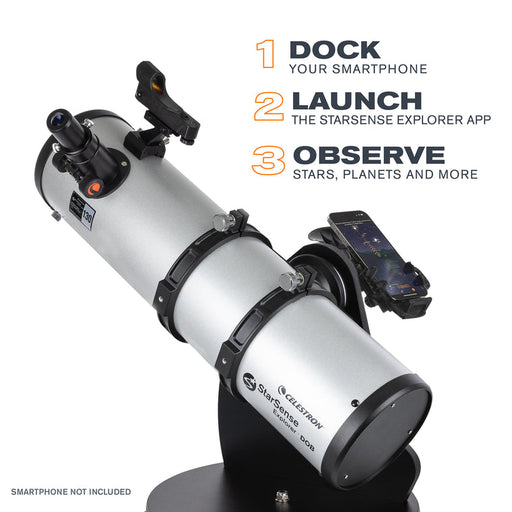
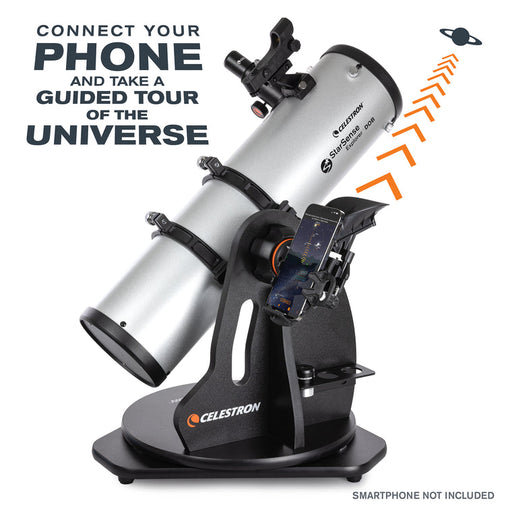
Celestron StarSense Explorer™ 130mm Smartphone App-Enabled Tabletop Dobsonian Telescope
CEL-22481
130mm (5.12") Newtonian Reflector with Parabolic Primary Mirror StarSense Explorer app uses your smartphone for real-time object locating 650mm fo...
View full details
Original price
CA$667.00
-
Original price
CA$667.00
Original price
CA$667.00
CA$667.00
-
CA$667.00
Current price
CA$667.00
Original price
CA$834.00
-
Original price
CA$834.00
Original price
CA$834.00
CA$834.00
-
CA$834.00
Current price
CA$834.00
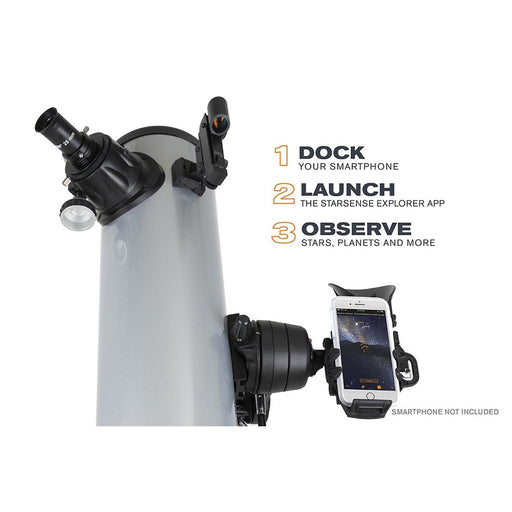
Celestron StarSense Explorer™ 150mm Smartphone App-Enabled Tabletop Dobsonian Telescope
CEL-22482
150mm (5.9") Newtonian Reflector Optics 750mm Focal Length (f/5) StarSense Explorer App-Enabled Navigation 30x & 75x Magnification with Includ...
View full details
Original price
CA$834.00
-
Original price
CA$834.00
Original price
CA$834.00
CA$834.00
-
CA$834.00
Current price
CA$834.00
Original price
CA$695.00
-
Original price
CA$695.00
Original price
CA$695.00
CA$695.00
-
CA$695.00
Current price
CA$695.00
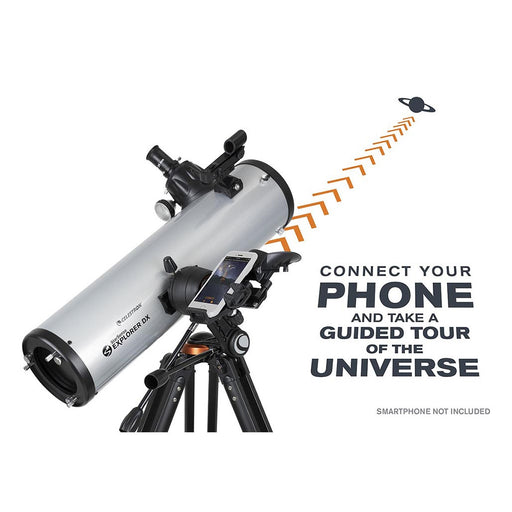
Celestron StarSense Explorer™ DX 130AZ Smartphone App-Enabled Newtonian Reflector Telescope
CEL-22461
130mm (5.11") Newtonian Reflector with Parabolic Primary Mirror StarSense Explorer app uses your smartphone for real-time sky recognition 650mm fo...
View full details
Original price
CA$695.00
-
Original price
CA$695.00
Original price
CA$695.00
CA$695.00
-
CA$695.00
Current price
CA$695.00
Original price
CA$361.00
-
Original price
CA$361.00
Original price
CA$361.00
CA$361.00
-
CA$361.00
Current price
CA$361.00
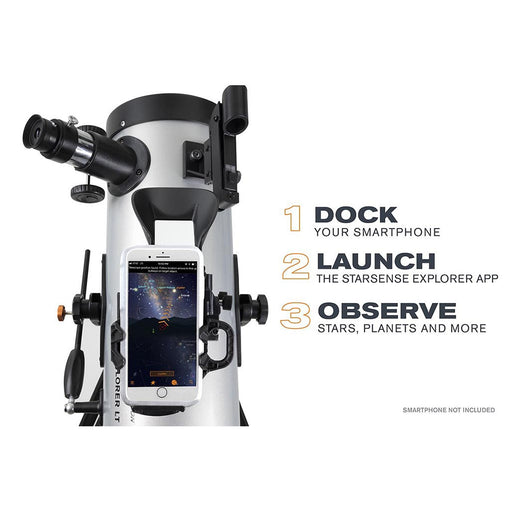
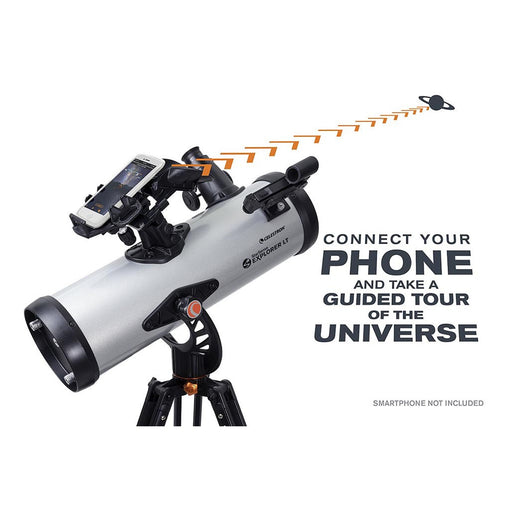
Celestron StarSense Explorer™ LT 114AZ Smartphone App-Enabled Newtonian Reflector Telescope
CEL-22452
114mm (4.5") Newtonian Reflector optics 1000mm focal length (f/9) for high-contrast planetary views Patented StarSense Explorer app guides you to ...
View full details
Original price
CA$361.00
-
Original price
CA$361.00
Original price
CA$361.00
CA$361.00
-
CA$361.00
Current price
CA$361.00
Original price
CA$1,667.00
-
Original price
CA$1,667.00
Original price
CA$1,667.00
CA$1,667.00
-
CA$1,667.00
Current price
CA$1,667.00
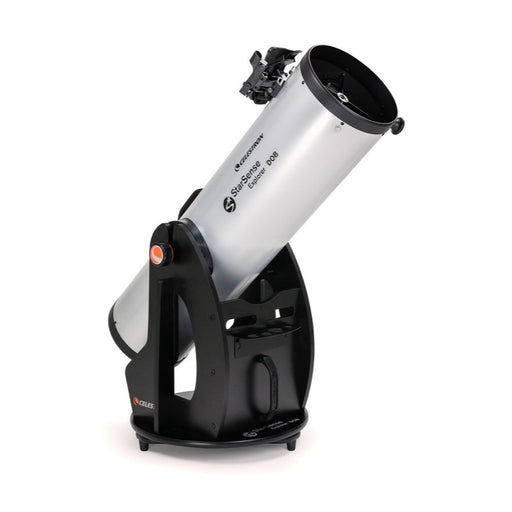
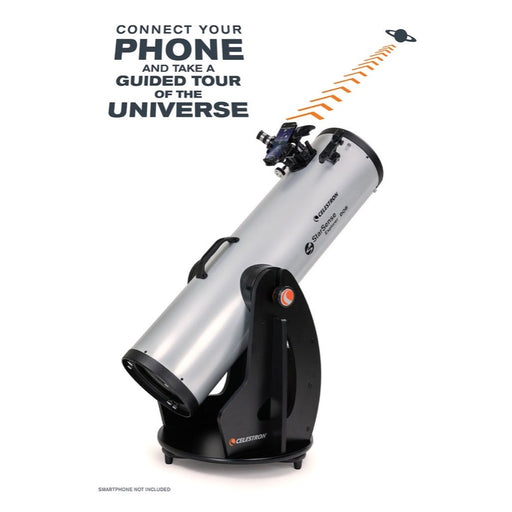
Celestron StarSense Explorer™ Smartphone App-Enabled Dobsonian Telescope - 10"
CEL-22471
254mm (10") Newtonian Reflector Optics 1200mm Focal Length (f/4.7) StarSense Explorer Smartphone-Enabled Navigation Altazimuth Dobsonian Base Gath...
View full details
Original price
CA$1,667.00
-
Original price
CA$1,667.00
Original price
CA$1,667.00
CA$1,667.00
-
CA$1,667.00
Current price
CA$1,667.00
Original price
CA$1,222.00
-
Original price
CA$1,222.00
Original price
CA$1,222.00
CA$1,222.00
-
CA$1,222.00
Current price
CA$1,222.00
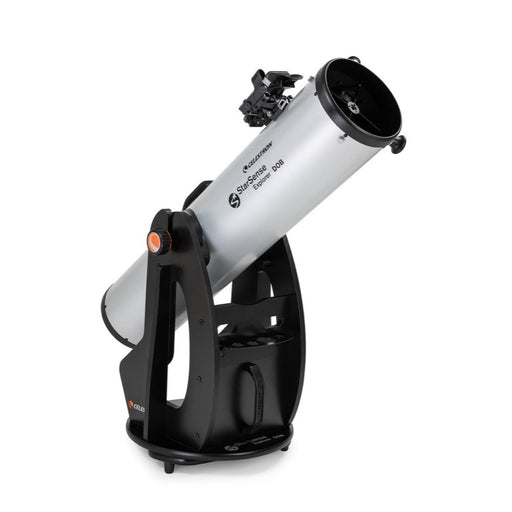
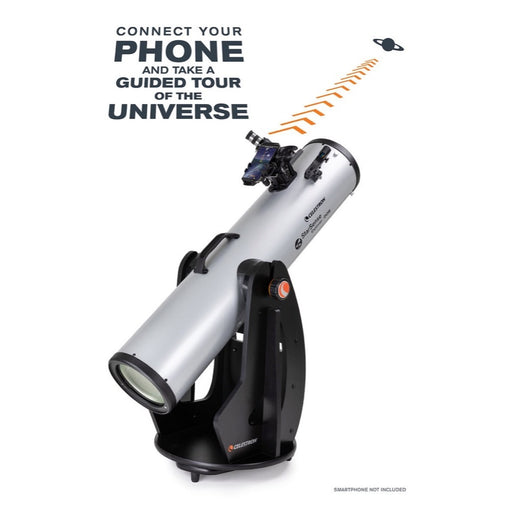
Celestron StarSense Explorer™ Smartphone App-Enabled Dobsonian Telescope - 8"
CEL-22470
203mm (8") Newtonian Reflector Optics 1200mm Focal Length (f/5.9) Patented StarSense Explorer Sky Recognition Technology 841x Light Gathering Powe...
View full details
Original price
CA$1,222.00
-
Original price
CA$1,222.00
Original price
CA$1,222.00
CA$1,222.00
-
CA$1,222.00
Current price
CA$1,222.00


Original price
CA$1,260.00
-
Original price
CA$1,260.00
Original price
CA$1,260.00
CA$1,260.00
-
CA$1,260.00
Current price
CA$1,260.00
Explore Scientific 10-inch f/5 Hybrid Truss Tube Dobsonian Telescope
ES-DOB1045C
254mm (10-inch) Aperture f/5 Newtonian Optical Design Hybrid Truss Tube for Portability Includes 25mm and 10mm Plössl Eyepieces Red-Dot Finder and...
View full details
Original price
CA$1,260.00
-
Original price
CA$1,260.00
Original price
CA$1,260.00
CA$1,260.00
-
CA$1,260.00
Current price
CA$1,260.00