
Binoviewers
Observers who try a binoviewer on the Moon rarely go back. Using both eyes recruits more of your visual processing, and the perceived improvement in detail and comfort on lunar and planetary targets is larger than the equipment alone would suggest. David Astro carries binoviewers in Canada, in stock here and shipped without customs delays for Canadian buyers.
The complication is optical path length, which many refractors cannot accommodate without help. Tell us your telescope and we will confirm whether it will reach focus.
Original price
CA$317.00
-
Original price
CA$317.00
Original price
CA$317.00
CA$317.00
-
CA$317.00
Current price
CA$317.00
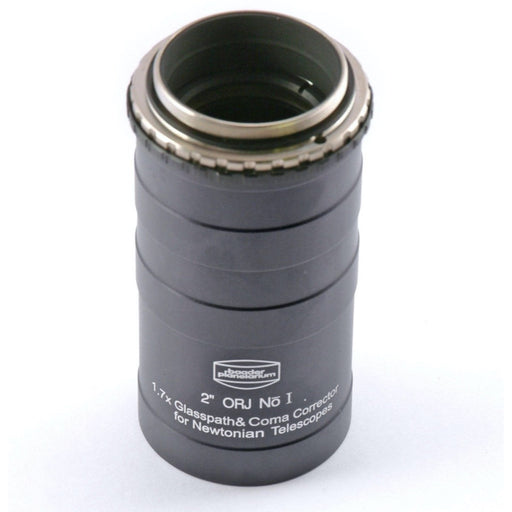
Baader 2" Newton 1.7X Glasspath and Coma Corrector
BAA-2456301
2" Glasspathcorrector®Factor 1.7 for Newtons - at full aperture with integrated Coma-Corrector. Includes T-2 change ring (#2456320) for adaptation...
View full details
Original price
CA$317.00
-
Original price
CA$317.00
Original price
CA$317.00
CA$317.00
-
CA$317.00
Current price
CA$317.00
Original price
CA$322.00
-
Original price
CA$322.00
Original price
CA$322.00
CA$322.00
-
CA$322.00
Current price
CA$322.00
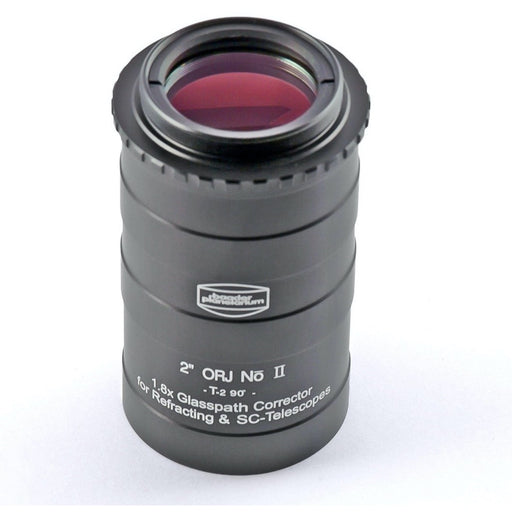
Baader 2" Refractor/SCT 1.8X Glasspath Corrector
BAA-2456305
2" Glasspathcorrector®Factor 1.8 for Refractors and Schmidt Cassegrains - at full aperture. Suitable to insert into the Baader Maxbright and Mark ...
View full details
Original price
CA$322.00
-
Original price
CA$322.00
Original price
CA$322.00
CA$322.00
-
CA$322.00
Current price
CA$322.00
Original price
CA$15.00
-
Original price
CA$15.00
Original price
CA$15.00
CA$15.00
-
CA$15.00
Current price
CA$15.00
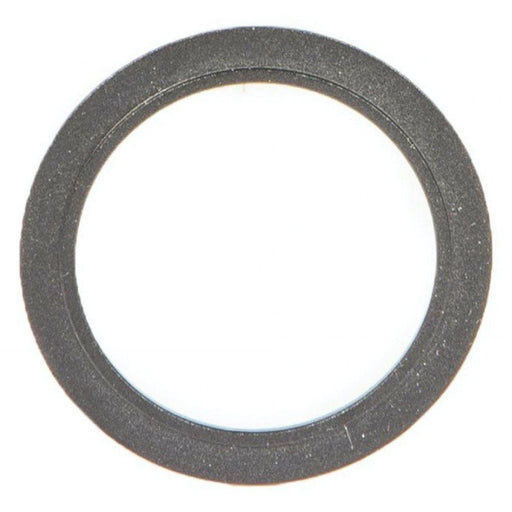
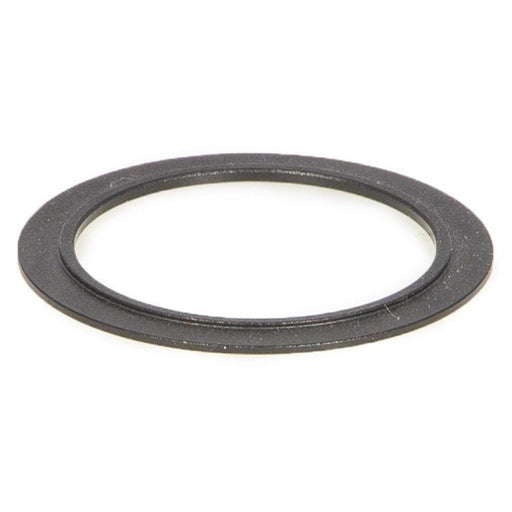
Baader Auxillary-Ring for Adaptation of MaxBright II
BAA-2458272
Creates the shortest possible connection for a MaxBright II Binoviewer Designed for direct attachment to any Baader T-2 star diagonal Prevents uni...
View full details
Original price
CA$15.00
-
Original price
CA$15.00
Original price
CA$15.00
CA$15.00
-
CA$15.00
Current price
CA$15.00

Original price
CA$178.00
-
Original price
CA$193.00
Original price
CA$178.00
-
CA$193.00
CA$178.00
-
CA$193.00
Current price
CA$178.00
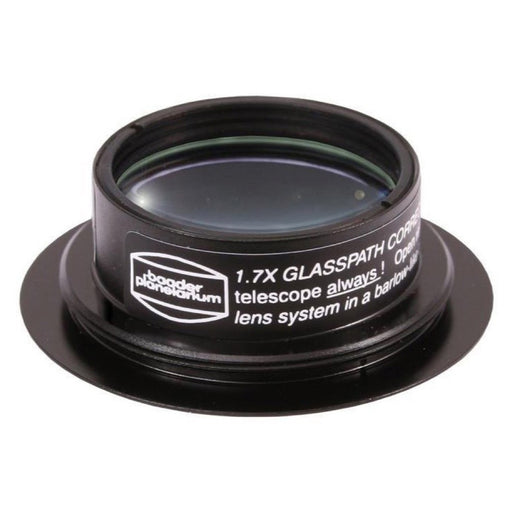
Baader Glasspath Corrector for Maxbright Bino and Mark V
Options available
1 variants in stock
Corrects for insufficient back focus to allow binoviewer use Available in 1.25x, 1.7x, and 2.6x magnification factors Removes prism-induced chroma...
View full details
Original price
CA$178.00
-
Original price
CA$193.00
Original price
CA$178.00
-
CA$193.00
CA$178.00
-
CA$193.00
Current price
CA$178.00
Original price
CA$139.00
-
Original price
CA$139.00
Original price
CA$139.00
CA$139.00
-
CA$139.00
Current price
CA$139.00
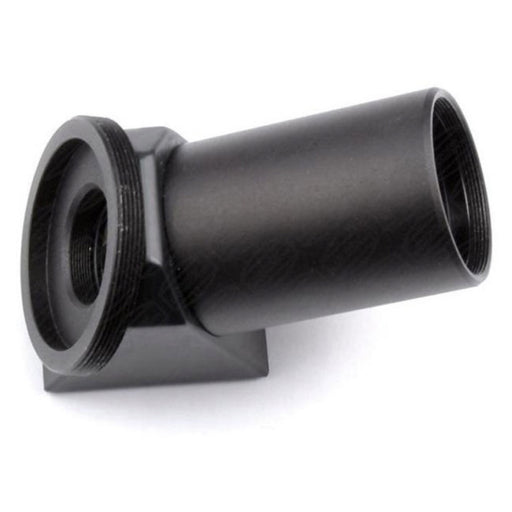
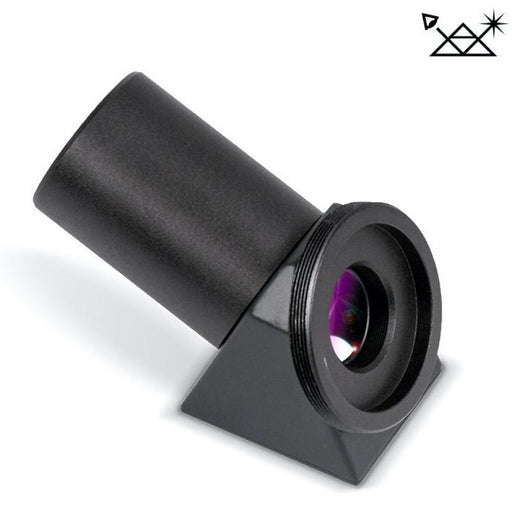
Baader Maxbright Amici Prism 1.25"w/ Integral 2X Glasspath Corrector
BAA-2956155
Provides a fully corrected, erect image for terrestrial viewing Designed for the Baader Maxbright Binoviewer Standard 1.25" barrel format Integrat...
View full details
Original price
CA$139.00
-
Original price
CA$139.00
Original price
CA$139.00
CA$139.00
-
CA$139.00
Current price
CA$139.00


Original price
CA$698.00
-
Original price
CA$859.00
Original price
CA$698.00
-
CA$859.00
CA$698.00
-
CA$859.00
Current price
CA$698.00
Baader MaxBright II Binoviewer Set
Options available
Modular design based on the Baader T-2 thread system Optional Glasspath Correctors provide 1.25x, 1.7x, and 2.6x magnification Accommodates both 1...
View full details
Original price
CA$698.00
-
Original price
CA$859.00
Original price
CA$698.00
-
CA$859.00
CA$698.00
-
CA$859.00
Current price
CA$698.00


Original price
CA$49.00
-
Original price
CA$49.00
Original price
CA$49.00
CA$49.00
-
CA$49.00
Current price
CA$49.00
Baader Planetarium 1.25" Extension Tube for Long Focal Length Eyepieces
BAA-2456325
Enables Use of 30-42mm Eyepieces in Baader Maxbright Binoviewers Solves Image Merging Failures with Long Focal Length Designs Extends Eyepiece Bar...
View full details
Original price
CA$49.00
-
Original price
CA$49.00
Original price
CA$49.00
CA$49.00
-
CA$49.00
Current price
CA$49.00


Original price
CA$316.00
-
Original price
CA$316.00
Original price
CA$316.00
CA$316.00
-
CA$316.00
Current price
CA$316.00
Baader Planetarium Glasspathcorrector 2" / 1.7x for Newtons
BAA-2456300
1.7x focal length multiplier Enables binoviewer use in Newtonian telescopes Integrated coma corrector for sharp edge-of-field stars Designed for 2...
View full details
Original price
CA$316.00
-
Original price
CA$316.00
Original price
CA$316.00
CA$316.00
-
CA$316.00
Current price
CA$316.00


Original price
CA$178.00
-
Original price
CA$185.00
Original price
CA$178.00
-
CA$185.00
CA$178.00
-
CA$185.00
Current price
CA$178.00
Baader Planetarium Glasspathcorrector for Baader-Binoviewer with Zeiss ring dovetail (MaxBright® II and Mark V)
Options available
Available in 1.25x and 1.7x magnification factors Corrects prism-induced color aberrations in fast telescopes Extends optical path to solve backfo...
View full details
Original price
CA$178.00
-
Original price
CA$185.00
Original price
CA$178.00
-
CA$185.00
CA$178.00
-
CA$185.00
Current price
CA$178.00
Original price
CA$53.00
-
Original price
CA$53.00
Original price
CA$53.00
CA$53.00
-
CA$53.00
Current price
CA$53.00
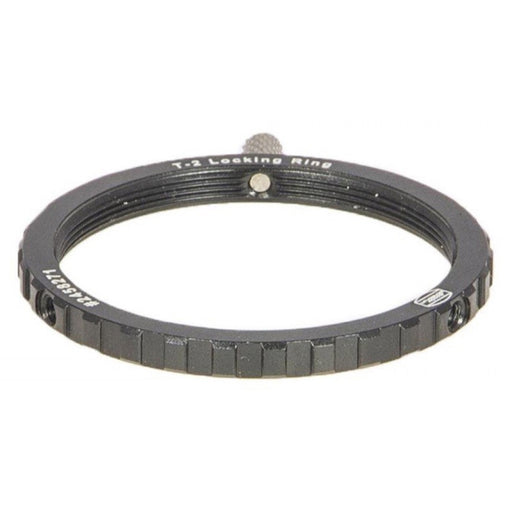
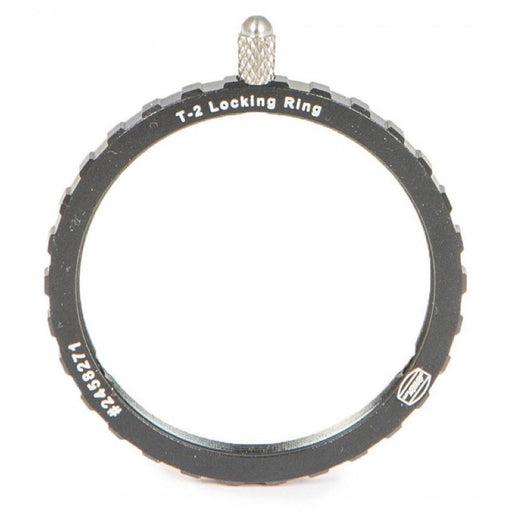
Baader T-2 Locking Ring w/ Lever for MaxBright II
BAA-2458271
Creates a rigid, direct-thread connection for binoviewers Enables precise rotational adjustment and locking Features a repositionable lever for er...
View full details
Original price
CA$53.00
-
Original price
CA$53.00
Original price
CA$53.00
CA$53.00
-
CA$53.00
Current price
CA$53.00
Original price
CA$361.00
-
Original price
CA$361.00
Original price
CA$361.00
CA$361.00
-
CA$361.00
Current price
CA$361.00
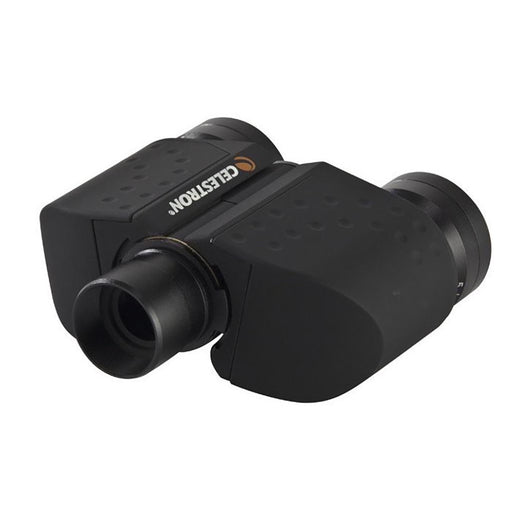
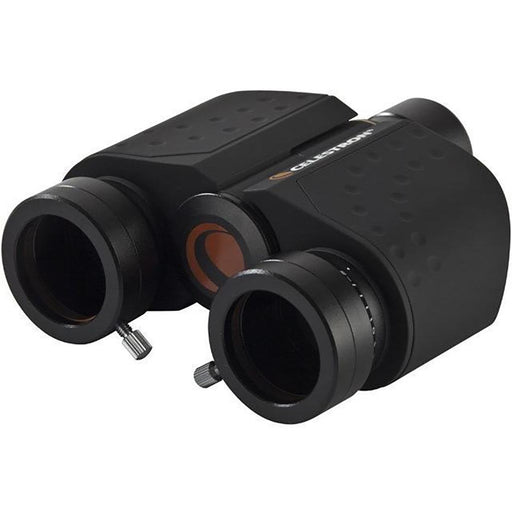
Celestron Stereo Binocular Viewer
CEL-93691
Engage both eyes for more comfortable, detailed, and higher-contrast celestial views High-quality BAK-4 prisms with a 22mm clear aperture prevent ...
View full details
Original price
CA$361.00
-
Original price
CA$361.00
Original price
CA$361.00
CA$361.00
-
CA$361.00
Current price
CA$361.00


Original price
CA$549.00
-
Original price
CA$549.00
Original price
CA$549.00
CA$549.00
-
CA$549.00
Current price
CA$549.00
David Astro Premium Linear Erect Binoviewer
DAV-BINO
No backfocus requirement, it can be used with any telescopes, newtonians included, without the need for barlow or extender lenses. Self-Centering ...
View full details
Original price
CA$549.00
-
Original price
CA$549.00
Original price
CA$549.00
CA$549.00
-
CA$549.00
Current price
CA$549.00
Sold out


Original price
CA$700.00
-
Original price
CA$700.00
Original price
CA$700.00
CA$700.00
-
CA$700.00
Current price
CA$700.00
Explore Scientific BinoViewer for Telescopes
ES-BINOV
Engage both eyes for more comfortable, immersive viewing Integrated erecting prism provides correctly oriented images Accepts two matched 1.25" ey...
View full details
Original price
CA$700.00
-
Original price
CA$700.00
Original price
CA$700.00
CA$700.00
-
CA$700.00
Current price
CA$700.00
Original price
CA$81.00
-
Original price
CA$81.00
Original price
CA$81.00
CA$81.00
-
CA$81.00
Current price
CA$81.00
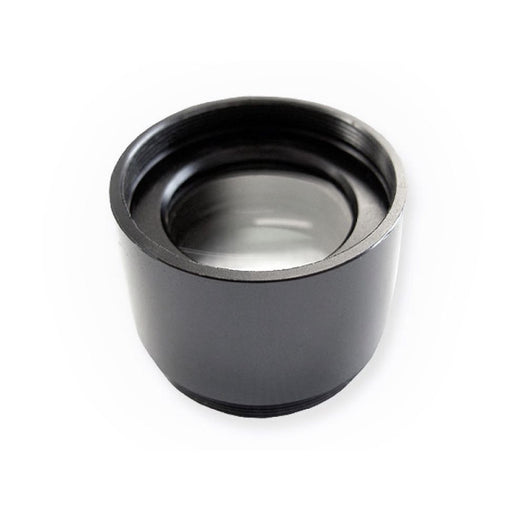
William Optics 2x Barlow Nosepiece for Binoviewer
WO-E-BINO-B2
6 in stock
Provides 2x magnification Enables binoviewers to reach focus in most telescopes Standard 1.25" nosepiece format Threads directly onto the binoview...
View full details
Original price
CA$81.00
-
Original price
CA$81.00
Original price
CA$81.00
CA$81.00
-
CA$81.00
Current price
CA$81.00
Original price
CA$509.00
-
Original price
CA$509.00
Original price
CA$509.00
CA$509.00
-
CA$509.00
Current price
CA$509.00
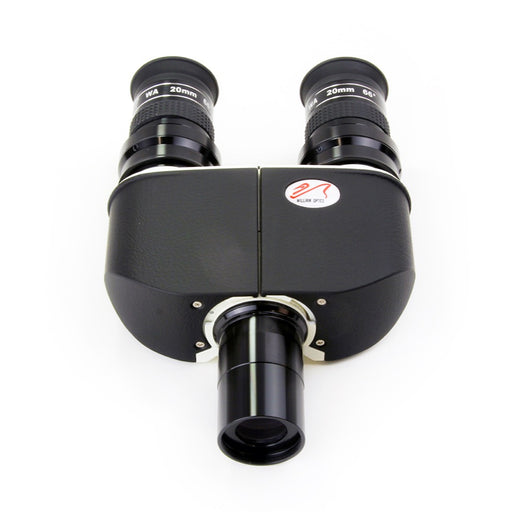
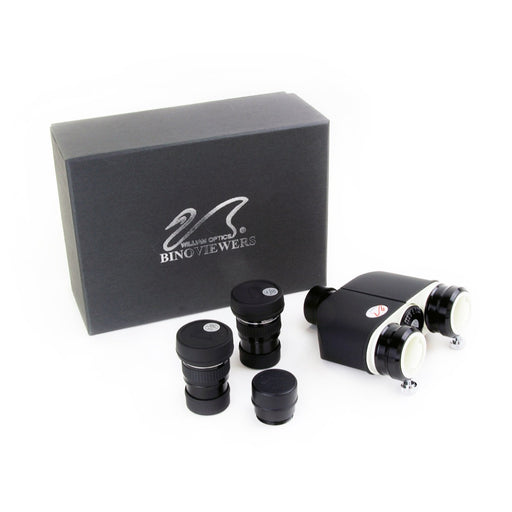
William Optics Binoviewer Complete Package
WO-E-BINO-P
7 in stock
Includes two 20mm 66° wide-angle eyepieces High-quality BaK4 prisms with full multi-coatings Large 20mm clear prism aperture prevents vignetting I...
View full details
Original price
CA$509.00
-
Original price
CA$509.00
Original price
CA$509.00
CA$509.00
-
CA$509.00
Current price
CA$509.00