

Refractors
Refractors earn their following through consistency. A sealed lens system holds collimation indefinitely, cools quickly, gives high-contrast views without a central obstruction, and — in modern apochromatic form — produces the clean, round stars that make wide-field astrophotography look effortless. David Astro carries refractors in Canada, from compact 50 mm travel astrographs to large apochromatic triplets, shipping from Canadian stock.
We image with refractors under Canadian skies and can speak to the practical differences between doublets and triplets, and between glass types, in terms of what actually shows in a finished image rather than what appears on a specification sheet.
Original price
CA$1,679.00
-
Original price
CA$1,679.00
Original price
CA$1,679.00
CA$1,679.00
-
CA$1,679.00
Current price
CA$1,679.00
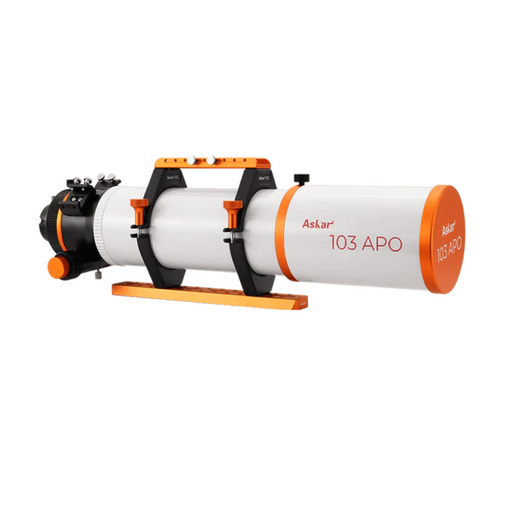
Askar 103APO f/6.8 Triplet
ASK-ASKAPO103
1 in stock
103mm Aperture Triplet Air-Spaced APO Objective 700.4mm Focal Length f/6.8 Native Focal Ratio Includes One ED Glass Element for Superb Color Corre...
View full details
Original price
CA$1,679.00
-
Original price
CA$1,679.00
Original price
CA$1,679.00
CA$1,679.00
-
CA$1,679.00
Current price
CA$1,679.00
Original price
CA$3,219.00
-
Original price
CA$3,219.00
Original price
CA$3,219.00
CA$3,219.00
-
CA$3,219.00
Current price
CA$3,219.00
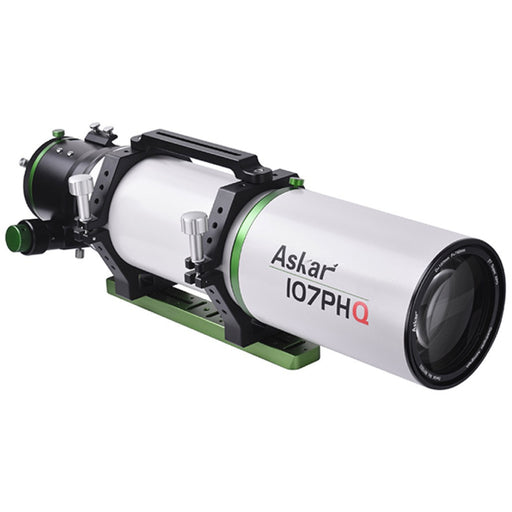
Askar 107PHQ f/7 Quadruplet APO
ASK-107PHQ
1 in stock
107mm Quadruplet APO Optical Design 749mm Focal Length at f/7 44mm Corrected Image Circle for Full-Frame Sensors Integrated Field Flattener for Si...
View full details
Original price
CA$3,219.00
-
Original price
CA$3,219.00
Original price
CA$3,219.00
CA$3,219.00
-
CA$3,219.00
Current price
CA$3,219.00

Original price
CA$2,099.00
-
Original price
CA$2,099.00
Original price
CA$2,099.00
CA$2,099.00
-
CA$2,099.00
Current price
CA$2,099.00
Askar 111F Flat-Field Astrograph
ASK-ASKAR111F
1 in stock
111mm Aperture Quadruplet APO Optics 766mm Focal Length at f/6.9 44mm Full-Frame Corrected Image Circle Integrated Field Flattener Design 5.74kg N...
View full details
Original price
CA$2,099.00
-
Original price
CA$2,099.00
Original price
CA$2,099.00
CA$2,099.00
-
CA$2,099.00
Current price
CA$2,099.00

Original price
CA$2,379.00
-
Original price
CA$2,379.00
Original price
CA$2,379.00
CA$2,379.00
-
CA$2,379.00
Current price
CA$2,379.00
Askar 120APO f/7 Triplet
ASK-ASKAPO120
120mm Aperture Triplet Air-Spaced APO Objective Includes one ED Glass Element for Superb Color Correction 840mm Focal Length at a Native f/7 Focal...
View full details
Original price
CA$2,379.00
-
Original price
CA$2,379.00
Original price
CA$2,379.00
CA$2,379.00
-
CA$2,379.00
Current price
CA$2,379.00
Original price
CA$4,899.00
-
Original price
CA$4,899.00
Original price
CA$4,899.00
CA$4,899.00
-
CA$4,899.00
Current price
CA$4,899.00
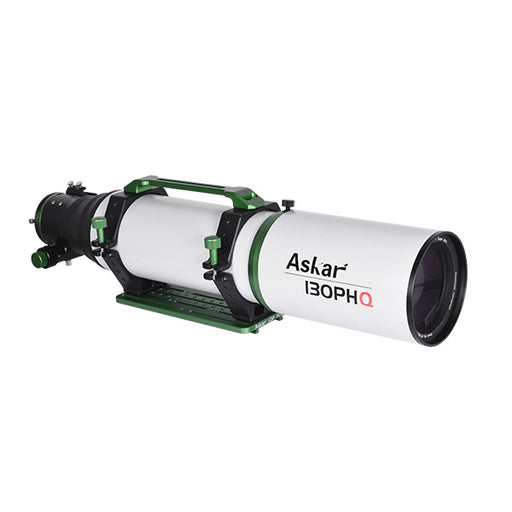
Askar 130PHQ f/7 Quadruplet APO
ASK-130PHQ
130mm Aperture Quadruplet APO Optics 1000mm Focal Length at f/7.7 Built-in Field Flattener 60mm Corrected Image Circle Total Assembled Weight of 1...
View full details
Original price
CA$4,899.00
-
Original price
CA$4,899.00
Original price
CA$4,899.00
CA$4,899.00
-
CA$4,899.00
Current price
CA$4,899.00


Original price
CA$2,799.00
-
Original price
CA$2,799.00
Original price
CA$2,799.00
CA$2,799.00
-
CA$2,799.00
Current price
CA$2,799.00
Askar 131F Flat-Field APO Refractor
ASK-ASAPO131F
131mm Aperture f/7.5 Focal Ratio Quadruplet Air-Spaced APO Optical Design Includes one ED Glass Element 44mm Full-Frame Image Circle Integrated Fi...
View full details
Original price
CA$2,799.00
-
Original price
CA$2,799.00
Original price
CA$2,799.00
CA$2,799.00
-
CA$2,799.00
Current price
CA$2,799.00
Original price
CA$3,499.00
-
Original price
CA$3,499.00
Original price
CA$3,499.00
CA$3,499.00
-
CA$3,499.00
Current price
CA$3,499.00
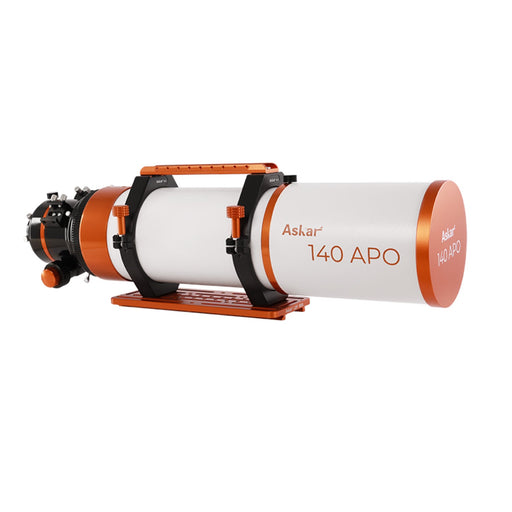
Askar 140APO f/7 Triplet
ASK-ASKAPO140
2 in stock
140mm Aperture 980mm Focal Length f/7 Focal Ratio Air-Spaced Triplet APO with ED Glass OTA Weight: 9.2kg 125mm Retractable Rear Tube Descriptio...
View full details
Original price
CA$3,499.00
-
Original price
CA$3,499.00
Original price
CA$3,499.00
CA$3,499.00
-
CA$3,499.00
Current price
CA$3,499.00

Original price
CA$6,299.00
-
Original price
CA$6,299.00
Original price
CA$6,299.00
CA$6,299.00
-
CA$6,299.00
Current price
CA$6,299.00
Askar 151PHQ f/7 Quadruplet Astrograph
ASK-151PHQ
151mm Aperture Quadruplet APO Optics 1057mm Focal Length at f/7 Integrated Flattener for a 60mm Image Circle Includes Two ED Glass Elements for Co...
View full details
Original price
CA$6,299.00
-
Original price
CA$6,299.00
Original price
CA$6,299.00
CA$6,299.00
-
CA$6,299.00
Current price
CA$6,299.00
Original price
CA$5,383.00
-
Original price
CA$5,383.00
Original price
CA$5,383.00
CA$5,383.00
-
CA$5,383.00
Current price
CA$5,383.00
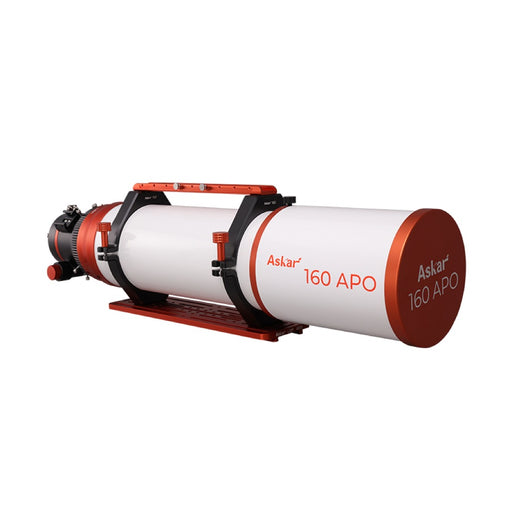
Askar 160APO f/7 Triplet
ASK-ASKAPO160
160mm Aperture Triplet Air-Spaced APO Objective 1120mm Focal Length at f/7 Includes One ED Glass Element for Color Correction Retractable Dew Shie...
View full details
Original price
CA$5,383.00
-
Original price
CA$5,383.00
Original price
CA$5,383.00
CA$5,383.00
-
CA$5,383.00
Current price
CA$5,383.00
Original price
CA$7,391.00
-
Original price
CA$7,391.00
Original price
CA$7,391.00
CA$7,391.00
-
CA$7,391.00
Current price
CA$7,391.00
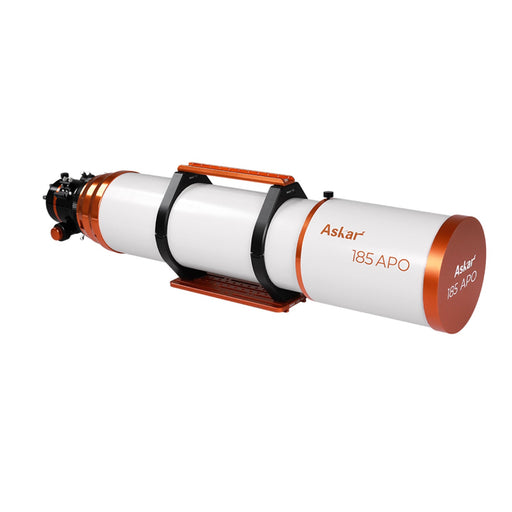
Askar 185APO f/7 Triplet
ASK-185APO
1 in stock
185mm Aperture Triplet APO Objective 1295mm Focal Length at f/7 Includes one ED Glass Element for Color Correction 95mm Retractable Rear Tube for ...
View full details
Original price
CA$7,391.00
-
Original price
CA$7,391.00
Original price
CA$7,391.00
CA$7,391.00
-
CA$7,391.00
Current price
CA$7,391.00


Original price
CA$12,011.00
-
Original price
CA$12,011.00
Original price
CA$12,011.00
CA$12,011.00
-
CA$12,011.00
Current price
CA$12,011.00
Askar 203APO f/7 Triplet APO Refractor
ASK-203APO
203mm Aperture Triplet Air-Spaced APO Objective 1421mm Focal Length at f/7 Includes one ED (Extra-Low Dispersion) Glass Element Retractable Tube D...
View full details
Original price
CA$12,011.00
-
Original price
CA$12,011.00
Original price
CA$12,011.00
CA$12,011.00
-
CA$12,011.00
Current price
CA$12,011.00


Original price
CA$419.00
-
Original price
CA$419.00
Original price
CA$419.00
CA$419.00
-
CA$419.00
Current price
CA$419.00
Askar 50P f/3.8 Quadruplet APO Telescope
ASK-50P
5 in stock
50mm Aperture Quadruplet APO Optics Ultra-Fast f/3.8 Focal Ratio 190mm Focal Length Natively Flat Field for APS-C Sensors Standard 55mm Back Focus...
View full details
Original price
CA$419.00
-
Original price
CA$419.00
Original price
CA$419.00
CA$419.00
-
CA$419.00
Current price
CA$419.00


Original price
CA$699.00
-
Original price
CA$699.00
Original price
CA$699.00
CA$699.00
-
CA$699.00
Current price
CA$699.00
Askar 60F Flat-Field Astrograph
ASK-ASAPO60F
1 in stock
60mm Aperture Quadruplet APO Optics 408mm Focal Length f/6.8 Native Focal Ratio 44mm Full-Frame Image Circle Integrated Field Flattener 2.86kg Gro...
View full details
Original price
CA$699.00
-
Original price
CA$699.00
Original price
CA$699.00
CA$699.00
-
CA$699.00
Current price
CA$699.00

Original price
CA$1,259.00
-
Original price
CA$1,259.00
Original price
CA$1,259.00
CA$1,259.00
-
CA$1,259.00
Current price
CA$1,259.00
Askar 65PHQ f/6.4 Quintuplet Flat-Field Astrograph
ASK-65PHQ
65mm Aperture Quintuplet APO Optical Design 416mm Focal Length at f/6.4 Built-in Field Flattener with 44mm Image Circle 2.8kg Total Weight Includi...
View full details
Original price
CA$1,259.00
-
Original price
CA$1,259.00
Original price
CA$1,259.00
CA$1,259.00
-
CA$1,259.00
Current price
CA$1,259.00
Original price
CA$923.00
-
Original price
CA$923.00
Original price
CA$923.00
CA$923.00
-
CA$923.00
Current price
CA$923.00
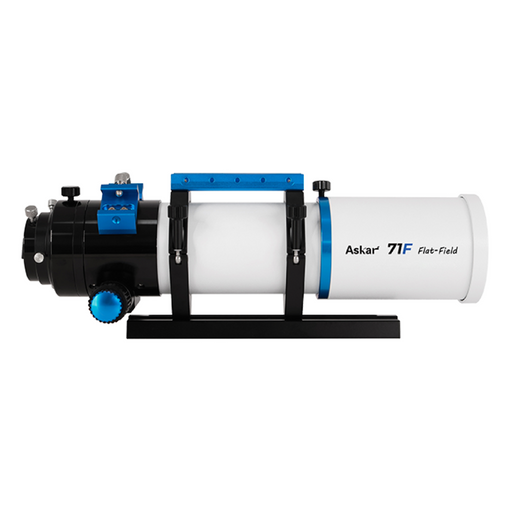
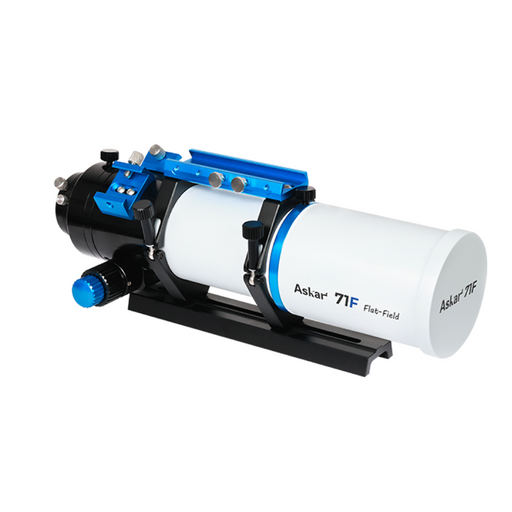
Askar 71F Quadruplet Flat-Field APO f/6.9
ASK-ASAPO71F
1 in stock
71mm Aperture Quadruplet APO Optical Design 490mm Focal Length at f/6.9 44mm Full-Frame Corrected Image Circle Integrated Field Flattener 3.0kg To...
View full details
Original price
CA$923.00
-
Original price
CA$923.00
Original price
CA$923.00
CA$923.00
-
CA$923.00
Current price
CA$923.00
Original price
CA$559.00
-
Original price
CA$559.00
Original price
CA$559.00
CA$559.00
-
CA$559.00
Current price
CA$559.00
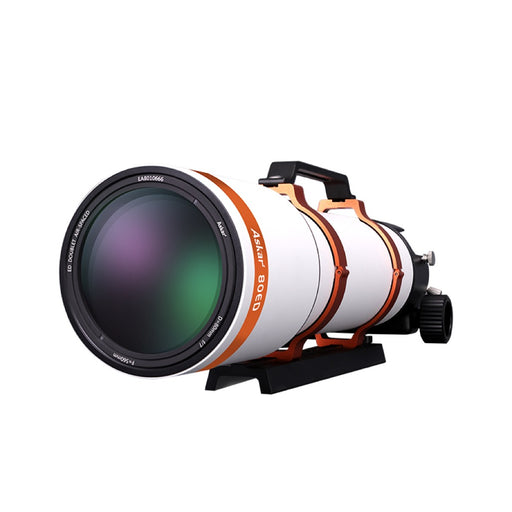
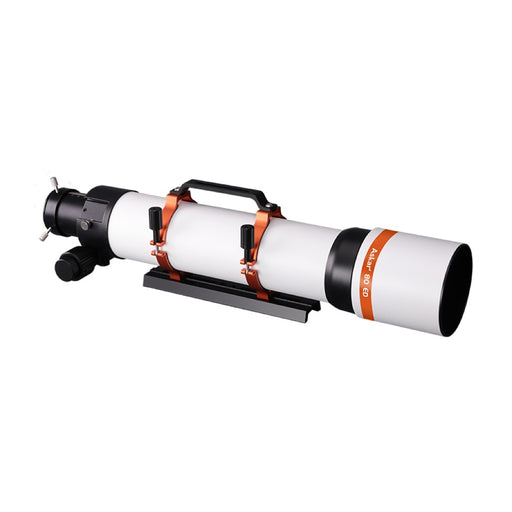
Askar 80ED f/7 Doublet
ASK-ASF80ED
1 in stock
560mm Focal Length f/7 Focal Ratio Triplet Objective with ED Glass APS-C Corrected Image Circle 55mm Back Focus 0.42kg Weight Description FAQ S...
View full details
Original price
CA$559.00
-
Original price
CA$559.00
Original price
CA$559.00
CA$559.00
-
CA$559.00
Current price
CA$559.00
Original price
CA$2,099.00
-
Original price
CA$2,099.00
Original price
CA$2,099.00
CA$2,099.00
-
CA$2,099.00
Current price
CA$2,099.00
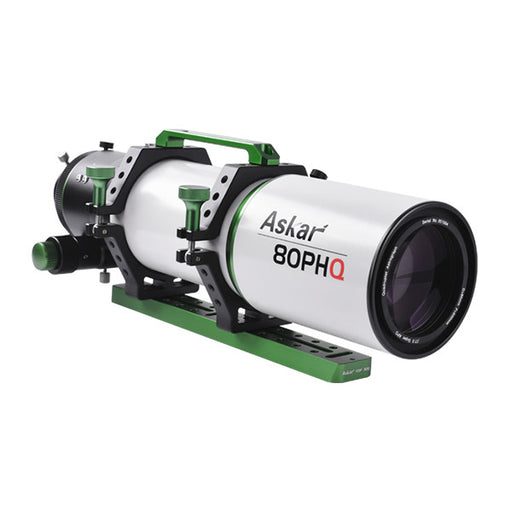
Askar 80PHQ f/7 Quadruplet APO
ASK-80PHQ
80mm Aperture 600mm Focal Length (f/7.5) Quadruplet APO Optics with 2 ED Elements 44mm Full-Frame Image Circle 3.9kg Optical Tube Weight Descri...
View full details
Original price
CA$2,099.00
-
Original price
CA$2,099.00
Original price
CA$2,099.00
CA$2,099.00
-
CA$2,099.00
Current price
CA$2,099.00


Original price
CA$1,399.00
-
Original price
CA$1,399.00
Original price
CA$1,399.00
CA$1,399.00
-
CA$1,399.00
Current price
CA$1,399.00
Askar 91F Flat-Field Astrograph
ASK-ASAPO91F
91mm Aperture Quadruplet APO Optics 609mm Focal Length at f/6.7 44mm Full-Frame Corrected Image Circle Integrated Field Flattener Design 3.92kg Ne...
View full details
Original price
CA$1,399.00
-
Original price
CA$1,399.00
Original price
CA$1,399.00
CA$1,399.00
-
CA$1,399.00
Current price
CA$1,399.00
Original price
CA$1,329.00
-
Original price
CA$1,329.00
Original price
CA$1,329.00
CA$1,329.00
-
CA$1,329.00
Current price
CA$1,329.00
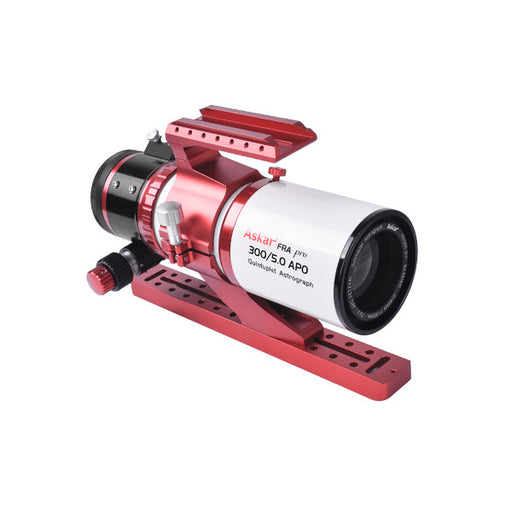
Askar FRA300 Pro 60mm f/5 Quintuplet APO
ASK-FRA300
60mm Aperture Quintuplet APO Astrograph 300mm Focal Length at a Fast f/5 Focal Ratio 44mm Full-Frame Image Circle Integrated Petzval Corrector Des...
View full details
Original price
CA$1,329.00
-
Original price
CA$1,329.00
Original price
CA$1,329.00
CA$1,329.00
-
CA$1,329.00
Current price
CA$1,329.00
Original price
CA$1,679.00
-
Original price
CA$1,679.00
Original price
CA$1,679.00
CA$1,679.00
-
CA$1,679.00
Current price
CA$1,679.00
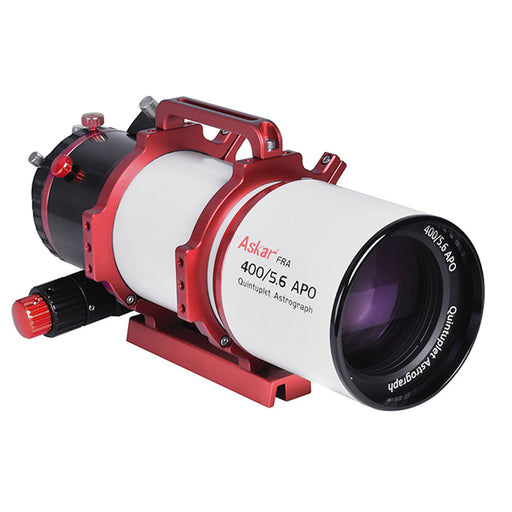
Askar FRA400 72mm f/5.6 Quintuplet APO
ASK-FRA400
2 in stock
72mm Aperture Quintuplet APO Lens 400mm Focal Length at f/5.6 44mm Full-Frame Image Circle 140mm Available Back Focus 3" Rack-and-Pinion Focuser w...
View full details
Original price
CA$1,679.00
-
Original price
CA$1,679.00
Original price
CA$1,679.00
CA$1,679.00
-
CA$1,679.00
Current price
CA$1,679.00


Original price
CA$1,253.00
-
Original price
CA$1,253.00
Original price
CA$1,253.00
CA$1,253.00
-
CA$1,253.00
Current price
CA$1,253.00
Askar FRA400C 72mm f/5.6 Quintuplet APO
ASK-FRA400C
72mm Aperture Quintuplet APO Optics 400mm Focal Length at f/5.6 Covers a 44mm Full-Frame Image Circle Integrated 17-Blade Aperture (f/5.6-f/22) 2....
View full details
Original price
CA$1,253.00
-
Original price
CA$1,253.00
Original price
CA$1,253.00
CA$1,253.00
-
CA$1,253.00
Current price
CA$1,253.00
Original price
CA$2,799.00
-
Original price
CA$2,799.00
Original price
CA$2,799.00
CA$2,799.00
-
CA$2,799.00
Current price
CA$2,799.00
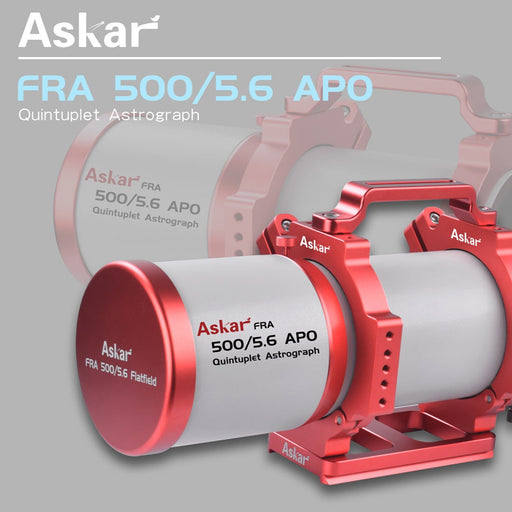
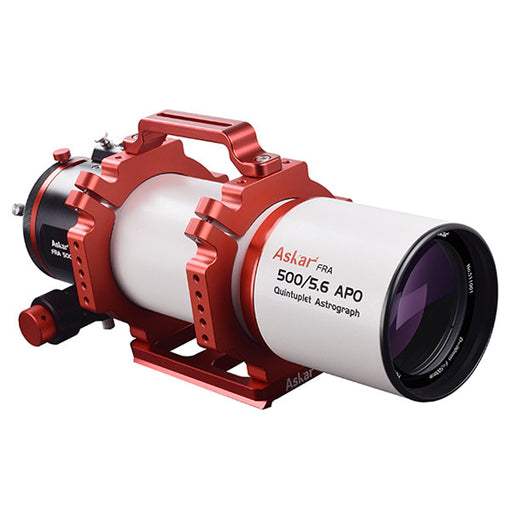
Askar FRA500 90mm f/5.6 Quintuplet APO
ASK-FRA500
90mm Aperture Quintuplet APO Optics 500mm Focal Length at f/5.6 Massive 55mm Flat-Field Image Circle Includes Two ED Glass Elements Total Assemble...
View full details
Original price
CA$2,799.00
-
Original price
CA$2,799.00
Original price
CA$2,799.00
CA$2,799.00
-
CA$2,799.00
Current price
CA$2,799.00
Original price
CA$3,639.00
-
Original price
CA$3,639.00
Original price
CA$3,639.00
CA$3,639.00
-
CA$3,639.00
Current price
CA$3,639.00
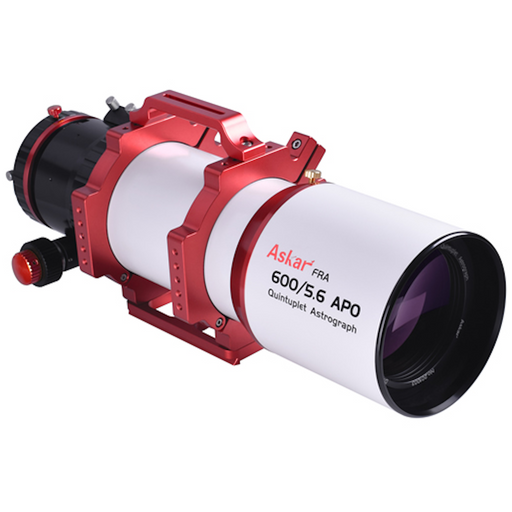
Askar FRA600 108mm f/5.6 Quintuplet APO
ASK-FRA600
108mm Aperture 600mm Focal Length (f/5.6) Quintuplet Flat-Field APO Optical Design 66mm Corrected Image Circle Total Weight of 6.5kg Descriptio...
View full details
Original price
CA$3,639.00
-
Original price
CA$3,639.00
Original price
CA$3,639.00
CA$3,639.00
-
CA$3,639.00
Current price
CA$3,639.00


Original price
CA$4,753.00
-
Original price
CA$4,753.00
Original price
CA$4,753.00
CA$4,753.00
-
CA$4,753.00
Current price
CA$4,753.00
Askar SQA106 106mm f/4.8 Quintuplet APO
ASK-SQA106
1 in stock
106mm Aperture f/4.8 Focal Ratio 509mm Focal Length Quintuplet Petzval APO Optical Design 55mm Image Circle for Medium Format Description FAQ S...
View full details
Original price
CA$4,753.00
-
Original price
CA$4,753.00
Original price
CA$4,753.00
CA$4,753.00
-
CA$4,753.00
Current price
CA$4,753.00