
Filters
A filter decides what light reaches your sensor or your eye, and under Canadian suburban skies that decision often matters more than aperture. The right narrowband filter can make a nebula imageable from a driveway that visually shows almost nothing. David Astro carries filters in Canada — narrowband, LRGB, light pollution, planetary, solar and scientific — in 1.25", 2", 31 mm, 36 mm and unmounted formats, shipped from Canadian stock.
Filter selection is where our team spends a lot of time, because bandwidth, f-ratio and sensor size interact in ways that are not obvious from a product page. Tell us your telescope and camera and we will recommend a set that works together.
Original price
CA$181.00
-
Original price
CA$349.00
Original price
CA$181.00
-
CA$349.00
CA$181.00
-
CA$349.00
Current price
CA$181.00
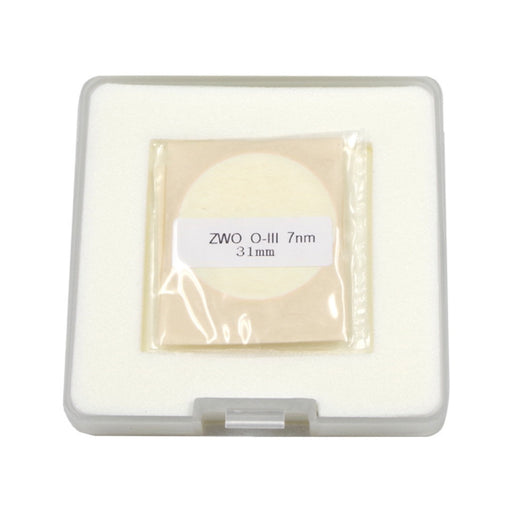
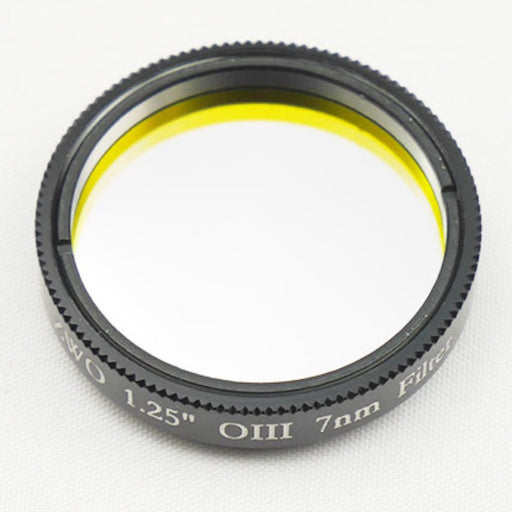
ZWO Narrowband OIII Filter - 7nm
Options available
1 variants in stock
7nm Bandpass at OIII Emission Line Isolates Planetary Nebulae and Supernova Remnants Standard 1.25" Threaded Filter Cell 1/4 Wave Optical Substrat...
View full details
Original price
CA$181.00
-
Original price
CA$349.00
Original price
CA$181.00
-
CA$349.00
CA$181.00
-
CA$349.00
Current price
CA$181.00
Original price
CA$181.00
-
Original price
CA$349.00
Original price
CA$181.00
-
CA$349.00
CA$181.00
-
CA$349.00
Current price
CA$181.00
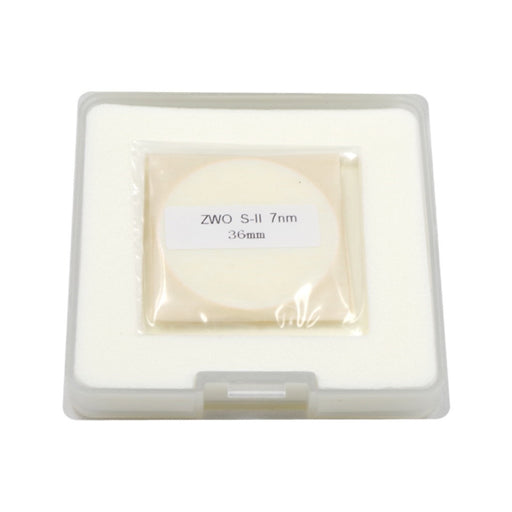
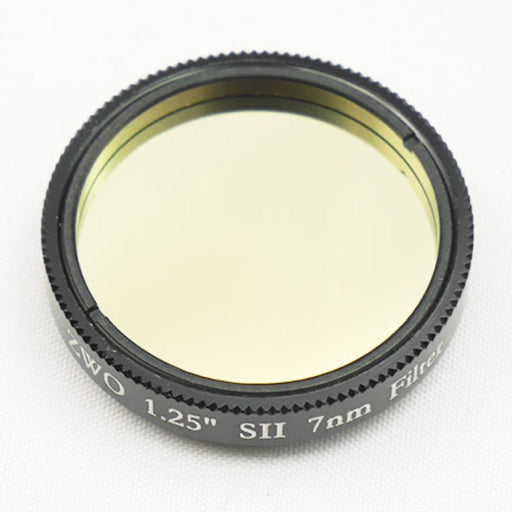
ZWO Narrowband SII Filter - 7nm
Options available
2 variants in stock
Isolates the 672nm Sulfur-II emission line 7nm bandpass for high-contrast imaging Standard 1.25" threaded metal cell 1/4 wave polished substrate w...
View full details
Original price
CA$181.00
-
Original price
CA$349.00
Original price
CA$181.00
-
CA$349.00
CA$181.00
-
CA$349.00
Current price
CA$181.00

Original price
CA$22.00
-
Original price
CA$22.00
Original price
CA$22.00
CA$22.00
-
CA$22.00
Current price
CA$22.00
ZWO T2-1.25" Filter Adapter
ZWO-T2-1.25-3
8 in stock
Connects M42 (T2) threaded cameras to 1.25" filters Adds only 1 mm of optical length to the imaging train Maintains critical back focus for correc...
View full details
Original price
CA$22.00
-
Original price
CA$22.00
Original price
CA$22.00
CA$22.00
-
CA$22.00
Current price
CA$22.00
Original price
CA$40.00
-
Original price
CA$69.00
Original price
CA$40.00
-
CA$69.00
CA$40.00
-
CA$69.00
Current price
CA$40.00
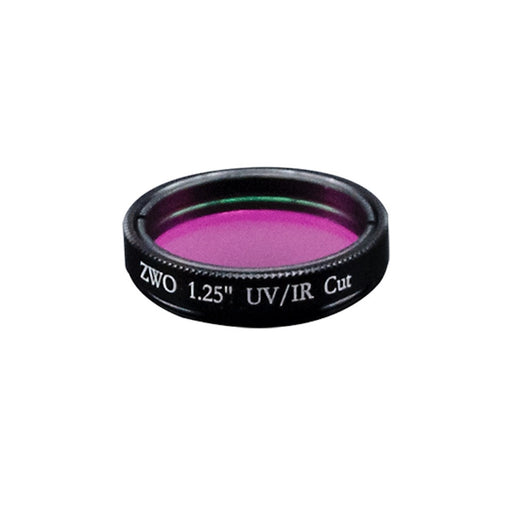
ZWO UV/IR CUT Filter
Options available
40 variants in stock
Threads into standard 1.25" filter holders and nosepieces Blocks unwanted ultraviolet (UV) and infrared (IR) wavelengths Functions as a primary Lu...
View full details
Original price
CA$40.00
-
Original price
CA$69.00
Original price
CA$40.00
-
CA$69.00
CA$40.00
-
CA$69.00
Current price
CA$40.00