
Narrowband Filters
Narrowband imaging is what makes deep-sky astrophotography possible from a Canadian city. By passing only a few nanometres around a specific emission line, these filters reject almost all artificial light and most moonlight, so a nebula that is invisible visually from a suburban driveway becomes a viable multi-hour imaging target. David Astro stocks narrowband filters in Canada, held in Canadian inventory.
Bandwidth choice interacts with your telescope's focal ratio in ways that catch people out. Tell us your optic and camera and we will recommend a bandwidth that will actually perform in your system.


Original price
CA$350.00
-
Original price
CA$350.00
Original price
CA$350.00
CA$350.00
-
CA$350.00
Current price
CA$350.00
Explore Scientific Nebula Filter S-II 2-inch 12nm
ES-310110
Isolates the 672nm Sulfur-II (S-II) emission line 12nm bandpass for high-contrast views 2-inch filter size with standard threads Blocks light poll...
View full details
Original price
CA$350.00
-
Original price
CA$350.00
Original price
CA$350.00
CA$350.00
-
CA$350.00
Current price
CA$350.00


Original price
CA$420.00
-
Original price
CA$420.00
Original price
CA$420.00
CA$420.00
-
CA$420.00
Current price
CA$420.00
Explore Scientific Nebula Filter S-II 2-inch 6.5nm
ES-310120
6.5nm Narrow Bandpass Targets the 672nm Ionized Sulfur (S-II) Emission Line 2-inch Barrel Diameter for Larger Focusers Drastically Increases Contr...
View full details
Original price
CA$420.00
-
Original price
CA$420.00
Original price
CA$420.00
CA$420.00
-
CA$420.00
Current price
CA$420.00
Original price
CA$418.00
-
Original price
CA$418.00
Original price
CA$418.00
CA$418.00
-
CA$418.00
Current price
CA$418.00
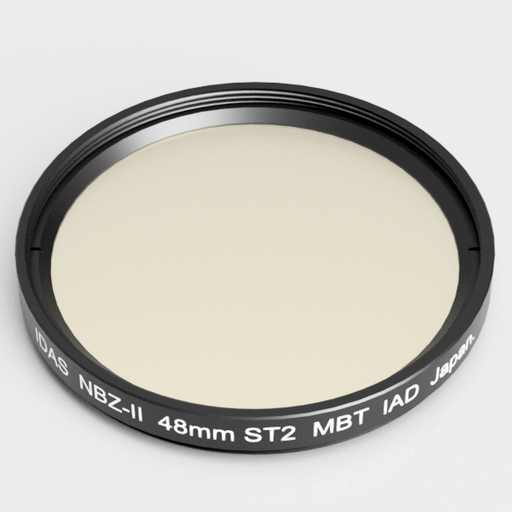
IDAS NBZ-II HA OIII Nebula Booster Filter
IDA-NBZ-II-48ST2
2" OIII 8nm (+/-0.4nm) H-alpha 9.5nm (+/- 0.4nm) (originally designed at 10nm, but on a measured basis, it's 9.5nm.)
Original price
CA$418.00
-
Original price
CA$418.00
Original price
CA$418.00
CA$418.00
-
CA$418.00
Current price
CA$418.00

Original price
CA$474.00
-
Original price
CA$586.00
Original price
CA$474.00
-
CA$586.00
CA$474.00
-
CA$586.00
Current price
CA$474.00
Optolong H-alpha 3nm Narrowband Filter
Options available
1 variants in stock
3nm Bandpass at 656nm Wavelength Maximizes Contrast for Emission Nebulae Extreme Rejection of Light Pollution and Skyglow Ion-Assisted, Anti-Refle...
View full details
Original price
CA$474.00
-
Original price
CA$586.00
Original price
CA$474.00
-
CA$586.00
CA$474.00
-
CA$586.00
Current price
CA$474.00


Original price
CA$223.00
-
Original price
CA$321.00
Original price
CA$223.00
-
CA$321.00
CA$223.00
-
CA$321.00
Current price
CA$223.00
Optolong H-Alpha 7nm Narrowband Filter
Options available
3 variants in stock
Isolates the 656nm Hydrogen-alpha emission line 7nm bandpass for maximum contrast Blocks mercury vapor, sodium vapor, and natural skyglow Ideal fo...
View full details
Original price
CA$223.00
-
Original price
CA$321.00
Original price
CA$223.00
-
CA$321.00
CA$223.00
-
CA$321.00
Current price
CA$223.00


Original price
CA$651.00
-
Original price
CA$937.00
Original price
CA$651.00
-
CA$937.00
CA$651.00
-
CA$937.00
Current price
CA$651.00
Optolong Ha 7nm, OIII 6.5nm & SII 6.5nm Filter Set
Options available
H-alpha Filter: 7nm Bandpass centered at 656nm Oxygen-III Filter: 6.5nm Bandpass centered at 500nm Sulphur-II Filter: 6.5nm Bandpass Hubble Pa...
View full details
Original price
CA$651.00
-
Original price
CA$937.00
Original price
CA$651.00
-
CA$937.00
CA$651.00
-
CA$937.00
Current price
CA$651.00


Original price
CA$1,344.00
-
Original price
CA$1,679.00
Original price
CA$1,344.00
-
CA$1,679.00
CA$1,344.00
-
CA$1,679.00
Current price
CA$1,344.00
Optolong Ha, OIII & SII 3nm Narrowband Filter Set
Options available
Complete SHO set includes H-alpha, OIII, and SII filters Ultra-narrow 3nm bandpass for maximum contrast Isolates 656nm Ha and 500nm OIII emission ...
View full details
Original price
CA$1,344.00
-
Original price
CA$1,679.00
Original price
CA$1,344.00
-
CA$1,679.00
CA$1,344.00
-
CA$1,679.00
Current price
CA$1,344.00


Original price
CA$251.00
-
Original price
CA$363.00
Original price
CA$251.00
-
CA$363.00
CA$251.00
-
CA$363.00
Current price
CA$251.00
Optolong L-Enhance Filter
Options available
7 variants in stock
Dual-bandpass filter isolates H-Alpha, H-Beta, and OIII emission lines Peak transmission of over 90% for maximum signal Blocks over 99% of light p...
View full details
Original price
CA$251.00
-
Original price
CA$363.00
Original price
CA$251.00
-
CA$363.00
CA$251.00
-
CA$363.00
Current price
CA$251.00

Original price
CA$796.00
-
Original price
CA$796.00
Original price
CA$796.00
CA$796.00
-
CA$796.00
Current price
CA$796.00
Optolong L-Extreme + L-Synergy L2 Dual-Combo Filter Set - 2"
OPT-L2-COMBO
3 in stock
Includes L-eXtreme (H-alpha + OIII) and L-Synergy (SII + OIII) filters Enables Hubble Palette (SHO) imaging with one-shot color cameras Captures t...
View full details
Original price
CA$796.00
-
Original price
CA$796.00
Original price
CA$796.00
CA$796.00
-
CA$796.00
Current price
CA$796.00

Original price
CA$335.00
-
Original price
CA$432.00
Original price
CA$335.00
-
CA$432.00
CA$335.00
-
CA$432.00
Current price
CA$335.00
Optolong L-Extreme Filter
Options available
9 variants in stock
Narrow dual-bandpass filter for H-Alpha and OIII Blocks >99% of light pollution emission lines Peak transmission of >90% at critical wavelen...
View full details
Original price
CA$335.00
-
Original price
CA$432.00
Original price
CA$335.00
-
CA$432.00
CA$335.00
-
CA$432.00
Current price
CA$335.00

Original price
CA$362.00
-
Original price
CA$362.00
Original price
CA$362.00
CA$362.00
-
CA$362.00
Current price
CA$362.00
Optolong L-Para HA/OIII 10nm Filter - 2"
OPT-AS100221
5 in stock
Dual Narrowband H-Alpha & OIII Filter Suppresses Mercury, Sodium & LED Light Pollution Optimized for Fast-Ratio Systems (RASA, HyperStar) ...
View full details
Original price
CA$362.00
-
Original price
CA$362.00
Original price
CA$362.00
CA$362.00
-
CA$362.00
Current price
CA$362.00
Original price
CA$558.00
-
Original price
CA$558.00
Original price
CA$558.00
CA$558.00
-
CA$558.00
Current price
CA$558.00
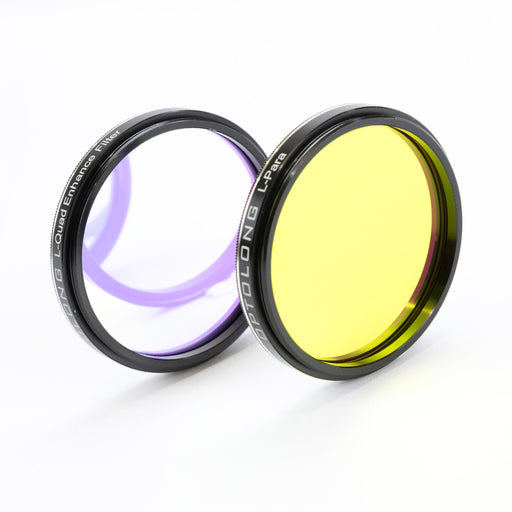
Optolong L-Quad Enhance + L-Para L1 Dual-Combo Filter Set - 2"
OPT-L1-SET
4 in stock
L-Quad Enhance Filter: A quad-bandpass filter designed for balanced RGB color from broadband targets. L-Para L1 Filter: A dual-narrowband filter...
View full details
Original price
CA$558.00
-
Original price
CA$558.00
Original price
CA$558.00
CA$558.00
-
CA$558.00
Current price
CA$558.00


Original price
CA$278.00
-
Original price
CA$278.00
Original price
CA$278.00
CA$278.00
-
CA$278.00
Current price
CA$278.00
Optolong L-Quad Enhance Filter
OPT-14702
4 in stock
Quad-bandpass design for color cameras Suppresses light pollution with OD2-OD4 blocking depth Maintains sharpness with a λ/4 transmitted wavefront...
View full details
Original price
CA$278.00
-
Original price
CA$278.00
Original price
CA$278.00
CA$278.00
-
CA$278.00
Current price
CA$278.00

Original price
CA$432.00
-
Original price
CA$432.00
Original price
CA$432.00
CA$432.00
-
CA$432.00
Current price
CA$432.00
Optolong L-Synergy 7nm SII/OIII Dual Narrowband Filter
OPT-LSYNERGY
3 in stock
Captures Sulfur-II and Oxygen-III Emission Lines Simultaneously Engineered for Hubble Palette (SHO) Imaging with Color Cameras Strict 7nm Bandpass...
View full details
Original price
CA$432.00
-
Original price
CA$432.00
Original price
CA$432.00
CA$432.00
-
CA$432.00
Current price
CA$432.00


Original price
CA$404.00
-
Original price
CA$545.00
Original price
CA$404.00
-
CA$545.00
CA$404.00
-
CA$545.00
Current price
CA$404.00
Optolong L-Ultimate Ha/OIII 3nm Filter
Options available
14 variants in stock
Dual 3nm bandpass isolates Hydrogen-alpha and Oxygen-III emission lines Blocks light pollution across the 300-1000nm spectrum Greater than OD4 blo...
View full details
Original price
CA$404.00
-
Original price
CA$545.00
Original price
CA$404.00
-
CA$545.00
CA$404.00
-
CA$545.00
Current price
CA$404.00

Original price
CA$517.00
-
Original price
CA$797.00
Original price
CA$517.00
-
CA$797.00
CA$517.00
-
CA$797.00
Current price
CA$517.00
Optolong LRGB + H-Alpha 7nm Filter Set
Options available
Complete 5-Filter LRGB and H-Alpha Set 7nm H-Alpha Filter Centered at 656.3nm Blocks 589nm Sodium Light Pollution Line High Transmission for Natur...
View full details
Original price
CA$517.00
-
Original price
CA$797.00
Original price
CA$517.00
-
CA$797.00
CA$517.00
-
CA$797.00
Current price
CA$517.00


Original price
CA$475.00
-
Original price
CA$587.00
Original price
CA$475.00
-
CA$587.00
CA$475.00
-
CA$587.00
Current price
CA$475.00
Optolong OIII 3nm Narrowband Filter
Options available
1 variants in stock
3nm Spectral Bandpass 500nm Central Wavelength (OIII) Ion-Assisted Multi-Layer Coatings Optimized for Monochrome Cameras Available in 2" Mounted o...
View full details
Original price
CA$475.00
-
Original price
CA$587.00
Original price
CA$475.00
-
CA$587.00
CA$475.00
-
CA$587.00
Current price
CA$475.00


Original price
CA$223.00
-
Original price
CA$321.00
Original price
CA$223.00
-
CA$321.00
CA$223.00
-
CA$321.00
Current price
CA$223.00
Optolong OIII 6.5nm Narrowband Filter
Options available
3 variants in stock
6.5nm Narrowband OIII Filter Centered on 500nm Wavelength Captures both 495.9nm and 500.7nm Emission Lines Blocks Light Pollution and Skyglow Idea...
View full details
Original price
CA$223.00
-
Original price
CA$321.00
Original price
CA$223.00
-
CA$321.00
CA$223.00
-
CA$321.00
Current price
CA$223.00


Original price
CA$475.00
-
Original price
CA$587.00
Original price
CA$475.00
-
CA$587.00
CA$475.00
-
CA$587.00
Current price
CA$475.00
Optolong SII 3nm Narrowband Filter
Options available
1 variants in stock
Isolates the Sulfur-II (SII) emission line for astrophotography Extremely narrow 3nm bandpass for maximum contrast Drastically reduces skyglow and...
View full details
Original price
CA$475.00
-
Original price
CA$587.00
Original price
CA$475.00
-
CA$587.00
CA$475.00
-
CA$587.00
Current price
CA$475.00


Original price
CA$223.00
-
Original price
CA$321.00
Original price
CA$223.00
-
CA$321.00
CA$223.00
-
CA$321.00
Current price
CA$223.00
Optolong SII 6.5nm Narrowband Filter
Options available
3 variants in stock
Isolates the Sulfur-II (SII) emission line at 672nm Tight 6.5nm bandpass for maximum contrast Enables imaging in heavily light-polluted skies and ...
View full details
Original price
CA$223.00
-
Original price
CA$321.00
Original price
CA$223.00
-
CA$321.00
CA$223.00
-
CA$321.00
Current price
CA$223.00

Original price
CA$699.00
-
Original price
CA$699.00
Original price
CA$699.00
CA$699.00
-
CA$699.00
Current price
CA$699.00
Player One Anti-Halo PRO Dual-Band Ha/OIII Filter - 2"
POA-AHP-HO-2
Advanced Halo Suppression: Specifically engineered to eliminate halos around even the brightest stars. Dual-Band Ha+OIII Design: Captures hydrog...
View full details
Original price
CA$699.00
-
Original price
CA$699.00
Original price
CA$699.00
CA$699.00
-
CA$699.00
Current price
CA$699.00


Original price
CA$181.00
-
Original price
CA$349.00
Original price
CA$181.00
-
CA$349.00
CA$181.00
-
CA$349.00
Current price
CA$181.00
Player One Ha 7nm Narrowband Filter S-series
Options available
7nm Hydrogen-alpha (Ha) Narrowband Filter Available in 1.25" Threaded Cell and 2" Round Mounted Formats Optimized for Monochrome CMOS/CCD Cameras ...
View full details
Original price
CA$181.00
-
Original price
CA$349.00
Original price
CA$181.00
-
CA$349.00
CA$181.00
-
CA$349.00
Current price
CA$181.00


Original price
CA$181.00
-
Original price
CA$349.00
Original price
CA$181.00
-
CA$349.00
CA$181.00
-
CA$349.00
Current price
CA$181.00
Player One OIII 7nm Narrowband Filter S-series
Options available
Oxygen-III (OIII) 7nm Narrowband Filter Available in 1.25" and 2" Sizes for Narrowband Astrophotography High-Transmission, Multi-Layer Coatings Hi...
View full details
Original price
CA$181.00
-
Original price
CA$349.00
Original price
CA$181.00
-
CA$349.00
CA$181.00
-
CA$349.00
Current price
CA$181.00


Original price
CA$181.00
-
Original price
CA$349.00
Original price
CA$181.00
-
CA$349.00
CA$181.00
-
CA$349.00
Current price
CA$181.00
Player One SII 7nm Narrowband Filter S-series
Options available
Sulfur-II (SII) Narrowband Filter 7nm Narrowband Passband Available in 1.25" and 2" Mounted Formats Optimized for High-Contrast Astrophotography A...
View full details
Original price
CA$181.00
-
Original price
CA$349.00
Original price
CA$181.00
-
CA$349.00
CA$181.00
-
CA$349.00
Current price
CA$181.00