
Cameras
Camera choice in astrophotography is less about megapixels than about matching pixel size to your telescope and your sky. A camera that resolves beautifully at 400 mm focal length will oversample badly at 2000 mm, and a sensor that suits pristine mountain seeing will simply record blur under an average Canadian night. David Astro stocks astronomy cameras in Canada, cooled and uncooled CMOS, monochrome and colour, deep-sky, planetary and guiding, in stock and shipped from our Canadian warehouse.
We match cameras to telescopes for customers constantly. Send us your focal length, your typical seeing and what you want to photograph, and we will calculate the pixel scale before recommending anything.


Original price
CA$364.00
-
Original price
CA$364.00
Original price
CA$364.00
CA$364.00
-
CA$364.00
Current price
CA$364.00
SVBONY SV705C Planetary Camera IMX585 USB3.0
8.3 Megapixel Sony IMX585 Color CMOS Sensor 3856 x 2180 Maximum Resolution 2.9µm Pixel Size 45 FPS at Full Resolution Peak Quantum Efficiency (QE)...
View full details
Original price
CA$364.00
-
Original price
CA$364.00
Original price
CA$364.00
CA$364.00
-
CA$364.00
Current price
CA$364.00


Original price
CA$154.00
-
Original price
CA$154.00
Original price
CA$154.00
CA$154.00
-
CA$154.00
Current price
CA$154.00
SVBONY SV905C 1.23MP Type-C Guide Camera - 1.25"
1.2MP IMX225 CMOS Sensor 3.75µm Pixel Size Peak Quantum Efficiency: 75% Read Noise: 4.0e Maximum Frame Rate: 39 FPS Back Intercept: 8.5mm / 12.5mm...
View full details
Original price
CA$154.00
-
Original price
CA$154.00
Original price
CA$154.00
CA$154.00
-
CA$154.00
Current price
CA$154.00
Original price
CA$279.00
Original price
CA$279.00
-
Original price
CA$279.00
Original price
CA$279.00
Current price
CA$253.00
CA$253.00
-
CA$253.00
Current price
CA$253.00
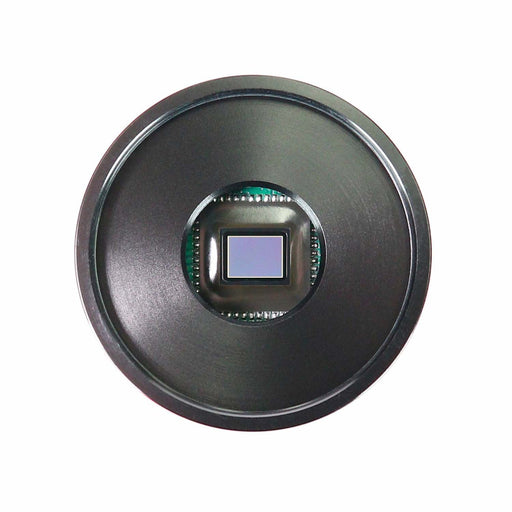
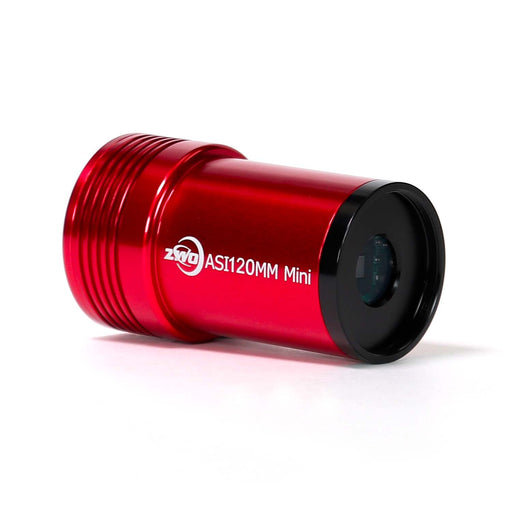
ZWO ASI120MM Mini Mono Guide Camera
1.2 Megapixel monochrome CMOS sensor (1280 x 960) 3.75µm pixel size for precise guiding and planetary detail Peak Quantum Efficiency of 80% for hi...
View full details
Original price
CA$279.00
Original price
CA$279.00
-
Original price
CA$279.00
Original price
CA$279.00
Current price
CA$253.00
CA$253.00
-
CA$253.00
Current price
CA$253.00
Save 9%

Original price
CA$559.00
Original price
CA$559.00
-
Original price
CA$559.00
Original price
CA$559.00
Current price
CA$506.00
CA$506.00
-
CA$506.00
Current price
CA$506.00
ZWO ASI174MM Mini Mono Guide Camera
Large 1/1.2" Sony CMOS Sensor 2.4 MP Resolution (1936 x 1216) 5.86µm Pixel Size 77% Peak Quantum Efficiency Standard 1.25" Body with ST-4 and USB ...
View full details
Original price
CA$559.00
Original price
CA$559.00
-
Original price
CA$559.00
Original price
CA$559.00
Current price
CA$506.00
CA$506.00
-
CA$506.00
Current price
CA$506.00
Save 9%

Original price
CA$699.00
Original price
CA$699.00
-
Original price
CA$699.00
Original price
CA$699.00
Current price
CA$633.00
CA$633.00
-
CA$633.00
Current price
CA$633.00
ZWO ASI174MM Mono
IMX174 Sensor Pixel Size of 5.86 microns QE of 77% USB 3.0 ...
View full details
Original price
CA$699.00
Original price
CA$699.00
-
Original price
CA$699.00
Original price
CA$699.00
Current price
CA$633.00
CA$633.00
-
CA$633.00
Current price
CA$633.00
Save 9%


Original price
CA$1,945.00
-
Original price
CA$1,945.00
Original price
CA$1,945.00
CA$1,945.00
-
CA$1,945.00
Current price
CA$1,945.00
ZWO ASI183GT Mono
20.18 Megapixel Sony IMX183 monochrome sensor for high-resolution imaging Integrated 5-position filter wheel for 1.25" or 31mm unmounted filters P...
View full details
Original price
CA$1,945.00
-
Original price
CA$1,945.00
Original price
CA$1,945.00
CA$1,945.00
-
CA$1,945.00
Current price
CA$1,945.00

Original price
CA$709.00
Original price
CA$709.00
-
Original price
CA$709.00
Original price
CA$709.00
Current price
CA$633.00
CA$633.00
-
CA$633.00
Current price
CA$633.00
ZWO ASI183MC Color
20.2 Megapixel 1" Sony IMX183 BSI CMOS Sensor 2.4µm pixels for high-resolution planetary and solar system imaging 19 FPS at full 5496 x 3672 resol...
View full details
Original price
CA$709.00
Original price
CA$709.00
-
Original price
CA$709.00
Original price
CA$709.00
Current price
CA$633.00
CA$633.00
-
CA$633.00
Current price
CA$633.00
Save 11%

Original price
CA$1,129.00
Original price
CA$1,129.00
-
Original price
CA$1,129.00
Original price
CA$1,129.00
Current price
CA$1,014.00
CA$1,014.00
-
CA$1,014.00
Current price
CA$1,014.00
ZWO ASI183MC Pro Color
20.2 Megapixel 1" Sony IMX183 BSI CMOS Sensor 2.4µm pixels for high-resolution imaging with short focal length telescopes Two-stage TEC cooling re...
View full details
Original price
CA$1,129.00
Original price
CA$1,129.00
-
Original price
CA$1,129.00
Original price
CA$1,129.00
Current price
CA$1,014.00
CA$1,014.00
-
CA$1,014.00
Current price
CA$1,014.00
Save 10%

Original price
CA$989.00
Original price
CA$989.00
-
Original price
CA$989.00
Original price
CA$989.00
Current price
CA$887.00
CA$887.00
-
CA$887.00
Current price
CA$887.00
ZWO ASI183MM Mono
20.2 Megapixel (5496 x 3672) 1" Monochrome CMOS Sensor 2.4µm Pixel Size for High-Resolution Sampling 84% Peak Quantum Efficiency (BSI Sensor) 1.6e...
View full details
Original price
CA$989.00
Original price
CA$989.00
-
Original price
CA$989.00
Original price
CA$989.00
Current price
CA$887.00
CA$887.00
-
CA$887.00
Current price
CA$887.00
Save 10%

Original price
CA$419.00
Original price
CA$419.00
-
Original price
CA$419.00
Original price
CA$419.00
Current price
CA$379.00
CA$379.00
-
CA$379.00
Current price
CA$379.00
ZWO ASI220MM Mini Mono Guide Camera
2.1 Megapixel Resolution (1920 x 1080) 4.0µm Pixel Size 92% Peak Quantum Efficiency 0.6e Minimum Read Noise 1/1.8" Monochrome CMOS Sensor Descr...
View full details
Original price
CA$419.00
Original price
CA$419.00
-
Original price
CA$419.00
Original price
CA$419.00
Current price
CA$379.00
CA$379.00
-
CA$379.00
Current price
CA$379.00
Save 10%

Original price
CA$2,539.00
Original price
CA$2,539.00
-
Original price
CA$2,539.00
Original price
CA$2,539.00
Current price
CA$2,283.00
CA$2,283.00
-
CA$2,283.00
Current price
CA$2,283.00
ZWO ASI2600MC Pro DUO Color
26 MP APS-C Sony IMX571 Imaging Sensor Integrated 1920x1080 SC2210 Guide Sensor 16-Bit ADC & +73Ke Extended Full Well Capacity Zero Amplifier ...
View full details
Original price
CA$2,539.00
Original price
CA$2,539.00
-
Original price
CA$2,539.00
Original price
CA$2,539.00
Current price
CA$2,283.00
CA$2,283.00
-
CA$2,283.00
Current price
CA$2,283.00
Save 10%


Original price
CA$2,119.00
Original price
CA$2,119.00
-
Original price
CA$2,119.00
Original price
CA$2,119.00
Current price
CA$1,902.00
CA$1,902.00
-
CA$1,902.00
Current price
CA$1,902.00
ZWO ASI2600MC Pro V2 Cooled Color Camera
26.1 Megapixel APS-C Sony IMX571 Sensor Two-Stage TEC Cooling, 30-35°C Below Ambient 16-Bit ADC with 73ke Full Well Capacity Readout Noise as low ...
View full details
Original price
CA$2,119.00
Original price
CA$2,119.00
-
Original price
CA$2,119.00
Original price
CA$2,119.00
Current price
CA$1,902.00
CA$1,902.00
-
CA$1,902.00
Current price
CA$1,902.00
Save 10%


Original price
CA$2,799.00
Original price
CA$2,799.00
-
Original price
CA$2,799.00
Original price
CA$2,799.00
Current price
CA$2,537.00
CA$2,537.00
-
CA$2,537.00
Current price
CA$2,537.00
ZWO ASI2600MC-AIR Wireless Smart Color
26 MP APS-C Color CMOS Sensor Integrated ASIAIR Computer with 256 GB Storage Built-in SC2210 Autoguiding Sensor Wireless Control via WiFi Interfac...
View full details
Original price
CA$2,799.00
Original price
CA$2,799.00
-
Original price
CA$2,799.00
Original price
CA$2,799.00
Current price
CA$2,537.00
CA$2,537.00
-
CA$2,537.00
Current price
CA$2,537.00
Save 9%


Original price
CA$3,239.00
Original price
CA$3,239.00
-
Original price
CA$3,239.00
Original price
CA$3,239.00
Current price
CA$2,917.00
CA$2,917.00
-
CA$2,917.00
Current price
CA$2,917.00
ZWO ASI2600MM Pro DUO Mono
Integrates a 26.1 MP IMX571 imaging sensor and a 1920x1080 SC2210 guide sensor APS-C format monochrome sensor with 3.76µm pixels Peak Quantum Effi...
View full details
Original price
CA$3,239.00
Original price
CA$3,239.00
-
Original price
CA$3,239.00
Original price
CA$3,239.00
Current price
CA$2,917.00
CA$2,917.00
-
CA$2,917.00
Current price
CA$2,917.00
Save 10%
Original price
CA$2,819.00
Original price
CA$2,819.00
-
Original price
CA$2,819.00
Original price
CA$2,819.00
Current price
CA$2,537.00
CA$2,537.00
-
CA$2,537.00
Current price
CA$2,537.00
ZWO ASI2600MM Pro V2 Cooled Mono Camera
26.1 Megapixel APS-C Sony IMX571 Mono Sensor 3.76µm Pixel Size 91% Peak Quantum Efficiency 1.0e - 3.3e Read Noise True 16-bit ADC & 73ke Full ...
View full details
Original price
CA$2,819.00
Original price
CA$2,819.00
-
Original price
CA$2,819.00
Original price
CA$2,819.00
Current price
CA$2,537.00
CA$2,537.00
-
CA$2,537.00
Current price
CA$2,537.00
Save 10%
Original price
CA$3,499.00
Original price
CA$3,499.00
-
Original price
CA$3,499.00
Original price
CA$3,499.00
Current price
CA$3,171.00
CA$3,171.00
-
CA$3,171.00
Current price
CA$3,171.00
ZWO ASI2600MM-AIR Wireless Smart Mono Camera
26 MP APS-C Monochrome CMOS Sensor (Sony IMX571) Integrated ASIAIR Control System with 2.4/5GHz WiFi Built-in SC2210 Guide Camera (1920 x 1080) 25...
View full details
Original price
CA$3,499.00
Original price
CA$3,499.00
-
Original price
CA$3,499.00
Original price
CA$3,499.00
Current price
CA$3,171.00
CA$3,171.00
-
CA$3,171.00
Current price
CA$3,171.00
Save 9%

Original price
CA$989.00
Original price
CA$989.00
-
Original price
CA$989.00
Original price
CA$989.00
Current price
CA$887.00
CA$887.00
-
CA$887.00
Current price
CA$887.00
ZWO ASI294MC Color
11.7 Megapixel 4/3" Sony IMX294 Color CMOS Sensor 4.63µm Pixels and 63,700e Full Well Capacity 19 FPS at Full 4144 x 2822 Resolution Ultra-Low 1.2...
View full details
Original price
CA$989.00
Original price
CA$989.00
-
Original price
CA$989.00
Original price
CA$989.00
Current price
CA$887.00
CA$887.00
-
CA$887.00
Current price
CA$887.00
Save 10%

Original price
CA$1,409.00
Original price
CA$1,409.00
-
Original price
CA$1,409.00
Original price
CA$1,409.00
Current price
CA$1,268.00
CA$1,268.00
-
CA$1,268.00
Current price
CA$1,268.00
ZWO ASI294MC Pro Color
11.7 Megapixel 4/3" Sony IMX294 Color CMOS Sensor 4.63µm Pixel Size Massive 63.7ke- Full Well Capacity Extremely Low 1.2e- Minimum Read Noise Two-...
View full details
Original price
CA$1,409.00
Original price
CA$1,409.00
-
Original price
CA$1,409.00
Original price
CA$1,409.00
Current price
CA$1,268.00
CA$1,268.00
-
CA$1,268.00
Current price
CA$1,268.00
Save 10%

Original price
CA$1,409.00
Original price
CA$1,409.00
-
Original price
CA$1,409.00
Original price
CA$1,409.00
Current price
CA$1,268.00
CA$1,268.00
-
CA$1,268.00
Current price
CA$1,268.00
ZWO ASI294MM Mono
11.7 Megapixel 4/3" Monochrome Sony IMX492 Sensor 4.63µm Pixels with 66ke- Full Well Capacity Peak Quantum Efficiency of ~90% Extremely Low Read N...
View full details
Original price
CA$1,409.00
Original price
CA$1,409.00
-
Original price
CA$1,409.00
Original price
CA$1,409.00
Current price
CA$1,268.00
CA$1,268.00
-
CA$1,268.00
Current price
CA$1,268.00
Save 10%

Original price
CA$1,809.00
Original price
CA$1,809.00
-
Original price
CA$1,809.00
Original price
CA$1,809.00
Current price
CA$1,624.00
CA$1,624.00
-
CA$1,624.00
Current price
CA$1,624.00
ZWO ASI294MM Pro Mono
4/3" Sony BSI CMOS Sensor 11.7 MP Resolution (4144 x 2822) at 4.63µm Pixel Size Unlockable 47 MP High-Resolution Mode at 2.3µm Pixel Size 90% Peak...
View full details
Original price
CA$1,809.00
Original price
CA$1,809.00
-
Original price
CA$1,809.00
Original price
CA$1,809.00
Current price
CA$1,624.00
CA$1,624.00
-
CA$1,624.00
Current price
CA$1,624.00
Save 10%


Original price
CA$849.00
Original price
CA$849.00
-
Original price
CA$849.00
Original price
CA$849.00
Current price
CA$760.00
CA$760.00
-
CA$760.00
Current price
CA$760.00
ZWO ASI432MM Mono
1.1" Sony IMX432 Monochrome Sensor Large 9µm Pixels Massive 97ke- Full Well Capacity 120 FPS at Full 1.7 MP Resolution Electronic Global Shutter ...
View full details
Original price
CA$849.00
Original price
CA$849.00
-
Original price
CA$849.00
Original price
CA$849.00
Current price
CA$760.00
CA$760.00
-
CA$760.00
Current price
CA$760.00
Save 10%


Original price
CA$4,229.00
Original price
CA$4,229.00
-
Original price
CA$4,229.00
Original price
CA$4,229.00
Current price
CA$3,806.00
CA$3,806.00
-
CA$3,806.00
Current price
CA$3,806.00
ZWO ASI4400MC Pro Cooled Color Full-Frame Camera
44.7 Megapixel Full-Frame (36mm x 24mm) Sony BSI CMOS Sensor 4.4µm Pixels with a 74.6k e- Full Well Capacity Two-Stage TEC Cooling to 30-35°C Belo...
View full details
Original price
CA$4,229.00
Original price
CA$4,229.00
-
Original price
CA$4,229.00
Original price
CA$4,229.00
Current price
CA$3,806.00
CA$3,806.00
-
CA$3,806.00
Current price
CA$3,806.00
Save 10%


Original price
CA$20,720.00
Original price
CA$20,720.00
-
Original price
CA$20,720.00
Original price
CA$20,720.00
Current price
CA$18,781.00
CA$18,781.00
-
CA$18,781.00
Current price
CA$18,781.00
ZWO ASI461MM Pro Mono
102 Megapixel Sony IMX461 Medium Format Monochrome Sensor 44mm x 33mm sensor size for vast, high-resolution fields of view 3.76µm pixels and 91% p...
View full details
Original price
CA$20,720.00
Original price
CA$20,720.00
-
Original price
CA$20,720.00
Original price
CA$20,720.00
Current price
CA$18,781.00
CA$18,781.00
-
CA$18,781.00
Current price
CA$18,781.00
Save 9%

Original price
CA$416.00
-
Original price
CA$416.00
Original price
CA$416.00
CA$416.00
-
CA$416.00
Current price
CA$416.00
ZWO ASI462MM Mono
2.1MP Sony IMX462 Monochrome Sensor Exceptional Near-Infrared (NIR) Sensitivity 136.1 FPS at Full 1936x1096 Resolution Ultra-Low Read Noise as low...
View full details
Original price
CA$416.00
-
Original price
CA$416.00
Original price
CA$416.00
CA$416.00
-
CA$416.00
Current price
CA$416.00