
Cameras
Camera choice in astrophotography is less about megapixels than about matching pixel size to your telescope and your sky. A camera that resolves beautifully at 400 mm focal length will oversample badly at 2000 mm, and a sensor that suits pristine mountain seeing will simply record blur under an average Canadian night. David Astro stocks astronomy cameras in Canada — cooled and uncooled CMOS, monochrome and colour, deep-sky, planetary and guiding — in stock and shipped from our Canadian warehouse.
We match cameras to telescopes for customers constantly. Send us your focal length, your typical seeing and what you want to photograph, and we will calculate the pixel scale before recommending anything.


Original price
CA$849.00
-
Original price
CA$849.00
Original price
CA$849.00
CA$849.00
-
CA$849.00
Current price
CA$849.00
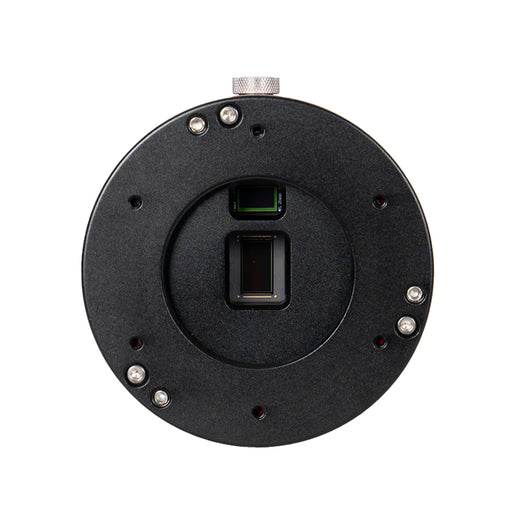
ZWO ASI585MC Pro Color
ZWO-ASI585MC-P
2 in stock
8.29 Megapixel 1/1.2" Sony IMX585 Color Sensor 2.9µm Pixel Size for High-Resolution Imaging 91% Peak Quantum Efficiency 47 FPS at Full 3840x2160 R...
View full details
Original price
CA$849.00
-
Original price
CA$849.00
Original price
CA$849.00
CA$849.00
-
CA$849.00
Current price
CA$849.00

Original price
CA$1,129.00
-
Original price
CA$1,129.00
Original price
CA$1,129.00
CA$1,129.00
-
CA$1,129.00
Current price
CA$1,129.00
ZWO ASI585MC-AIR Wireless Smart Color Camera
ZWO-ASI585MC-AIR
8.29 Megapixel 1/1.2" Sony IMX585 Color CMOS Sensor Integrated ASIAIR Plus, 256 GB Onboard Storage, and WiFi Control Built-in SC2210 Guide Sensor ...
View full details
Original price
CA$1,129.00
-
Original price
CA$1,129.00
Original price
CA$1,129.00
CA$1,129.00
-
CA$1,129.00
Current price
CA$1,129.00


Original price
CA$699.00
-
Original price
CA$699.00
Original price
CA$699.00
CA$699.00
-
CA$699.00
Current price
CA$699.00
ZWO ASI585MM Mono
ZWO-ASI585MM
8.29 Megapixel (3840 x 2160) Monochrome Sensor 2.9µm Pixel Size 91% Peak Quantum Efficiency 46.9 FPS at Full Resolution 256MB DDR3 Buffer Zero Amp...
View full details
Original price
CA$699.00
-
Original price
CA$699.00
Original price
CA$699.00
CA$699.00
-
CA$699.00
Current price
CA$699.00


Original price
CA$1,399.00
-
Original price
CA$1,399.00
Original price
CA$1,399.00
CA$1,399.00
-
CA$1,399.00
Current price
CA$1,399.00
ZWO ASI585MM-AIR Wireless Smart Mono Camera
ZWO-ASI585MM-AIR
1 in stock
8.29 MP Sony IMX585 Monochrome Sensor Integrated SC2210 Guide Sensor Built-in ASIAIR Wireless Control System 91% Peak Quantum Efficiency Two-Stage...
View full details
Original price
CA$1,399.00
-
Original price
CA$1,399.00
Original price
CA$1,399.00
CA$1,399.00
-
CA$1,399.00
Current price
CA$1,399.00


Original price
CA$989.00
-
Original price
CA$989.00
Original price
CA$989.00
CA$989.00
-
CA$989.00
Current price
CA$989.00
ZWO ASI585MM-P Mono
ZWO-ASI585MM-P
1 in stock
8.29 Megapixel (3840x2160) Sony IMX585 Monochrome Sensor High 91% Peak Quantum Efficiency for Maximum Signal 2.9µm Pixels for High-Resolution Plan...
View full details
Original price
CA$989.00
-
Original price
CA$989.00
Original price
CA$989.00
CA$989.00
-
CA$989.00
Current price
CA$989.00


Original price
CA$5,599.00
-
Original price
CA$5,599.00
Original price
CA$5,599.00
CA$5,599.00
-
CA$5,599.00
Current price
CA$5,599.00
ZWO ASI6200MC Pro V2 Color
ZWO-ASI6200MC-P25
61.2 MP Full-Frame Sony IMX455 Sensor 3.76µm Pixel Size 16-bit Native ADC Two-Stage TEC Cooling 256MB DDR3 Image Buffer Description FAQ Specifi...
View full details
Original price
CA$5,599.00
-
Original price
CA$5,599.00
Original price
CA$5,599.00
CA$5,599.00
-
CA$5,599.00
Current price
CA$5,599.00
Original price
CA$5,599.00
-
Original price
CA$5,599.00
Original price
CA$5,599.00
CA$5,599.00
-
CA$5,599.00
Current price
CA$5,599.00
ZWO ASI6200MM Pro V2 Mono
ZWO-ASI6200MM-P25
61.2 Megapixel Full-Frame Sony IMX455 Monochrome Sensor 3.76µm Pixel Size 91% Peak Quantum Efficiency 1.2e Minimum Read Noise 16-Bit ADC and 51,40...
View full details
Original price
CA$5,599.00
-
Original price
CA$5,599.00
Original price
CA$5,599.00
CA$5,599.00
-
CA$5,599.00
Current price
CA$5,599.00


Original price
CA$279.00
-
Original price
CA$279.00
Original price
CA$279.00
CA$279.00
-
CA$279.00
Current price
CA$279.00
ZWO ASI662MC Color
ZWO-ASI662MC
28 in stock
2.1 Megapixel Sony IMX662 BSI Sensor 1920 x 1080 Resolution with 2.9µm Pixels 91% Peak Quantum Efficiency Ultra-Low 0.8e Read Noise 107.6 FPS at F...
View full details
Original price
CA$279.00
-
Original price
CA$279.00
Original price
CA$279.00
CA$279.00
-
CA$279.00
Current price
CA$279.00


Original price
CA$419.00
-
Original price
CA$419.00
Original price
CA$419.00
CA$419.00
-
CA$419.00
Current price
CA$419.00
ZWO ASI662MM Mono
ZWO-ASI662MM
3 in stock
2.1 Megapixel Sony IMX662 Monochrome Sensor 2.9µm Pixel Size 91% Peak Quantum Efficiency 107.6 FPS at Full 1920x1080 Resolution Zero Amplifier Glo...
View full details
Original price
CA$419.00
-
Original price
CA$419.00
Original price
CA$419.00
CA$419.00
-
CA$419.00
Current price
CA$419.00

Original price
CA$419.00
-
Original price
CA$419.00
Original price
CA$419.00
CA$419.00
-
CA$419.00
Current price
CA$419.00
ZWO ASI664MC Color
ZWO-ASI664MC
4 in stock
4.15 Megapixel Sony IMX664 Color CMOS Sensor 2.9µm Pixel Size 91% Peak Quantum Efficiency 95 FPS at Full Resolution 256MB DDR3 Internal Buffer Zer...
View full details
Original price
CA$419.00
-
Original price
CA$419.00
Original price
CA$419.00
CA$419.00
-
CA$419.00
Current price
CA$419.00

Original price
CA$559.00
-
Original price
CA$559.00
Original price
CA$559.00
CA$559.00
-
CA$559.00
Current price
CA$559.00
ZWO ASI676MC Color
ZWO-ASI676MC
9 in stock
12.6 Megapixel 3552 x 3552 Square Sensor 2.0µm Pixel Size 83% Peak Quantum Efficiency Zero Amplifier Glow Circuitry 256MB DDR3 Internal Buffer ...
View full details
Original price
CA$559.00
-
Original price
CA$559.00
Original price
CA$559.00
CA$559.00
-
CA$559.00
Current price
CA$559.00


Original price
CA$699.00
-
Original price
CA$699.00
Original price
CA$699.00
CA$699.00
-
CA$699.00
Current price
CA$699.00
ZWO ASI676MM Mono Camera
ZWO-ASI676MM
5 in stock
12.6 MP Square Sensor (3552 x 3552) 2µm Pixel Size 83% Peak Quantum Efficiency 0.56e Ultra-Low Read Noise Zero Amplifier Glow Description FAQ S...
View full details
Original price
CA$699.00
-
Original price
CA$699.00
Original price
CA$699.00
CA$699.00
-
CA$699.00
Current price
CA$699.00


Original price
CA$419.00
-
Original price
CA$419.00
Original price
CA$419.00
CA$419.00
-
CA$419.00
Current price
CA$419.00
ZWO ASI678MC Color
ZWO-ASI678MC
3 in stock
8.29 Megapixel Sony IMX678 Color Sensor 2.0µm pixels for high-resolution planetary imaging 47.5 FPS at full 3840x2160 resolution Zero amp glow for...
View full details
Original price
CA$419.00
-
Original price
CA$419.00
Original price
CA$419.00
CA$419.00
-
CA$419.00
Current price
CA$419.00


Original price
CA$489.00
-
Original price
CA$489.00
Original price
CA$489.00
CA$489.00
-
CA$489.00
Current price
CA$489.00
ZWO ASI678MM Mono
ZWO-ASI678MM
2 in stock
8.29 Megapixel Resolution (3840 x 2160) 2.0µm Square Pixels 83% Peak Quantum Efficiency (Monochrome) 0.6e Minimum Read Noise 47.5 Frames Per Secon...
View full details
Original price
CA$489.00
-
Original price
CA$489.00
Original price
CA$489.00
CA$489.00
-
CA$489.00
Current price
CA$489.00

Original price
CA$279.00
-
Original price
CA$279.00
Original price
CA$279.00
CA$279.00
-
CA$279.00
Current price
CA$279.00
ZWO ASI715MC Color
ZWO-ASI715MC
3 in stock
3864x2192 Resolution Sony STARVIS Sensor 1.45µm Pixel Size for High-Resolution Planetary Imaging 45.1 FPS at Full Resolution over USB 3.0 Peak Qua...
View full details
Original price
CA$279.00
-
Original price
CA$279.00
Original price
CA$279.00
CA$279.00
-
CA$279.00
Current price
CA$279.00