
Reflectors
No design delivers more aperture for the money than a Newtonian reflector. A mirror is cheaper to make well than a lens, has no chromatic aberration whatsoever, and scales to sizes that would be impossible in glass — which is why almost every large amateur telescope is a reflector. David Astro carries reflectors in Canada, from fast imaging astrographs to large visual Newtonians, stocked in Canada and shipped worldwide.
The trade is collimation and a coma corrector. Both are manageable, and we will be straightforward about what each telescope actually needs.
Original price
CA$1,180.00
Original price
CA$1,180.00
-
Original price
CA$1,180.00
Original price
CA$1,180.00
Current price
CA$1,020.00
CA$1,020.00
-
CA$1,020.00
Current price
CA$1,020.00
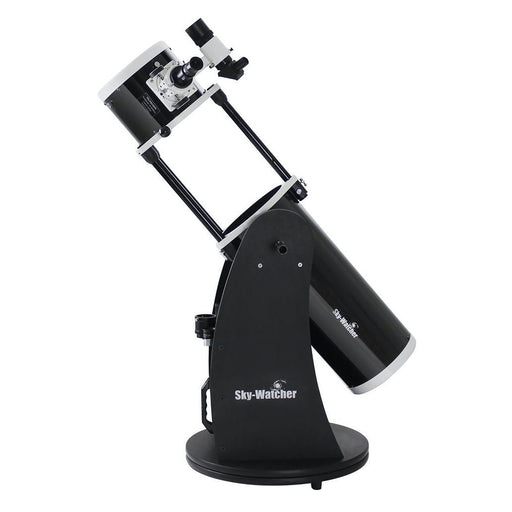
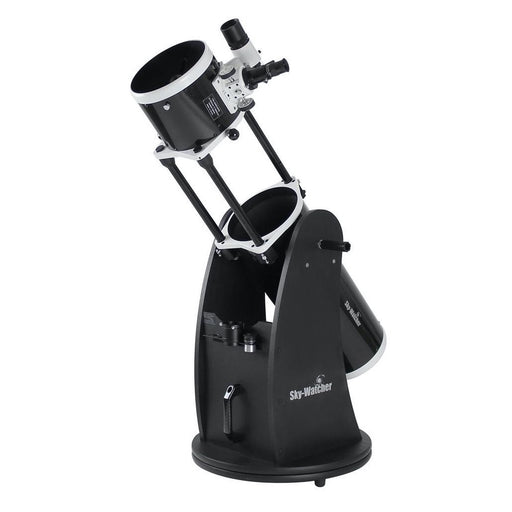
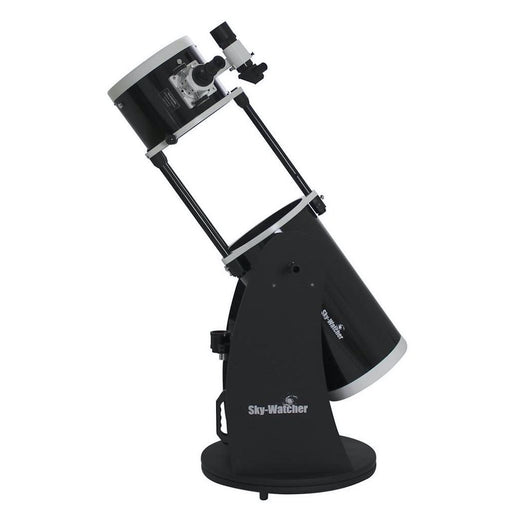
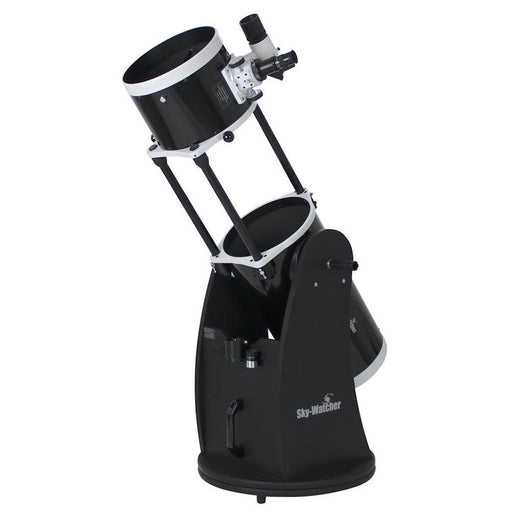
Sky-Watcher Flextube 200P
SW-S11700
1 in stock
203mm (8-inch) Newtonian Reflector 1200mm Focal Length Fast f/5.9 Focal Ratio Collapsible OTA Extends from 33" to 44" 94% Reflectivity Radiant Alu...
View full details
Original price
CA$1,180.00
Original price
CA$1,180.00
-
Original price
CA$1,180.00
Original price
CA$1,180.00
Current price
CA$1,020.00
CA$1,020.00
-
CA$1,020.00
Current price
CA$1,020.00
Save 14%
Original price
CA$2,260.00
Original price
CA$2,260.00
-
Original price
CA$2,260.00
Original price
CA$2,260.00
Current price
CA$1,930.00
CA$1,930.00
-
CA$1,930.00
Current price
CA$1,930.00
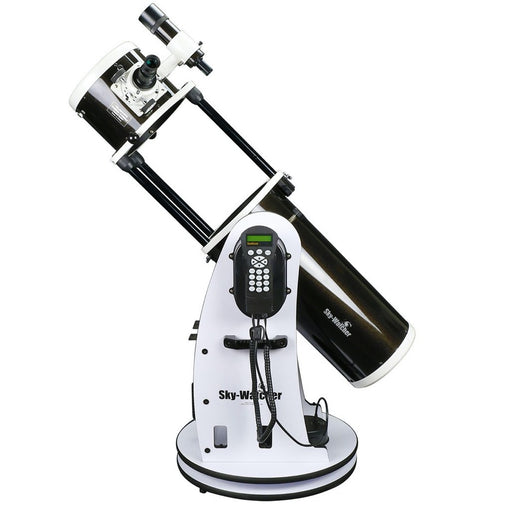
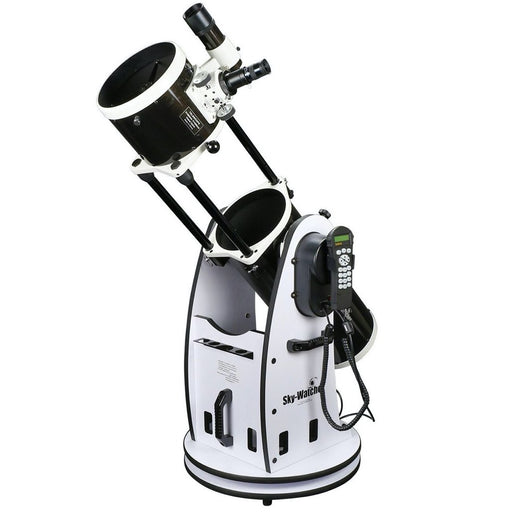
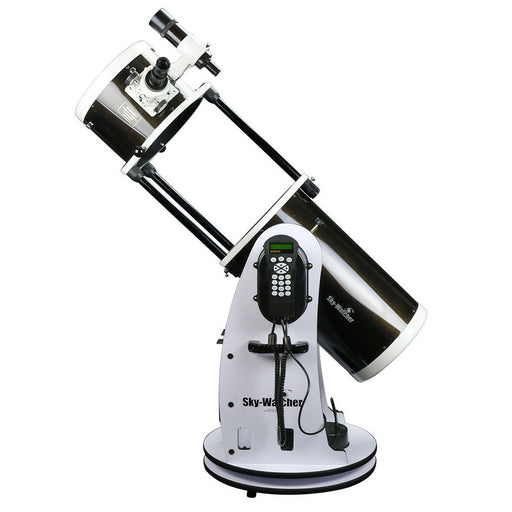
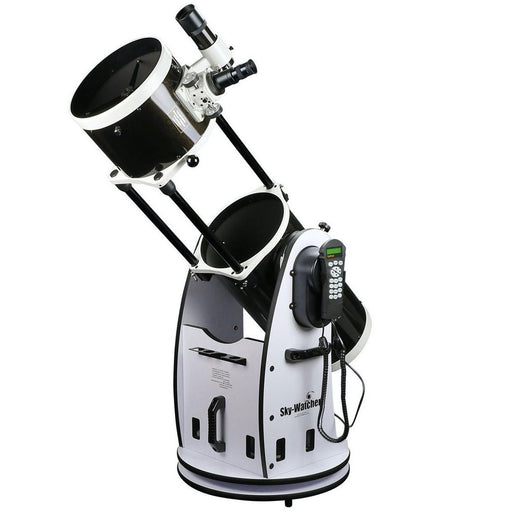
Sky-Watcher Flextube 200P SynScan
SW-S11800
2 in stock
203mm (8-inch) Newtonian primary mirror 1200mm focal length (f/5.9) Collapsible Flextube design for portability SynScan GoTo system with 42,900+ o...
View full details
Original price
CA$2,260.00
Original price
CA$2,260.00
-
Original price
CA$2,260.00
Original price
CA$2,260.00
Current price
CA$1,930.00
CA$1,930.00
-
CA$1,930.00
Current price
CA$1,930.00
Save 15%
Original price
CA$1,600.00
Original price
CA$1,600.00
-
Original price
CA$1,600.00
Original price
CA$1,600.00
Current price
CA$1,380.00
CA$1,380.00
-
CA$1,380.00
Current price
CA$1,380.00
Sky-Watcher Flextube 250P
SW-S11720
254mm (10-inch) Newtonian Reflector 1200mm Focal Length Fast f/4.7 Focal Ratio Collapsible Truss-Tube Design (31.5" retracted) 94% Reflectivity Ra...
View full details
Original price
CA$1,600.00
Original price
CA$1,600.00
-
Original price
CA$1,600.00
Original price
CA$1,600.00
Current price
CA$1,380.00
CA$1,380.00
-
CA$1,380.00
Current price
CA$1,380.00
Save 14%
Original price
CA$2,630.00
Original price
CA$2,630.00
-
Original price
CA$2,630.00
Original price
CA$2,630.00
Current price
CA$2,280.00
CA$2,280.00
-
CA$2,280.00
Current price
CA$2,280.00
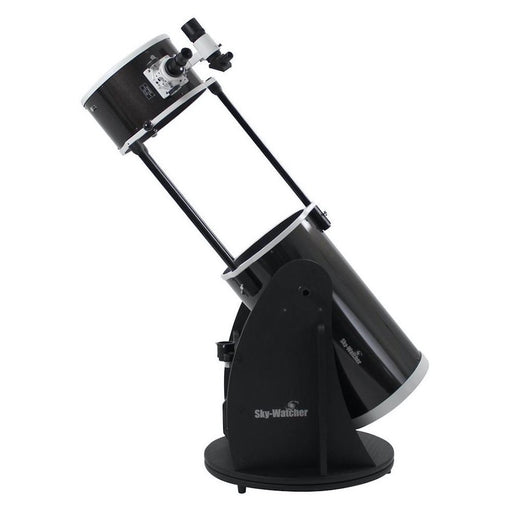
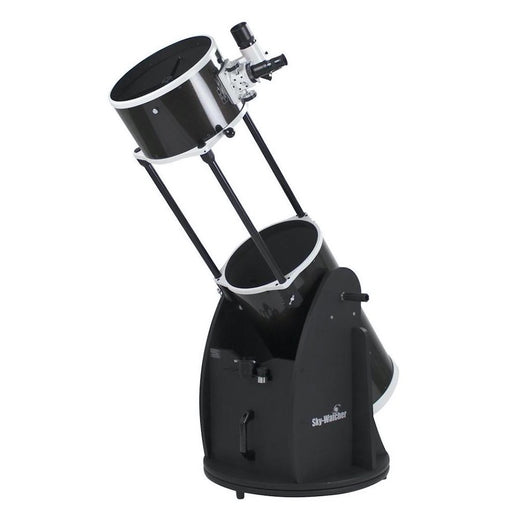
Sky-Watcher Flextube 250P SynScan
SW-S11810
1 in stock
254mm (10-inch) Newtonian Optical Tube 1200mm Focal Length (f/4.7) SynScan GoTo with 42,900+ Object Database Collapsible Flextube Design for Porta...
View full details
Original price
CA$2,630.00
Original price
CA$2,630.00
-
Original price
CA$2,630.00
Original price
CA$2,630.00
Current price
CA$2,280.00
CA$2,280.00
-
CA$2,280.00
Current price
CA$2,280.00
Save 13%
Original price
CA$2,630.00
Original price
CA$2,630.00
-
Original price
CA$2,630.00
Original price
CA$2,630.00
Current price
CA$2,280.00
CA$2,280.00
-
CA$2,280.00
Current price
CA$2,280.00
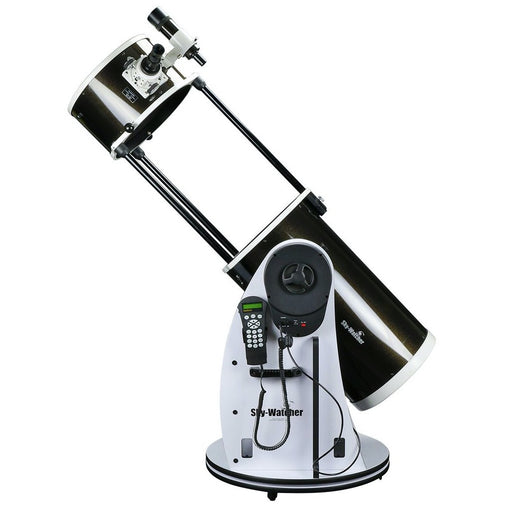
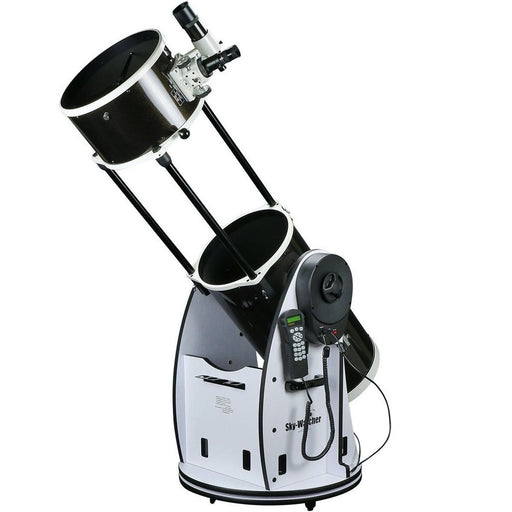
Sky-Watcher Flextube 300P
SW-S11740
305mm (12-inch) parabolic primary mirror 1500mm focal length (f/4.9) Collapsible truss-tube design (36" retracted / 55" extended) 94% reflectivity...
View full details
Original price
CA$2,630.00
Original price
CA$2,630.00
-
Original price
CA$2,630.00
Original price
CA$2,630.00
Current price
CA$2,280.00
CA$2,280.00
-
CA$2,280.00
Current price
CA$2,280.00
Save 13%
Original price
CA$3,960.00
Original price
CA$3,960.00
-
Original price
CA$3,960.00
Original price
CA$3,960.00
Current price
CA$3,450.00
CA$3,450.00
-
CA$3,450.00
Current price
CA$3,450.00
Sky-Watcher Flextube 300P SynScan
SW-S11820
1 in stock
305mm (12-inch) primary mirror for deep-sky and planetary observation 1500mm focal length at a fast f/4.9 focal ratio Collapsible Flextube design ...
View full details
Original price
CA$3,960.00
Original price
CA$3,960.00
-
Original price
CA$3,960.00
Original price
CA$3,960.00
Current price
CA$3,450.00
CA$3,450.00
-
CA$3,450.00
Current price
CA$3,450.00
Save 13%
Original price
CA$5,550.00
Original price
CA$5,550.00
-
Original price
CA$5,550.00
Original price
CA$5,550.00
Current price
CA$4,830.00
CA$4,830.00
-
CA$4,830.00
Current price
CA$4,830.00
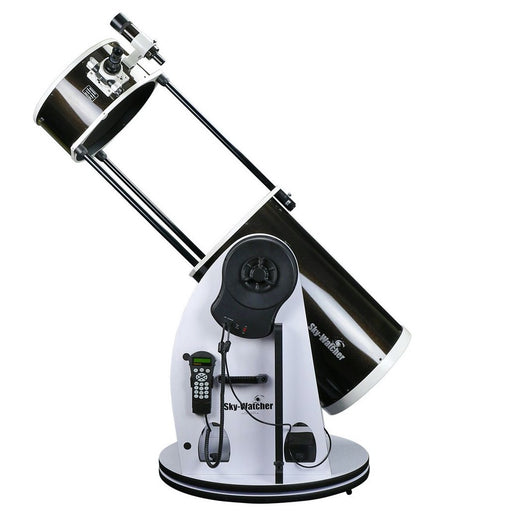
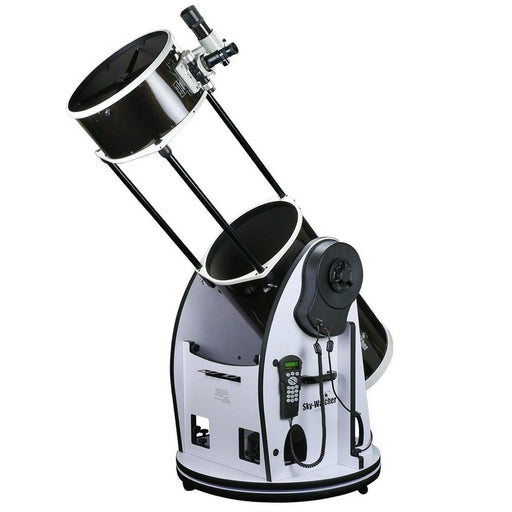
Sky-Watcher Flextube 350P SynScan
SW-S11830
356mm (14-inch) Newtonian Reflector 1650mm Focal Length Fast f/4.6 Focal Ratio SynScan GoTo with 42,900+ Object Database Collapsible Flextube Desi...
View full details
Original price
CA$5,550.00
Original price
CA$5,550.00
-
Original price
CA$5,550.00
Original price
CA$5,550.00
Current price
CA$4,830.00
CA$4,830.00
-
CA$4,830.00
Current price
CA$4,830.00
Save 13%
Original price
CA$7,230.00
Original price
CA$7,230.00
-
Original price
CA$7,230.00
Original price
CA$7,230.00
Current price
CA$6,210.00
CA$6,210.00
-
CA$6,210.00
Current price
CA$6,210.00
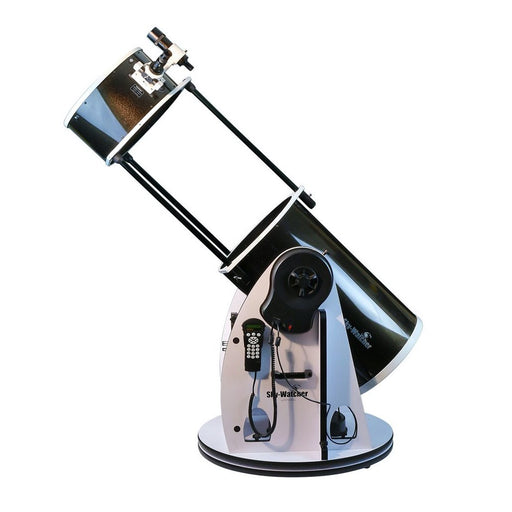
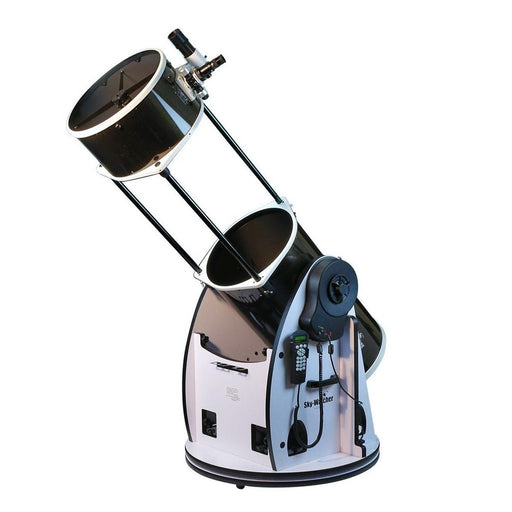
Sky-Watcher Flextube 400P SynScan
SW-S11840
406mm (16-inch) primary mirror gathers 30% more light than a 14-inch model Collapsible Flextube design shrinks OTA length from 66.5" to 42.5" SynS...
View full details
Original price
CA$7,230.00
Original price
CA$7,230.00
-
Original price
CA$7,230.00
Original price
CA$7,230.00
Current price
CA$6,210.00
CA$6,210.00
-
CA$6,210.00
Current price
CA$6,210.00
Save 14%
Original price
CA$420.00
Original price
CA$420.00
-
Original price
CA$420.00
Original price
CA$420.00
Current price
CA$370.00
CA$370.00
-
CA$370.00
Current price
CA$370.00
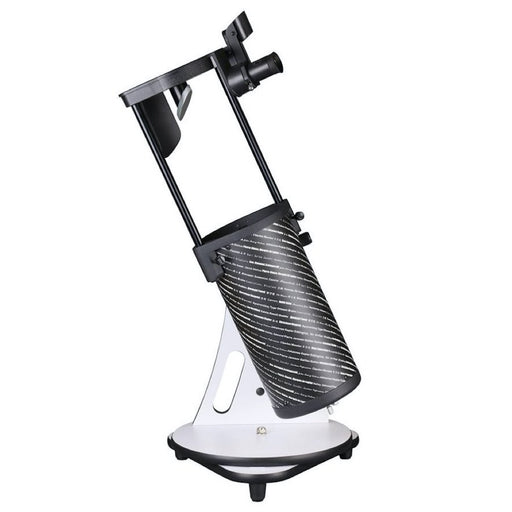
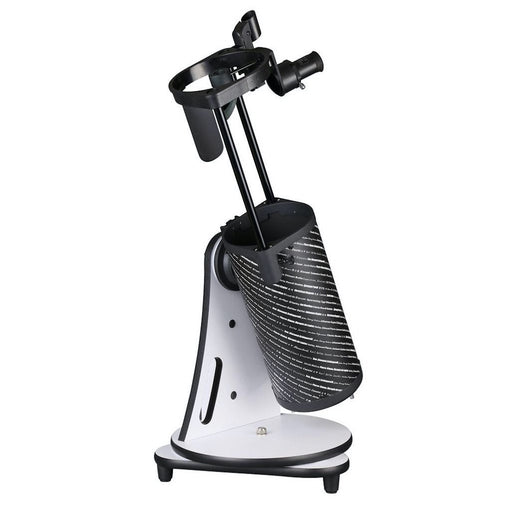
Sky-Watcher Heritage 130 Tabletop Dobsonian
SW-S11705
1 in stock
130mm (5.1") Parabolic Primary Mirror 650mm Focal Length (f/5) Collapsible Truss-Tube Design Lightweight Tabletop Dobsonian Base Includes 25mm and...
View full details
Original price
CA$420.00
Original price
CA$420.00
-
Original price
CA$420.00
Original price
CA$420.00
Current price
CA$370.00
CA$370.00
-
CA$370.00
Current price
CA$370.00
Save 12%
Original price
CA$490.00
Original price
CA$490.00
-
Original price
CA$490.00
Original price
CA$490.00
Current price
CA$430.00
CA$430.00
-
CA$430.00
Current price
CA$430.00
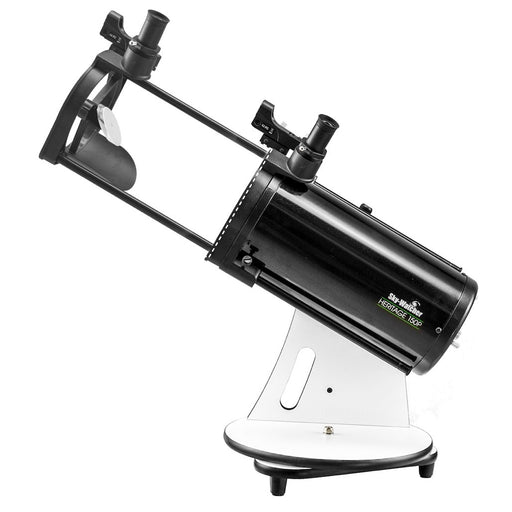
Sky-Watcher Heritage 150 Tabletop Dobsonian
SW-S11710
3 in stock
150mm (5.9") Newtonian Reflector 750mm Focal Length (f/5) Collapsible Tube Design, Extends to 48" 94% Reflectivity RAQ™ Mirror Coatings Total Asse...
View full details
Original price
CA$490.00
Original price
CA$490.00
-
Original price
CA$490.00
Original price
CA$490.00
Current price
CA$430.00
CA$430.00
-
CA$430.00
Current price
CA$430.00
Save 12%
Original price
CA$920.00
-
Original price
CA$920.00
Original price
CA$920.00
CA$920.00
-
CA$920.00
Current price
CA$920.00
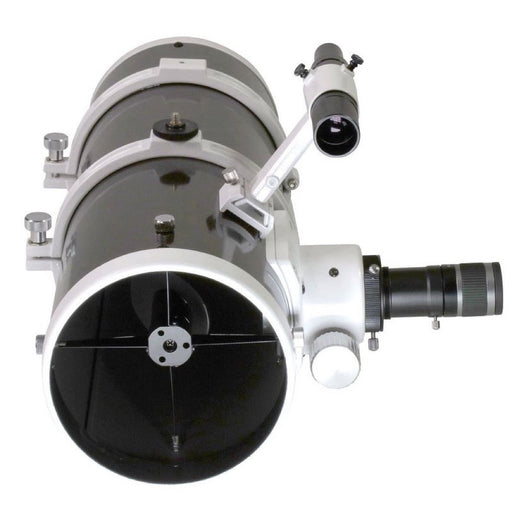
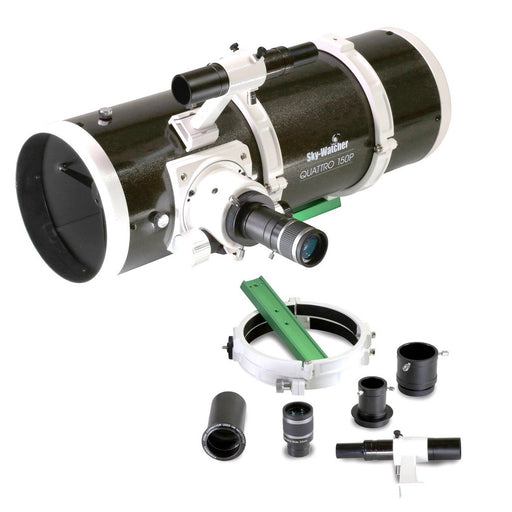
Sky-Watcher Quattro 150P Imaging Newtonian 6" (150mm)
SW-S11205
150mm (6") Primary Aperture Fast f/3.9 Focal Ratio 600mm Focal Length 2" Dual-Speed Crayford Focuser Coma Corrector/Reducer Included 12.6-pound Op...
View full details
Original price
CA$920.00
-
Original price
CA$920.00
Original price
CA$920.00
CA$920.00
-
CA$920.00
Current price
CA$920.00
Original price
CA$1,290.00
-
Original price
CA$1,290.00
Original price
CA$1,290.00
CA$1,290.00
-
CA$1,290.00
Current price
CA$1,290.00
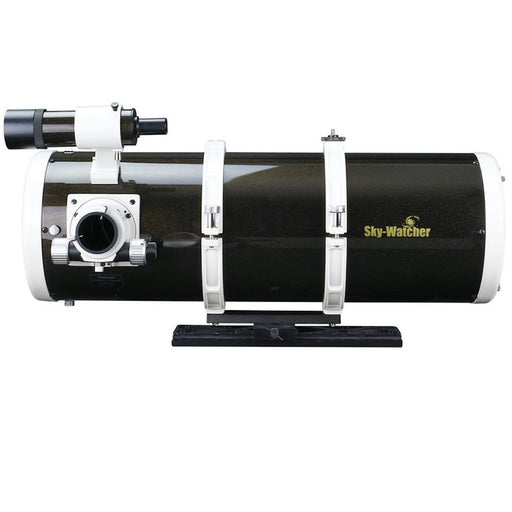
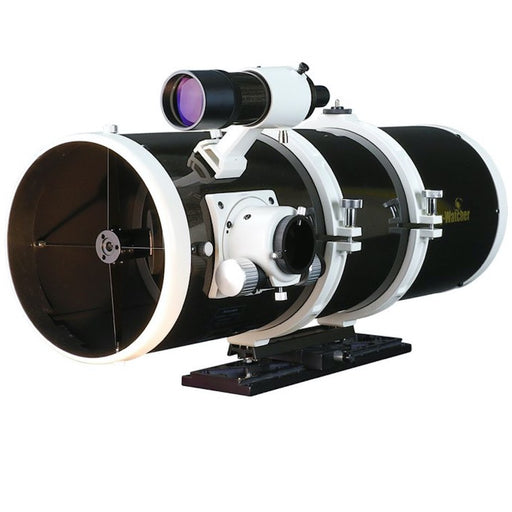
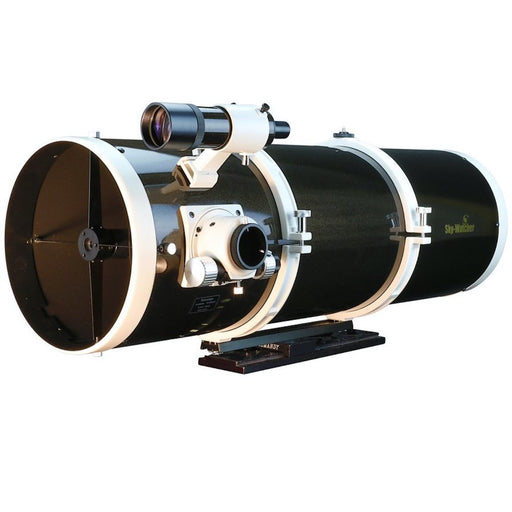
Sky-Watcher Quattro 200P Imaging Newtonian 8" (205 mm)
SW-S11210
1 in stock
203mm (8-inch) Newtonian Reflector Astrograph Fast f/4 Focal Ratio for Short Exposures 800mm Focal Length 94% Reflectivity Radiant™ Aluminum Quart...
View full details
Original price
CA$1,290.00
-
Original price
CA$1,290.00
Original price
CA$1,290.00
CA$1,290.00
-
CA$1,290.00
Current price
CA$1,290.00
Original price
CA$1,840.00
-
Original price
CA$1,840.00
Original price
CA$1,840.00
CA$1,840.00
-
CA$1,840.00
Current price
CA$1,840.00
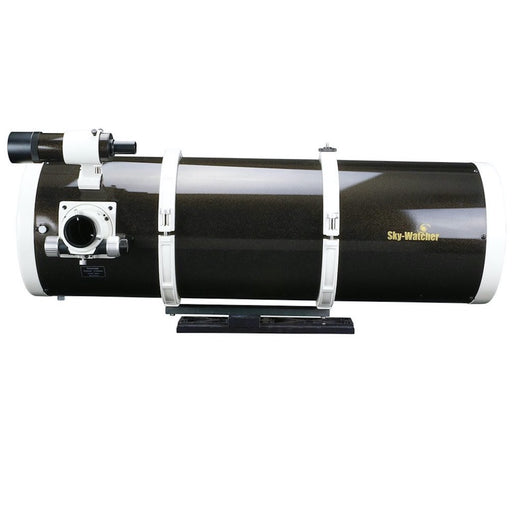
Sky-Watcher Quattro 250P Imaging Newtonian 10" (254 mm)
SW-S11220
1 in stock
254mm (10-inch) Newtonian Reflector Astrograph 1000mm Focal Length Fast f/4 Focal Ratio 94% Reflectivity Radiant™ Aluminum Quartz (RAQ) Coatings 2...
View full details
Original price
CA$1,840.00
-
Original price
CA$1,840.00
Original price
CA$1,840.00
CA$1,840.00
-
CA$1,840.00
Current price
CA$1,840.00
Original price
CA$2,770.00
-
Original price
CA$2,770.00
Original price
CA$2,770.00
CA$2,770.00
-
CA$2,770.00
Current price
CA$2,770.00
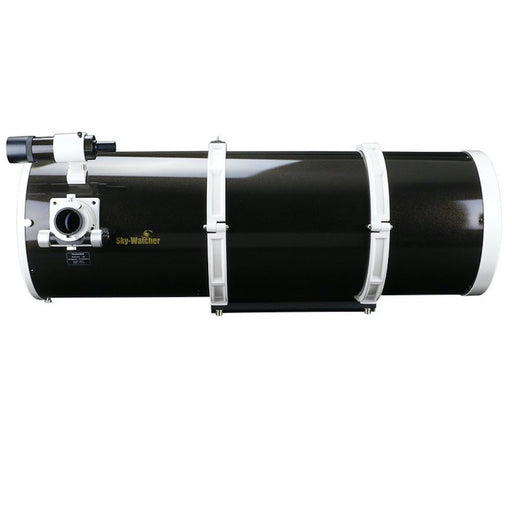
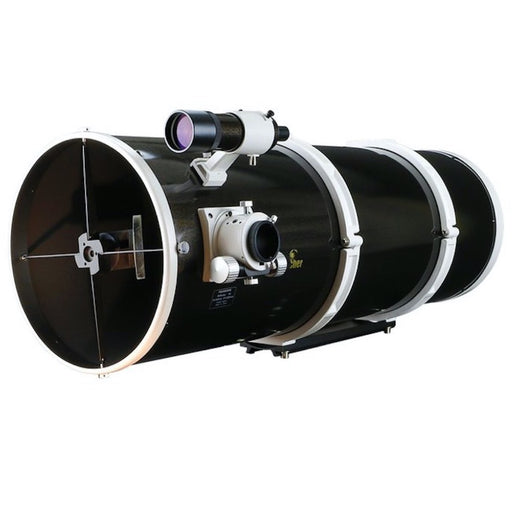
Sky-Watcher Quattro 300P Imaging Newtonian 12" (305 mm)
SW-S11230
305mm (12") Newtonian Reflector Astrograph 1200mm Focal Length Fast f/4 Focal Ratio 94% Reflectivity Radiant™ Aluminum Quartz (RAQ™) Coatings 57 l...
View full details
Original price
CA$2,770.00
-
Original price
CA$2,770.00
Original price
CA$2,770.00
CA$2,770.00
-
CA$2,770.00
Current price
CA$2,770.00

Original price
CA$690.00
Original price
CA$690.00
-
Original price
CA$690.00
Original price
CA$690.00
Current price
CA$590.00
CA$590.00
-
CA$590.00
Current price
CA$590.00
Sky-Watcher Virtuoso GTi 130 Tabletop GoTo Dobsonian
SW-S21210
1 in stock
130mm (5.1") Primary Mirror 650mm Focal Length (f/5) Collapsible Tube Retracts to 14.75" Built-in WiFi GoTo Control Total Weight of 17.3 pounds ...
View full details
Original price
CA$690.00
Original price
CA$690.00
-
Original price
CA$690.00
Original price
CA$690.00
Current price
CA$590.00
CA$590.00
-
CA$590.00
Current price
CA$590.00
Save 14%
Original price
CA$760.00
Original price
CA$760.00
-
Original price
CA$760.00
Original price
CA$760.00
Current price
CA$650.00
CA$650.00
-
CA$650.00
Current price
CA$650.00
Sky-Watcher Virtuoso GTi 150 Tabletop GoTo Dobsonian
SW-S21205
150mm (5.9") Newtonian reflector optical tube Fast f/5 focal ratio for wide-field views Collapsible tube retracts from 27" to 16" for transport Bu...
View full details
Original price
CA$760.00
Original price
CA$760.00
-
Original price
CA$760.00
Original price
CA$760.00
Current price
CA$650.00
CA$650.00
-
CA$650.00
Current price
CA$650.00
Save 14%