
Filters
A filter decides what light reaches your sensor or your eye, and under Canadian suburban skies that decision often matters more than aperture. The right narrowband filter can make a nebula imageable from a driveway that visually shows almost nothing. David Astro carries filters in Canada — narrowband, LRGB, light pollution, planetary, solar and scientific — in 1.25", 2", 31 mm, 36 mm and unmounted formats, shipped from Canadian stock.
Filter selection is where our team spends a lot of time, because bandwidth, f-ratio and sensor size interact in ways that are not obvious from a product page. Tell us your telescope and camera and we will recommend a set that works together.
Original price
CA$735.00
-
Original price
CA$2,695.00
Original price
CA$735.00
-
CA$2,695.00
CA$735.00
-
CA$2,695.00
Current price
CA$735.00
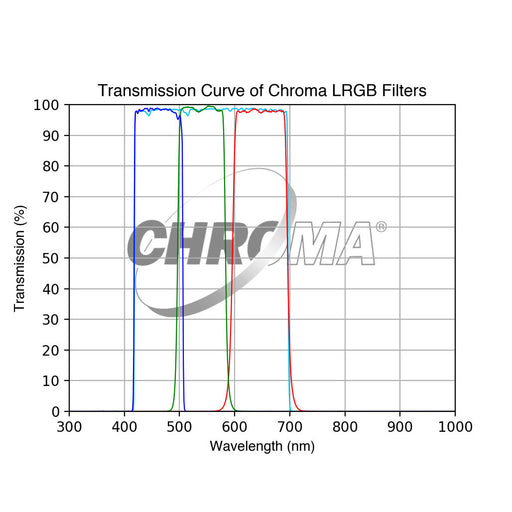
Chroma LRGB Filter Set
Options available
Luminance, Red, Green, and Blue astronomy filter set Filters designed for use with CCD and for f/4.0 or slower No reflections leading to image dist...
View full details
Original price
CA$735.00
-
Original price
CA$2,695.00
Original price
CA$735.00
-
CA$2,695.00
CA$735.00
-
CA$2,695.00
Current price
CA$735.00
Original price
CA$210.00
-
Original price
CA$700.00
Original price
CA$210.00
-
CA$700.00
CA$210.00
-
CA$700.00
Current price
CA$210.00
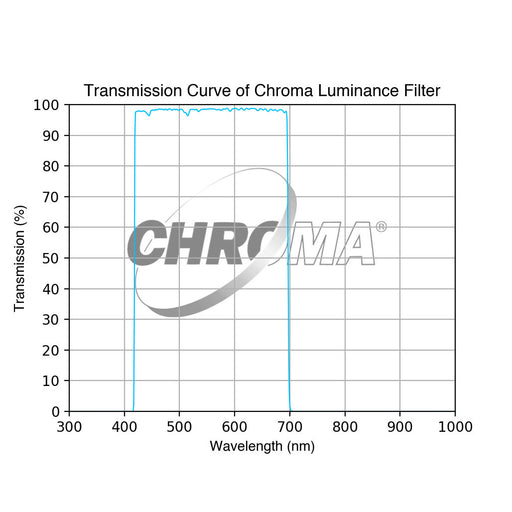
Chroma Luminance Filter
Options available
Luminance filter for enhancing color rendering with RGB set Filters designed for use with CCD and for f/4.0 or slower No reflections leading to ima...
View full details
Original price
CA$210.00
-
Original price
CA$700.00
Original price
CA$210.00
-
CA$700.00
CA$210.00
-
CA$700.00
Current price
CA$210.00
Original price
CA$805.00
-
Original price
CA$2,170.00
Original price
CA$805.00
-
CA$2,170.00
CA$805.00
-
CA$2,170.00
Current price
CA$805.00
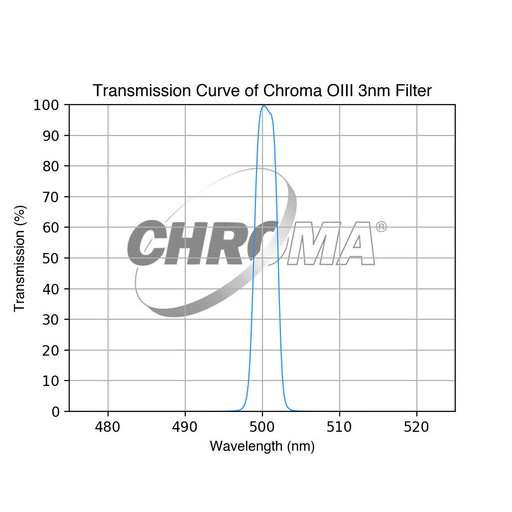
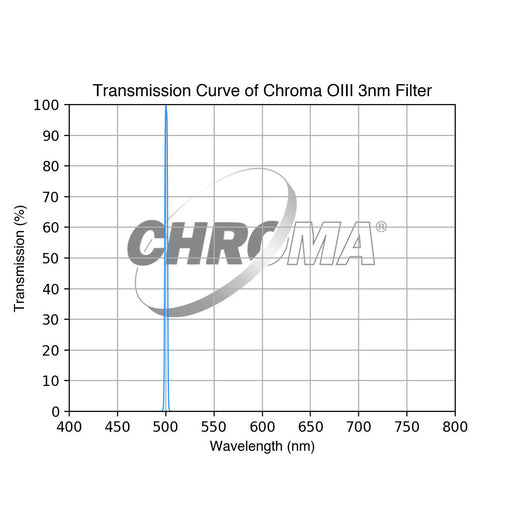
Chroma OIII Filter - 3nm
Options available
Chroma’s OIII filters isolate the 500.7nm primary emission line of doubly ionized oxygen. After H-alpha, this is the next most common emission when...
View full details
Original price
CA$805.00
-
Original price
CA$2,170.00
Original price
CA$805.00
-
CA$2,170.00
CA$805.00
-
CA$2,170.00
Current price
CA$805.00
Original price
CA$644.00
-
Original price
CA$1,932.00
Original price
CA$644.00
-
CA$1,932.00
CA$644.00
-
CA$1,932.00
Current price
CA$644.00
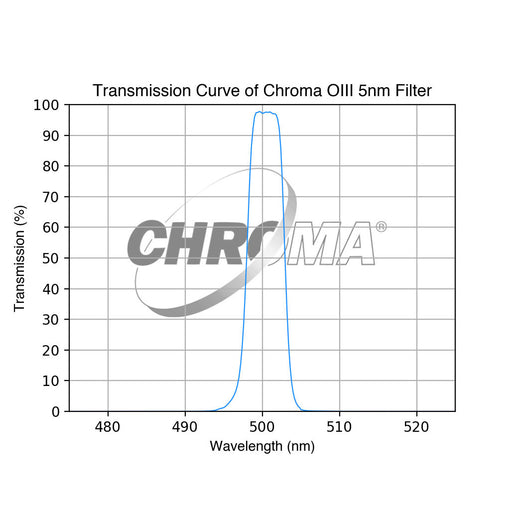
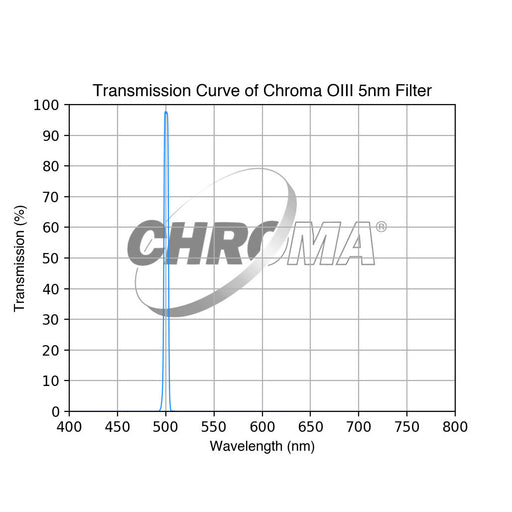
Chroma OIII Filter - 5nm
Options available
Chroma’s OIII filters isolate the 500.7nm primary emission line of doubly ionized oxygen. After H-alpha, this is the next most common emission when...
View full details
Original price
CA$644.00
-
Original price
CA$1,932.00
Original price
CA$644.00
-
CA$1,932.00
CA$644.00
-
CA$1,932.00
Current price
CA$644.00
Original price
CA$385.00
-
Original price
CA$1,162.00
Original price
CA$385.00
-
CA$1,162.00
CA$385.00
-
CA$1,162.00
Current price
CA$385.00
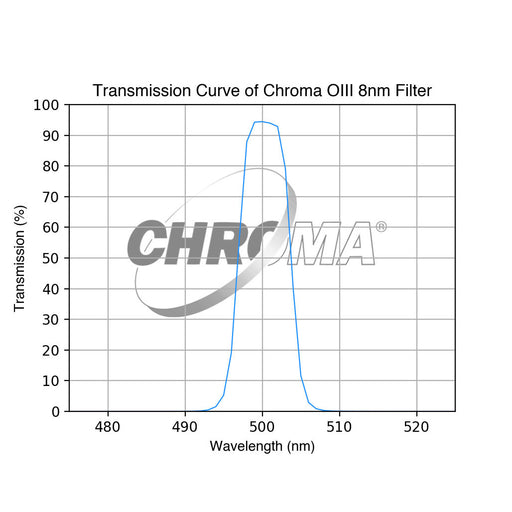
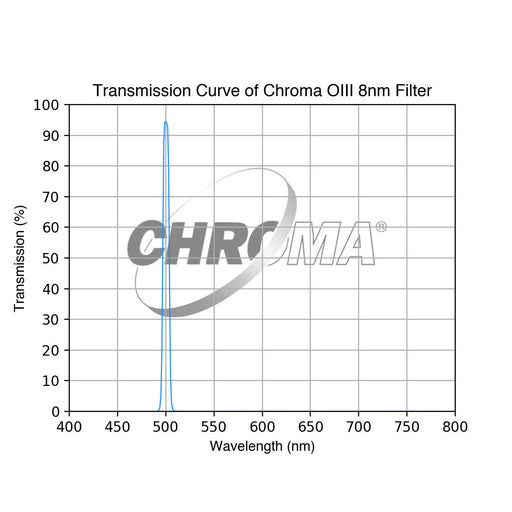
Chroma OIII Filter - 8nm
Options available
Chroma’s OIII filters isolate the 500.7nm primary emission line of doubly ionized oxygen. After H-alpha, this is the next most common emission when...
View full details
Original price
CA$385.00
-
Original price
CA$1,162.00
Original price
CA$385.00
-
CA$1,162.00
CA$385.00
-
CA$1,162.00
Current price
CA$385.00
Original price
CA$805.00
-
Original price
CA$2,170.00
Original price
CA$805.00
-
CA$2,170.00
CA$805.00
-
CA$2,170.00
Current price
CA$805.00
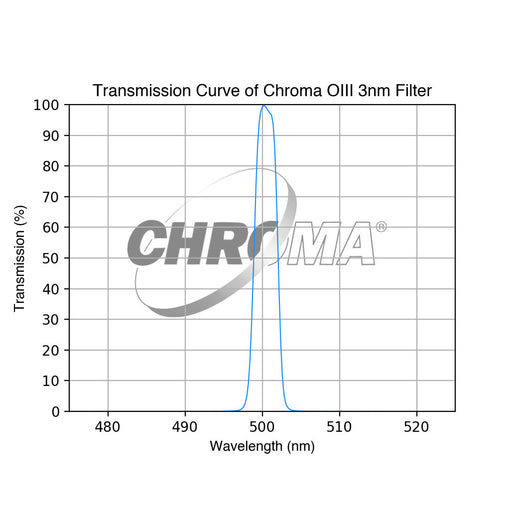
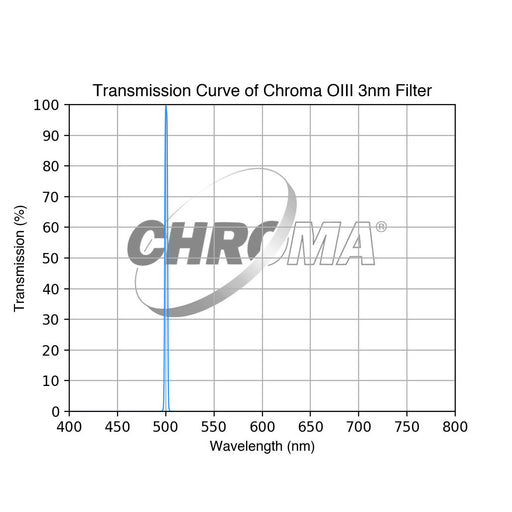
Chroma OIII Filter Optimized for f/3 - 3nm
Options available
Chroma’s OIII filters isolate the 500.7nm primary emission line of doubly ionized oxygen. After H-alpha, this is the next most common emission when...
View full details
Original price
CA$805.00
-
Original price
CA$2,170.00
Original price
CA$805.00
-
CA$2,170.00
CA$805.00
-
CA$2,170.00
Current price
CA$805.00

Original price
CA$385.00
-
Original price
CA$1,015.00
Original price
CA$385.00
-
CA$1,015.00
CA$385.00
-
CA$1,015.00
Current price
CA$385.00
Chroma R-Bessel Filter
Options available
Red photometric filter in UVBRI series Filters designed for use with CCD and for f/4.0 or slower No reflections leading to image distortions or ""b...
View full details
Original price
CA$385.00
-
Original price
CA$1,015.00
Original price
CA$385.00
-
CA$1,015.00
CA$385.00
-
CA$1,015.00
Current price
CA$385.00
Original price
CA$210.00
-
Original price
CA$700.00
Original price
CA$210.00
-
CA$700.00
CA$210.00
-
CA$700.00
Current price
CA$210.00
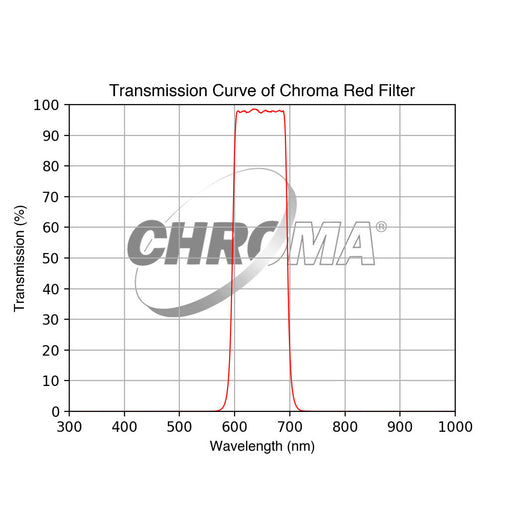
Chroma Red Filter
Options available
Red filter for color rendering with RGB set Filters designed for use with CCD and for f/4.0 or slower No reflections leading to image distortions o...
View full details
Original price
CA$210.00
-
Original price
CA$700.00
Original price
CA$210.00
-
CA$700.00
CA$210.00
-
CA$700.00
Current price
CA$210.00


Original price
CA$805.00
-
Original price
CA$2,170.00
Original price
CA$805.00
-
CA$2,170.00
CA$805.00
-
CA$2,170.00
Current price
CA$805.00
Chroma SII Filter - 3nm
Options available
SII filters isolate the spectral emission of singly ionized sulfur atoms, also common in nebulae. Emission is at two lines occurring as a doublet, ...
View full details
Original price
CA$805.00
-
Original price
CA$2,170.00
Original price
CA$805.00
-
CA$2,170.00
CA$805.00
-
CA$2,170.00
Current price
CA$805.00


Original price
CA$644.00
-
Original price
CA$1,932.00
Original price
CA$644.00
-
CA$1,932.00
CA$644.00
-
CA$1,932.00
Current price
CA$644.00
Chroma SII Filter - 5nm
Options available
SII filters isolate the spectral emission of singly ionized sulfur atoms, also common in nebulae. Emission is at two lines occurring as a doublet, ...
View full details
Original price
CA$644.00
-
Original price
CA$1,932.00
Original price
CA$644.00
-
CA$1,932.00
CA$644.00
-
CA$1,932.00
Current price
CA$644.00


Original price
CA$385.00
-
Original price
CA$1,162.00
Original price
CA$385.00
-
CA$1,162.00
CA$385.00
-
CA$1,162.00
Current price
CA$385.00
Chroma SII Filter - 8nm
Options available
SII filters isolate the spectral emission of singly ionized sulfur atoms, also common in nebulae. Emission is at two lines occurring as a doublet, ...
View full details
Original price
CA$385.00
-
Original price
CA$1,162.00
Original price
CA$385.00
-
CA$1,162.00
CA$385.00
-
CA$1,162.00
Current price
CA$385.00


Original price
CA$805.00
-
Original price
CA$2,170.00
Original price
CA$805.00
-
CA$2,170.00
CA$805.00
-
CA$2,170.00
Current price
CA$805.00
Chroma SII Filter Optimized for f/3 - 3nm
Options available
SII filters isolate the spectral emission of singly ionized sulfur atoms, also common in nebulae. Emission is at two lines occurring as a doublet, ...
View full details
Original price
CA$805.00
-
Original price
CA$2,170.00
Original price
CA$805.00
-
CA$2,170.00
CA$805.00
-
CA$2,170.00
Current price
CA$805.00
Original price
CA$385.00
-
Original price
CA$1,015.00
Original price
CA$385.00
-
CA$1,015.00
CA$385.00
-
CA$1,015.00
Current price
CA$385.00
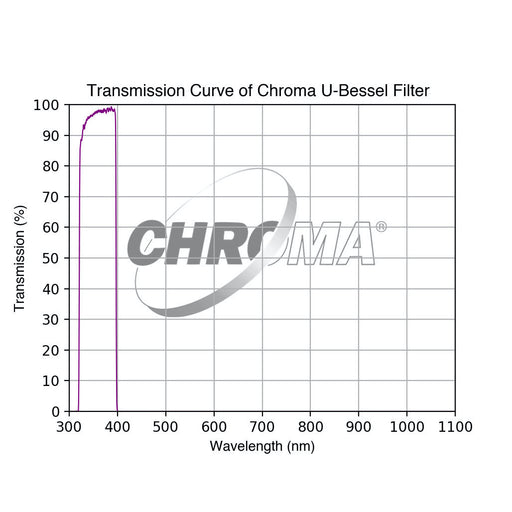
Chroma U-Bessel Filter
Options available
UV photometric filter in UVBRI series Filters designed for use with CCD and for f/4.0 or slower No reflections leading to image distortions or ""ba...
View full details
Original price
CA$385.00
-
Original price
CA$1,015.00
Original price
CA$385.00
-
CA$1,015.00
CA$385.00
-
CA$1,015.00
Current price
CA$385.00

Original price
CA$1,645.00
-
Original price
CA$4,795.00
Original price
CA$1,645.00
-
CA$4,795.00
CA$1,645.00
-
CA$4,795.00
Current price
CA$1,645.00
Chroma UBVRI Filter Set
Options available
UBVRI filter set for photometric imaging Filters designed for use with CCD and for f/4.0 or slower No reflections leading to image distortions or "...
View full details
Original price
CA$1,645.00
-
Original price
CA$4,795.00
Original price
CA$1,645.00
-
CA$4,795.00
CA$1,645.00
-
CA$4,795.00
Current price
CA$1,645.00
Original price
CA$385.00
-
Original price
CA$1,015.00
Original price
CA$385.00
-
CA$1,015.00
CA$385.00
-
CA$1,015.00
Current price
CA$385.00
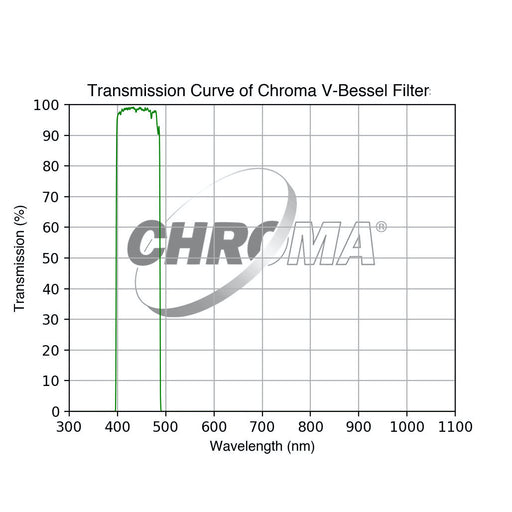
Chroma V-Bessel Filter
Options available
Green (Visible) photometric filter in UVBRI series Filters designed for use with CCD and for f/4.0 or slower No reflections leading to image distor...
View full details
Original price
CA$385.00
-
Original price
CA$1,015.00
Original price
CA$385.00
-
CA$1,015.00
CA$385.00
-
CA$1,015.00
Current price
CA$385.00

Original price
CA$48.00
-
Original price
CA$48.00
Original price
CA$48.00
CA$48.00
-
CA$48.00
Current price
CA$48.00
David Astro Planetary Color Filter Kit with Case - 1.25"
DAV-CF-1.25
Filter No.12 Filter No.21 Filter No.23A Filter No.56 Filter No.82 Moon & Sky filter
Original price
CA$48.00
-
Original price
CA$48.00
Original price
CA$48.00
CA$48.00
-
CA$48.00
Current price
CA$48.00
Sold out

Original price
CA$28.00
-
Original price
CA$28.00
Original price
CA$28.00
CA$28.00
-
CA$28.00
Current price
CA$28.00
David Astro Variable Polarizing Filter - 1.25"
DAV-VPOL-1.25
Only 3 left!
The Variable Polarizing Filter is an essential tool for astronomical observing, designed to enhance your viewing experience by reducing glare and c...
View full details
Original price
CA$28.00
-
Original price
CA$28.00
Original price
CA$28.00
CA$28.00
-
CA$28.00
Current price
CA$28.00

Original price
CA$175.00
-
Original price
CA$175.00
Original price
CA$175.00
CA$175.00
-
CA$175.00
Current price
CA$175.00
Daystar 2" UV/IR Filter
DAY-DSIUV2
2" Barrel Size Blocks Ultraviolet (UV) and Infrared (IR) Wavelengths Passes the Full Visible Spectrum Functions as an Essential Luminance (L) Filt...
View full details
Original price
CA$175.00
-
Original price
CA$175.00
Original price
CA$175.00
CA$175.00
-
CA$175.00
Current price
CA$175.00


Original price
CA$252.00
-
Original price
CA$252.00
Original price
CA$252.00
CA$252.00
-
CA$252.00
Current price
CA$252.00
Explore Scientific 2" Variable Polarizing Filter
ES-310250
2" Filter Barrel Size Continuously Variable Brightness Ideal for Lunar, Planetary, and Solar Observing Neutral Gray Color Rendition Stackable with...
View full details
Original price
CA$252.00
-
Original price
CA$252.00
Original price
CA$252.00
CA$252.00
-
CA$252.00
Current price
CA$252.00


Original price
CA$252.00
-
Original price
CA$252.00
Original price
CA$252.00
CA$252.00
-
CA$252.00
Current price
CA$252.00
Explore Scientific Dark-Sky Filter 77mm Slim
ES-310260
77mm Standard Filter Thread Slim Profile Prevents Vignetting Optimized for Wide-Angle Lenses Suppresses Sodium Vapor Streetlight Glow Enhances Con...
View full details
Original price
CA$252.00
-
Original price
CA$252.00
Original price
CA$252.00
CA$252.00
-
CA$252.00
Current price
CA$252.00
Original price
CA$153.99
-
Original price
CA$168.00
Original price
CA$153.99
-
CA$168.00
CA$153.99
-
CA$168.00
Current price
CA$153.99
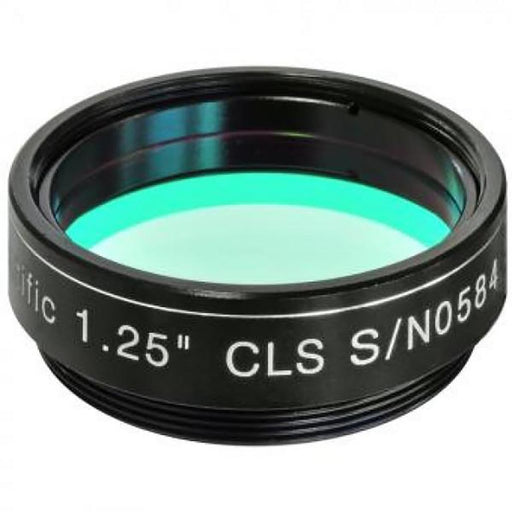
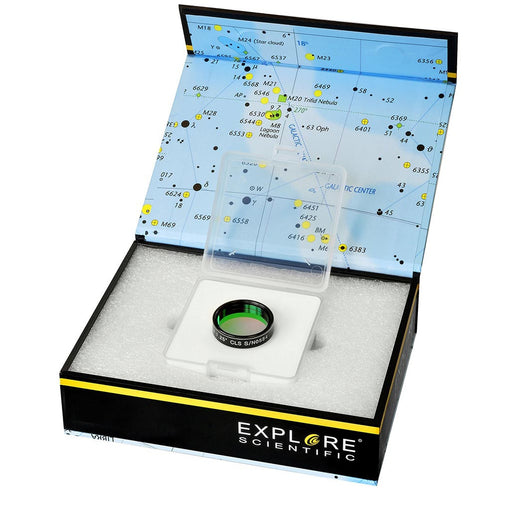
Explore Scientific Nebula Filter CLS - 1.25"
Options available
City Light Suppression (CLS) Filter Enhances Contrast for Deep-Sky Objects Available in 1.25" and 2" Sizes Ideal for Viewing Nebulae and Galaxies ...
View full details
Original price
CA$153.99
-
Original price
CA$168.00
Original price
CA$153.99
-
CA$168.00
CA$153.99
-
CA$168.00
Current price
CA$153.99


Original price
CA$224.00
-
Original price
CA$224.00
Original price
CA$224.00
CA$224.00
-
CA$224.00
Current price
CA$224.00
Explore Scientific Nebula Filter H-Alpha 1.25-inch 12nm
ES-310135
Targets Hydrogen-Alpha emission nebulae 12nm bandpass for astrophotography 1.25-inch standard filter size Drastically improves contrast under ligh...
View full details
Original price
CA$224.00
-
Original price
CA$224.00
Original price
CA$224.00
CA$224.00
-
CA$224.00
Current price
CA$224.00


Original price
CA$350.00
-
Original price
CA$350.00
Original price
CA$350.00
CA$350.00
-
CA$350.00
Current price
CA$350.00
Explore Scientific Nebula Filter H-Alpha 2-inch 12nm
ES-310130
Isolates the Hydrogen-alpha emission line at a 12nm bandpass Standard 2-inch filter format for modern focusers and filter wheels Dramatically incr...
View full details
Original price
CA$350.00
-
Original price
CA$350.00
Original price
CA$350.00
CA$350.00
-
CA$350.00
Current price
CA$350.00


Original price
CA$420.00
-
Original price
CA$420.00
Original price
CA$420.00
CA$420.00
-
CA$420.00
Current price
CA$420.00
Explore Scientific Nebula Filter H-Alpha 2-inch 7nm
ES-310140
7nm H-Alpha Bandpass 2-inch Filter Format Isolates Hydrogen Emission Nebulae Blocks Urban Light Pollution Includes Individual Test Report Descr...
View full details
Original price
CA$420.00
-
Original price
CA$420.00
Original price
CA$420.00
CA$420.00
-
CA$420.00
Current price
CA$420.00