
Off-Axis Guiders
Beyond roughly 800 mm of focal length, the flexure between a guide scope and a main telescope becomes larger than the error you are trying to correct — and guiding faithfully applies corrections for movement that never happened. An off-axis guider removes the problem entirely by taking its guide star from the main optical path. David Astro carries off-axis guiders in Canada, in stock and shipped from our Canadian warehouse.
Fitting one is a back-focus exercise, since the OAG consumes part of your spacing budget. Send us your camera, filter wheel and corrector and we will work out the stack.

Original price
CA$276.00
-
Original price
CA$276.00
Original price
CA$276.00
CA$276.00
-
CA$276.00
Current price
CA$276.00
Askar M54 Off-Axis Guider (OAG)
ASK-ASKAROAG
1 in stock
Large 10mm x 10mm guide prism M54, M48, and M42 adapters provide broad compatibility Optimized for full-frame cameras Rigid CNC-machined construct...
View full details
Original price
CA$276.00
-
Original price
CA$276.00
Original price
CA$276.00
CA$276.00
-
CA$276.00
Current price
CA$276.00
Original price
CA$178.00
-
Original price
CA$178.00
Original price
CA$178.00
CA$178.00
-
CA$178.00
Current price
CA$178.00
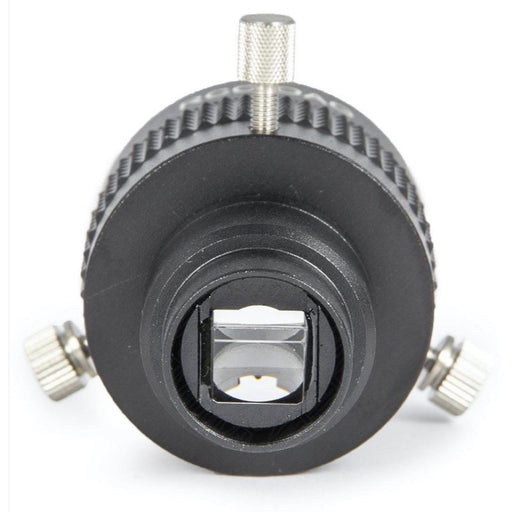
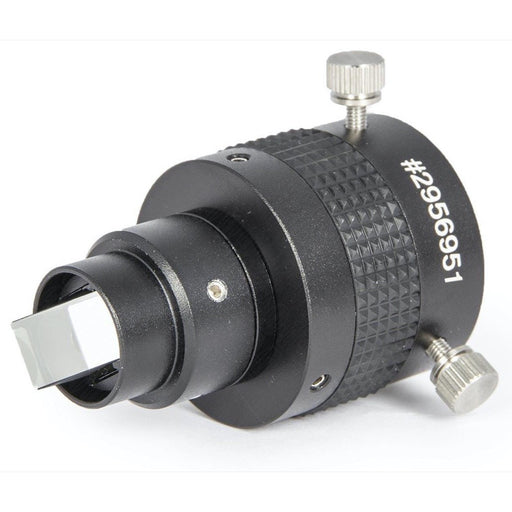
Baader Off Axis Guider for Baader FlipMirror II
BAA-2956951
1 in stock
Designed exclusively for the Baader FlipMirror II (BFM II) Attaches directly to the 19 mm bottom port Tunable prism allows for precise guide star ...
View full details
Original price
CA$178.00
-
Original price
CA$178.00
Original price
CA$178.00
CA$178.00
-
CA$178.00
Current price
CA$178.00
Original price
CA$244.00
-
Original price
CA$244.00
Original price
CA$244.00
CA$244.00
-
CA$244.00
Current price
CA$244.00
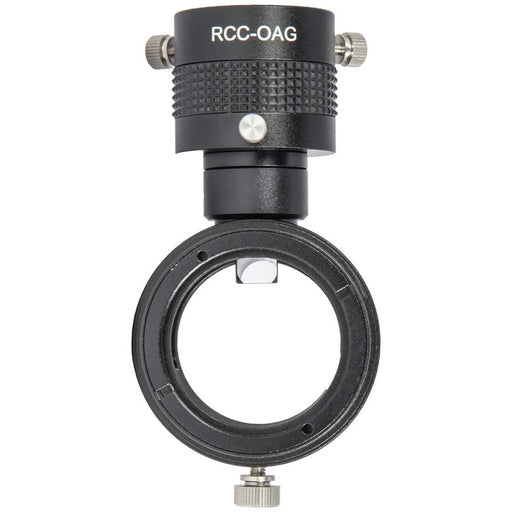
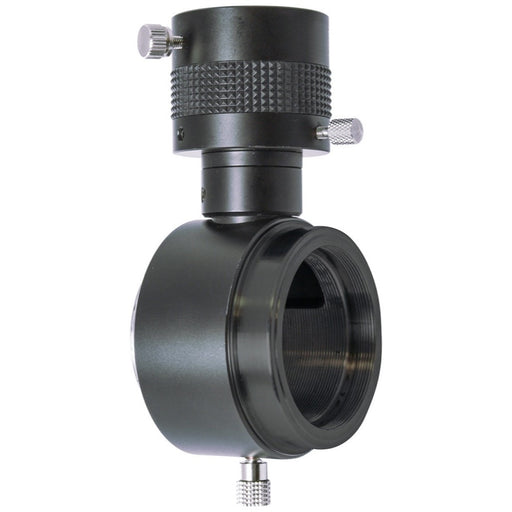
Baader Off-Axis Guider for RCC Coma Corrector
BAA-2956950
Tunable pick-off prism for guide star centering Designed for the Baader RCC Newtonian Coma Corrector Accepts standard 1 1/4" guide cameras and eye...
View full details
Original price
CA$244.00
-
Original price
CA$244.00
Original price
CA$244.00
CA$244.00
-
CA$244.00
Current price
CA$244.00
Original price
CA$486.00
-
Original price
CA$486.00
Original price
CA$486.00
CA$486.00
-
CA$486.00
Current price
CA$486.00
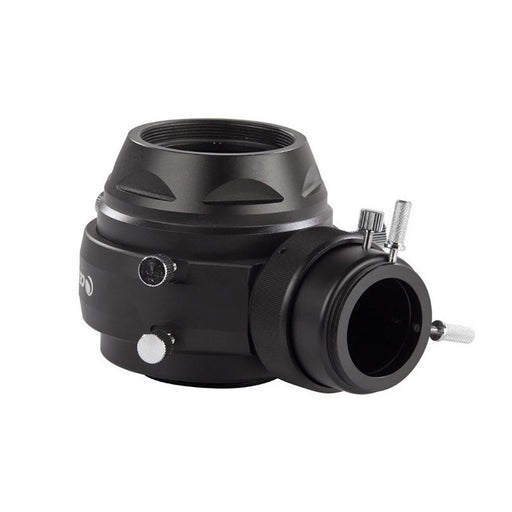
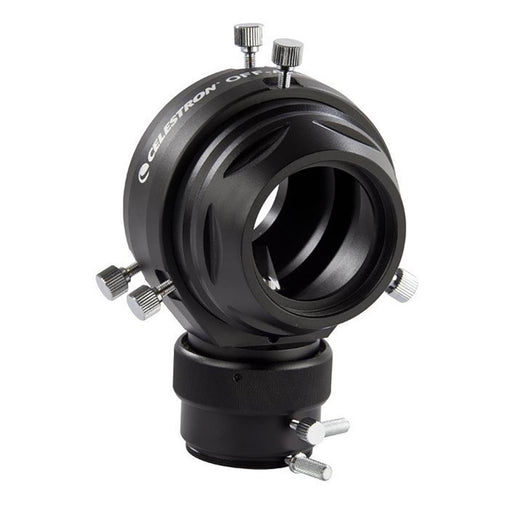
Celestron Off-Axis Guider
CEL-93648
1 in stock
Uses a 12.5 mm prism to intercept light from the telescope's optical path Large 48mm clear aperture minimizes vignetting 8 mm of travel on the hel...
View full details
Original price
CA$486.00
-
Original price
CA$486.00
Original price
CA$486.00
CA$486.00
-
CA$486.00
Current price
CA$486.00
Original price
CA$266.00
-
Original price
CA$266.00
Original price
CA$266.00
CA$266.00
-
CA$266.00
Current price
CA$266.00
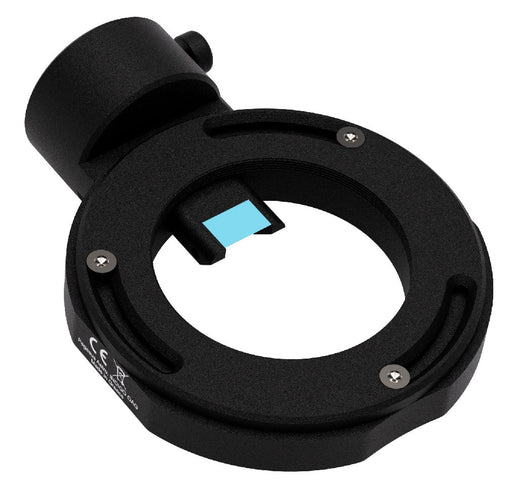
Pegasus Indigo OAG
PEG-INDIGOOAG
1 in stock
Pegasus Indigo OAG
Original price
CA$266.00
-
Original price
CA$266.00
Original price
CA$266.00
CA$266.00
-
CA$266.00
Current price
CA$266.00

Original price
CA$278.00
-
Original price
CA$278.00
Original price
CA$278.00
CA$278.00
-
CA$278.00
Current price
CA$278.00
Player One FHD-OAG MAX
POA-OAG-MAX
2 in stock
Large 8mm x 14mm Pick-off Prism Wide 16:9 Format Matches Modern Guide Sensors Designed for Player One MAX Filter Drawer Supports Poseidon, Zeus, a...
View full details
Original price
CA$278.00
-
Original price
CA$278.00
Original price
CA$278.00
CA$278.00
-
CA$278.00
Current price
CA$278.00

Original price
CA$264.00
-
Original price
CA$264.00
Original price
CA$264.00
CA$264.00
-
CA$264.00
Current price
CA$264.00
Player One FHD-OAG MINI
POA-OAG-MINI
1 in stock
8x14mm Pick-off Prism 16:9 Aspect Ratio for FHD Sensors Optimized for Ares and Xena Series Cameras Designed for Player One Filter Drawer MINI Comp...
View full details
Original price
CA$264.00
-
Original price
CA$264.00
Original price
CA$264.00
CA$264.00
-
CA$264.00
Current price
CA$264.00
Original price
CA$252.00
-
Original price
CA$392.00
Original price
CA$252.00
-
CA$392.00
CA$252.00
-
CA$392.00
Current price
CA$252.00
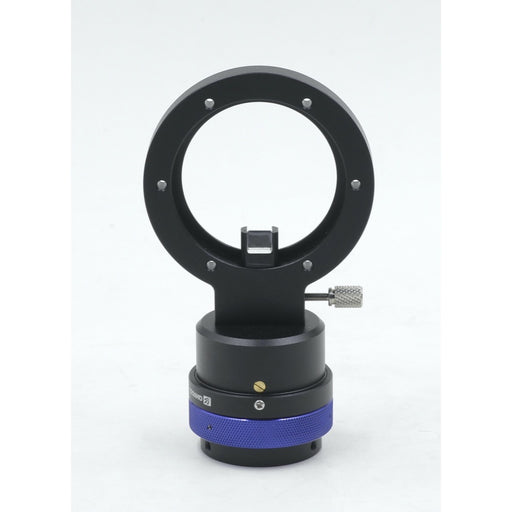
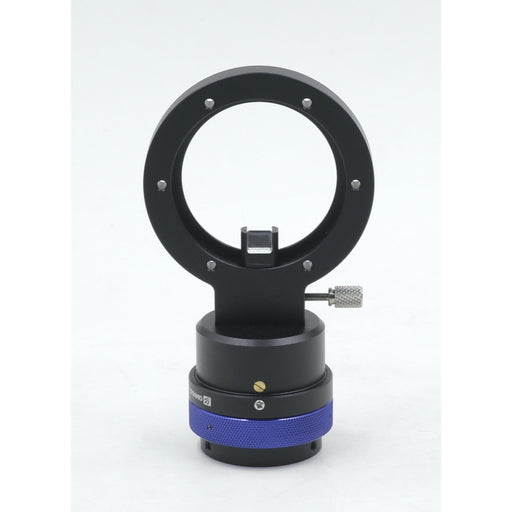
QHYCCD OAG
Options available
2 variants in stock
Integrated helical focuser for precise guide camera adjustment Rigid, single-path design eliminates flexure from a separate guidescope Locking thu...
View full details
Original price
CA$252.00
-
Original price
CA$392.00
Original price
CA$252.00
-
CA$392.00
CA$252.00
-
CA$392.00
Current price
CA$252.00
Original price
CA$863.00
-
Original price
CA$863.00
Original price
CA$863.00
CA$863.00
-
CA$863.00
Current price
CA$863.00
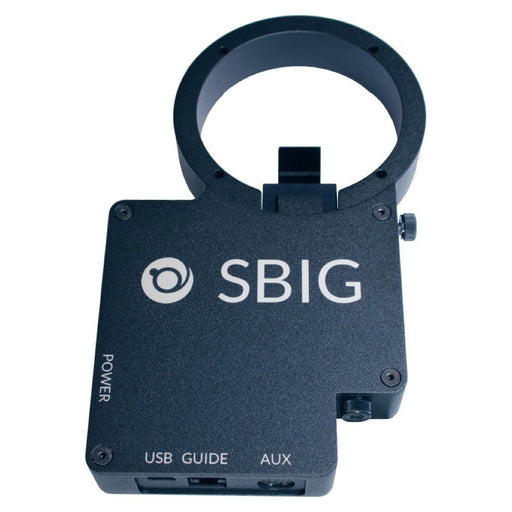
SBIG OAG-8300 Off Axis Guider
DL-OAG-8300
#N/A
Original price
CA$863.00
-
Original price
CA$863.00
Original price
CA$863.00
CA$863.00
-
CA$863.00
Current price
CA$863.00
Original price
CA$1,429.00
-
Original price
CA$1,429.00
Original price
CA$1,429.00
CA$1,429.00
-
CA$1,429.00
Current price
CA$1,429.00
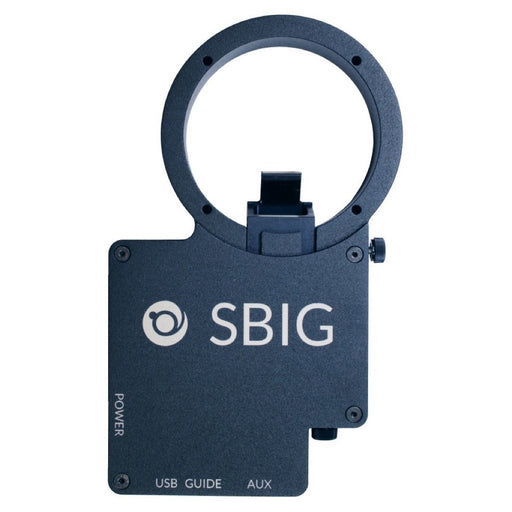
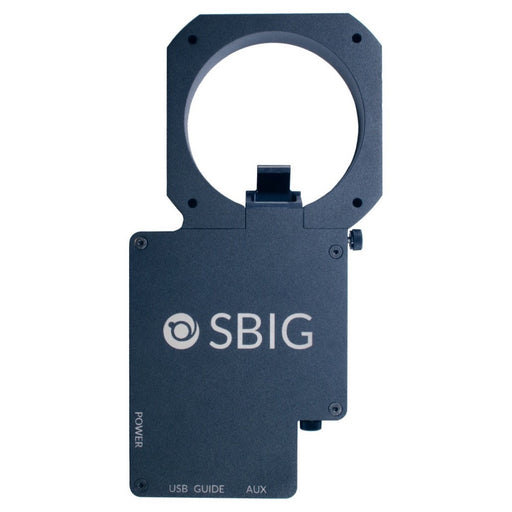
SBIG StarChaser SC-2 Off Axis Guider Camera - STF, Aluma and STC series
DL-SC-2
The SBIG StarChaser is the world’s first all-in-one off-axis guider with built-in camera and integrated AO support. Comes complete with MaxIm LT so...
View full details
Original price
CA$1,429.00
-
Original price
CA$1,429.00
Original price
CA$1,429.00
CA$1,429.00
-
CA$1,429.00
Current price
CA$1,429.00
Original price
CA$1,849.00
-
Original price
CA$1,849.00
Original price
CA$1,849.00
CA$1,849.00
-
CA$1,849.00
Current price
CA$1,849.00
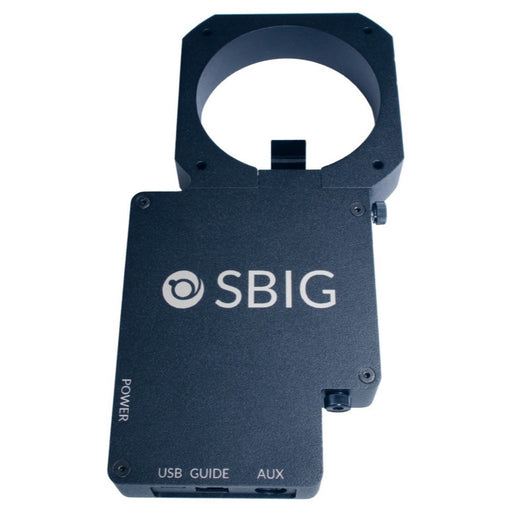
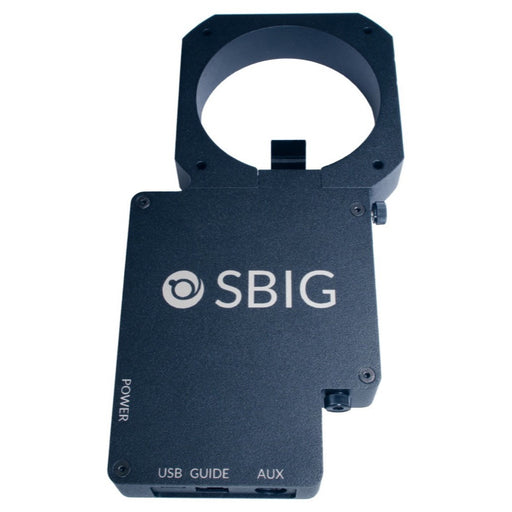
SBIG StarChaser SC-3 Off Axis Guider Camera - STX series
DL-SC-3
The SBIG StarChaser is the world’s first all-in-one off-axis guider with built-in camera and integrated AO support. Comes complete with MaxIm LT so...
View full details
Original price
CA$1,849.00
-
Original price
CA$1,849.00
Original price
CA$1,849.00
CA$1,849.00
-
CA$1,849.00
Current price
CA$1,849.00
Original price
CA$1,849.00
-
Original price
CA$1,849.00
Original price
CA$1,849.00
CA$1,849.00
-
CA$1,849.00
Current price
CA$1,849.00
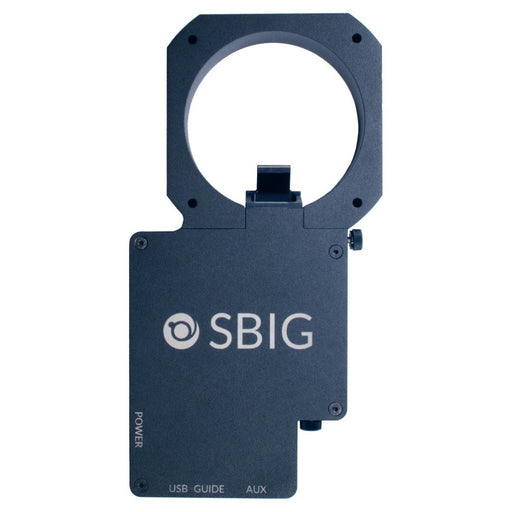
SBIG StarChaser SC-4 Off Axis Guider Camera - STXL and Aluma AC series
DL-SC-4
The SBIG StarChaser is the world’s first all-in-one off-axis guider with built-in camera and integrated AO support. Comes complete with MaxIm LT so...
View full details
Original price
CA$1,849.00
-
Original price
CA$1,849.00
Original price
CA$1,849.00
CA$1,849.00
-
CA$1,849.00
Current price
CA$1,849.00


Original price
CA$543.00
-
Original price
CA$543.00
Original price
CA$543.00
CA$543.00
-
CA$543.00
Current price
CA$543.00
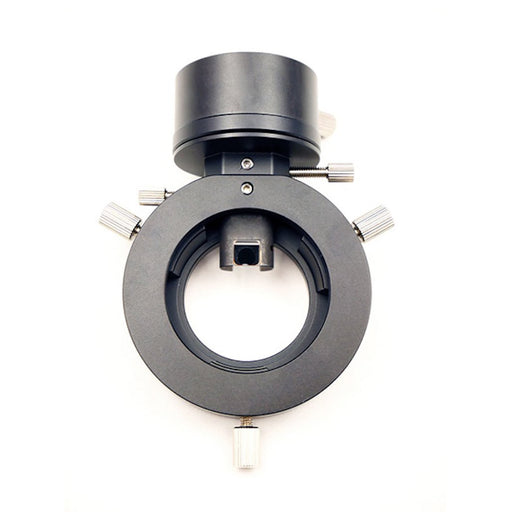
William Optics Elite Drawer OAG Kit
WO-M-OAG-ED
4 in stock
Integrates Off-Axis Guider and Filter Drawer 37.5 mm Optical Length Supports M48, M54, and M68 Connections Magnetic M48 Filter Holder 336 g (11.85...
View full details
Original price
CA$543.00
-
Original price
CA$543.00
Original price
CA$543.00
CA$543.00
-
CA$543.00
Current price
CA$543.00
Original price
CA$179.00
-
Original price
CA$179.00
Original price
CA$179.00
CA$179.00
-
CA$179.00
Current price
CA$179.00
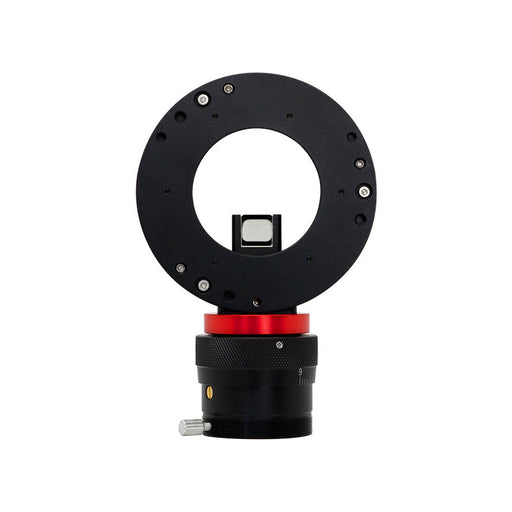
ZWO OAG
ZWO-OAG
6 in stock
Eliminates Differential Flexure Reduces Overall System Weight Includes 1.25" Guide Camera Holder 5mm T2 Extender for Spacing Adjustment M42 and M4...
View full details
Original price
CA$179.00
-
Original price
CA$179.00
Original price
CA$179.00
CA$179.00
-
CA$179.00
Current price
CA$179.00
Original price
CA$279.00
-
Original price
CA$279.00
Original price
CA$279.00
CA$279.00
-
CA$279.00
Current price
CA$279.00
ZWO OAG-L
ZWO-OAG-L
3 in stock
Large 12mm x 12mm prism for brighter guide stars M68, M54, and M48 connection options 17.5mm thickness preserves 55mm backfocus Designed for ZWO A...
View full details
Original price
CA$279.00
-
Original price
CA$279.00
Original price
CA$279.00
CA$279.00
-
CA$279.00
Current price
CA$279.00