
Filters
A filter decides what light reaches your sensor or your eye, and under Canadian suburban skies that decision often matters more than aperture. The right narrowband filter can make a nebula imageable from a driveway that visually shows almost nothing. David Astro carries filters in Canada — narrowband, LRGB, light pollution, planetary, solar and scientific — in 1.25", 2", 31 mm, 36 mm and unmounted formats, shipped from Canadian stock.
Filter selection is where our team spends a lot of time, because bandwidth, f-ratio and sensor size interact in ways that are not obvious from a product page. Tell us your telescope and camera and we will recommend a set that works together.
Original price
CA$251.99
-
Original price
CA$251.99
Original price
CA$251.99
CA$251.99
-
CA$251.99
Current price
CA$251.99
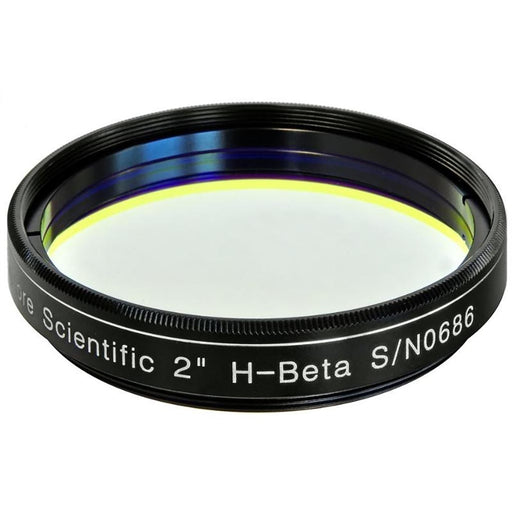
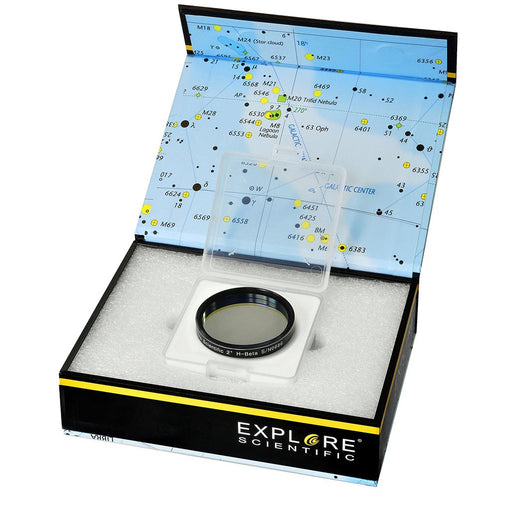
Explore Scientific Nebula Filter H-Beta - 2.0"
ES-310230
2.0-inch Barrel Size Isolates Hydrogen-Beta (H-Beta) Emission Line Dramatically Increases Contrast on Specific Nebulae Blocks Artificial Light Pol...
View full details
Original price
CA$251.99
-
Original price
CA$251.99
Original price
CA$251.99
CA$251.99
-
CA$251.99
Current price
CA$251.99


Original price
CA$224.00
-
Original price
CA$224.00
Original price
CA$224.00
CA$224.00
-
CA$224.00
Current price
CA$224.00
Explore Scientific Nebula Filter S-II 1.25-inch 12nm
ES-310115
Isolates the ionized sulfur (S-II) emission line at 672nm Features a 12nm bandpass to increase contrast Standard 1.25-inch filter format Ideal for...
View full details
Original price
CA$224.00
-
Original price
CA$224.00
Original price
CA$224.00
CA$224.00
-
CA$224.00
Current price
CA$224.00


Original price
CA$280.00
-
Original price
CA$280.00
Original price
CA$280.00
CA$280.00
-
CA$280.00
Current price
CA$280.00
Explore Scientific Nebula Filter S-II 1.25-inch 6.5nm
ES-310125
Isolates the ionized sulfur (S-II) emission line at 672nm Ultra-narrow 6.5nm bandpass for maximum contrast Standard 1.25-inch barrel size fits mos...
View full details
Original price
CA$280.00
-
Original price
CA$280.00
Original price
CA$280.00
CA$280.00
-
CA$280.00
Current price
CA$280.00


Original price
CA$350.00
-
Original price
CA$350.00
Original price
CA$350.00
CA$350.00
-
CA$350.00
Current price
CA$350.00
Explore Scientific Nebula Filter S-II 2-inch 12nm
ES-310110
Isolates the 672nm Sulfur-II (S-II) emission line 12nm bandpass for high-contrast views 2-inch filter size with standard threads Blocks light poll...
View full details
Original price
CA$350.00
-
Original price
CA$350.00
Original price
CA$350.00
CA$350.00
-
CA$350.00
Current price
CA$350.00


Original price
CA$420.00
-
Original price
CA$420.00
Original price
CA$420.00
CA$420.00
-
CA$420.00
Current price
CA$420.00
Explore Scientific Nebula Filter S-II 2-inch 6.5nm
ES-310120
6.5nm Narrow Bandpass Targets the 672nm Ionized Sulfur (S-II) Emission Line 2-inch Barrel Diameter for Larger Focusers Drastically Increases Contr...
View full details
Original price
CA$420.00
-
Original price
CA$420.00
Original price
CA$420.00
CA$420.00
-
CA$420.00
Current price
CA$420.00
Original price
CA$69.99
-
Original price
CA$69.99
Original price
CA$69.99
CA$69.99
-
CA$69.99
Current price
CA$69.99
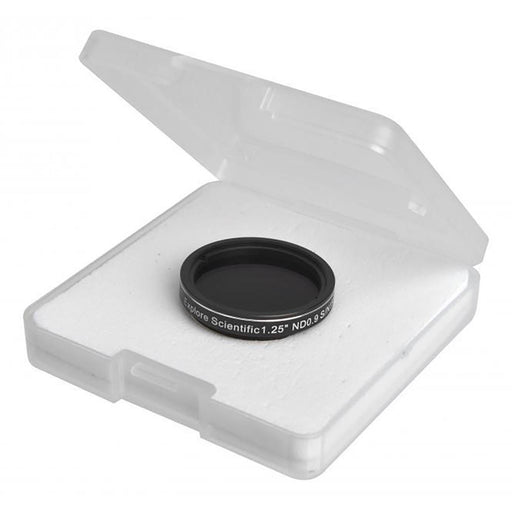
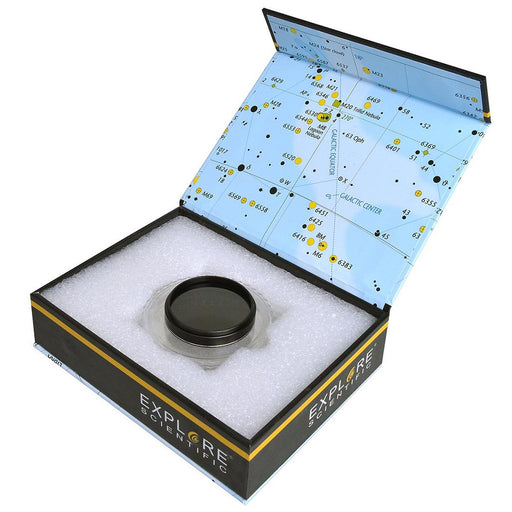
Explore Scientific Neutral Density Filter ND 0.9 - 1.25"
ES-310245
1 in stock
ND 0.9 Optical Density 1.25" Barrel Diameter Reduces Glare for Lunar Observing Aids in Splitting Unequal Double Stars Uniform Light Transmission A...
View full details
Original price
CA$69.99
-
Original price
CA$69.99
Original price
CA$69.99
CA$69.99
-
CA$69.99
Current price
CA$69.99
Original price
CA$418.00
-
Original price
CA$418.00
Original price
CA$418.00
CA$418.00
-
CA$418.00
Current price
CA$418.00
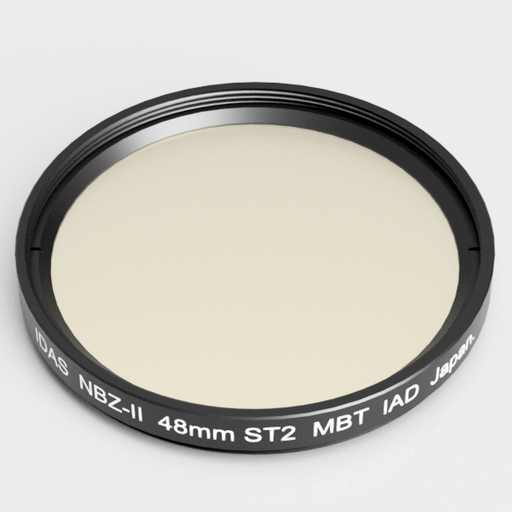
IDAS NBZ-II HA OIII Nebula Booster Filter
IDA-NBZ-II-48ST2
2" OIII 8nm (+/-0.4nm) H-alpha 9.5nm (+/- 0.4nm) (originally designed at 10nm, but on a measured basis, it's 9.5nm.)
Original price
CA$418.00
-
Original price
CA$418.00
Original price
CA$418.00
CA$418.00
-
CA$418.00
Current price
CA$418.00

Original price
CA$20.00
-
Original price
CA$20.00
Original price
CA$20.00
CA$20.00
-
CA$20.00
Current price
CA$20.00
iOptron Green Moon Filter
IOP-TFE100
Enhances contrast on lunar and planetary features Reduces glare for more comfortable viewing Improves detail in Martian polar caps and dust storms...
View full details
Original price
CA$20.00
-
Original price
CA$20.00
Original price
CA$20.00
CA$20.00
-
CA$20.00
Current price
CA$20.00

Original price
CA$307.00
-
Original price
CA$307.00
Original price
CA$307.00
CA$307.00
-
CA$307.00
Current price
CA$307.00
iOptron LRGB Imaging Filter Kit - 1.25"
IOP-3383-LRGB
Complete LRGB Filter Set Includes Luminance, Red, Green, and Blue Filters Standard 1.25" Filter Size Threaded for Standard Filter Wheels and Acces...
View full details
Original price
CA$307.00
-
Original price
CA$307.00
Original price
CA$307.00
CA$307.00
-
CA$307.00
Current price
CA$307.00
Original price
CA$82.00
-
Original price
CA$85.00
Original price
CA$82.00
-
CA$85.00
CA$82.00
-
CA$85.00
Current price
CA$82.00
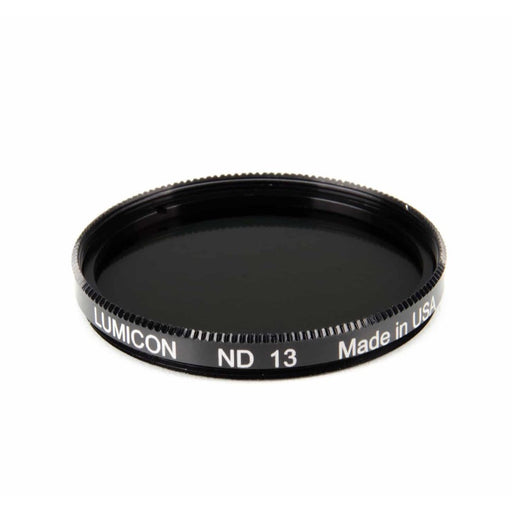
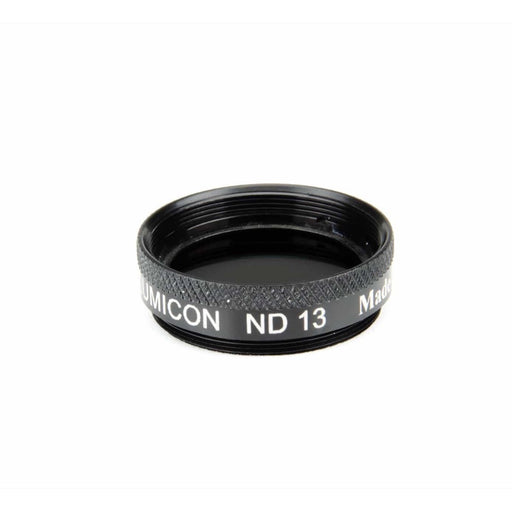
Lumicon Neutral Density Filter
Options available
1 variants in stock
ND13Lumicon Neutral Density 13 Filter will tone down the glare from the full Moon and allow more planetary detail than ever! Lumicon ND13 transmits...
View full details
Original price
CA$82.00
-
Original price
CA$85.00
Original price
CA$82.00
-
CA$85.00
CA$82.00
-
CA$85.00
Current price
CA$82.00
Original price
CA$36.00
-
Original price
CA$45.00
Original price
CA$36.00
-
CA$45.00
CA$36.00
-
CA$45.00
Current price
CA$36.00
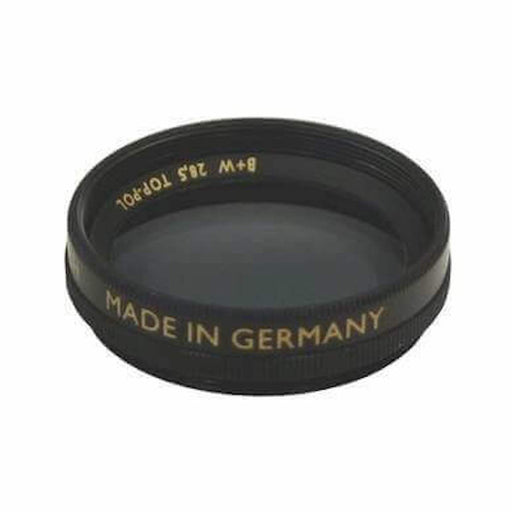
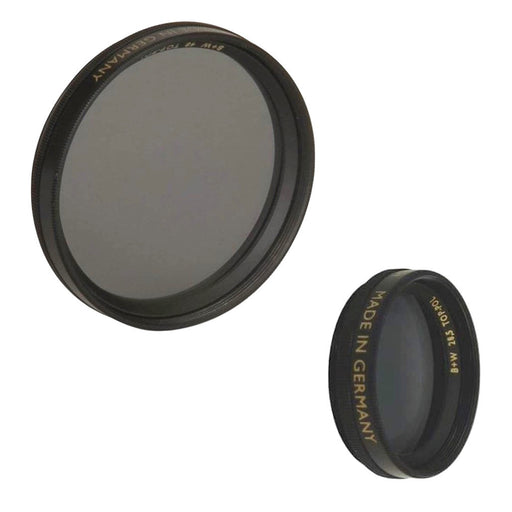
Lunt Polarizing Filter
Options available
Variable brightness control for solar viewing Available in 1.25" and 2" barrel sizes Threads directly onto standard eyepieces Engineered for use w...
View full details
Original price
CA$36.00
-
Original price
CA$45.00
Original price
CA$36.00
-
CA$45.00
CA$36.00
-
CA$45.00
Current price
CA$36.00


Original price
CA$139.00
-
Original price
CA$287.00
Original price
CA$139.00
-
CA$287.00
CA$139.00
-
CA$287.00
Current price
CA$139.00
Optolong Clear Sky Light Pollution Filter
Options available
Suppresses common sources of urban light pollution Enhances contrast for deep-sky objects Improves natural color balance in astrophotography Durab...
View full details
Original price
CA$139.00
-
Original price
CA$287.00
Original price
CA$139.00
-
CA$287.00
CA$139.00
-
CA$287.00
Current price
CA$139.00


Original price
CA$77.00
-
Original price
CA$119.00
Original price
CA$77.00
-
CA$119.00
CA$77.00
-
CA$119.00
Current price
CA$77.00
Optolong CLS Light Pollution Filter
Options available
Suppresses common light pollution sources Average transmission greater than 90% on key nebula emission lines Blocks light pollution lines with >...
View full details
Original price
CA$77.00
-
Original price
CA$119.00
Original price
CA$77.00
-
CA$119.00
CA$77.00
-
CA$119.00
Current price
CA$77.00


Original price
CA$133.00
-
Original price
CA$223.00
Original price
CA$133.00
-
CA$223.00
CA$133.00
-
CA$223.00
Current price
CA$133.00
Optolong CLS-CCD Light Pollution Filter
Options available
Blocks >99% of primary light pollution emission lines Achieves >90% average transmission on key nebula wavelengths Integrated 300-1100nm UV/...
View full details
Original price
CA$133.00
-
Original price
CA$223.00
Original price
CA$133.00
-
CA$223.00
CA$133.00
-
CA$223.00
Current price
CA$133.00

Original price
CA$474.00
-
Original price
CA$586.00
Original price
CA$474.00
-
CA$586.00
CA$474.00
-
CA$586.00
Current price
CA$474.00
Optolong H-alpha 3nm Narrowband Filter
Options available
1 variants in stock
3nm Bandpass at 656nm Wavelength Maximizes Contrast for Emission Nebulae Extreme Rejection of Light Pollution and Skyglow Ion-Assisted, Anti-Refle...
View full details
Original price
CA$474.00
-
Original price
CA$586.00
Original price
CA$474.00
-
CA$586.00
CA$474.00
-
CA$586.00
Current price
CA$474.00


Original price
CA$223.00
-
Original price
CA$321.00
Original price
CA$223.00
-
CA$321.00
CA$223.00
-
CA$321.00
Current price
CA$223.00
Optolong H-Alpha 7nm Narrowband Filter
Options available
3 variants in stock
Isolates the 656nm Hydrogen-alpha emission line 7nm bandpass for maximum contrast Blocks mercury vapor, sodium vapor, and natural skyglow Ideal fo...
View full details
Original price
CA$223.00
-
Original price
CA$321.00
Original price
CA$223.00
-
CA$321.00
CA$223.00
-
CA$321.00
Current price
CA$223.00


Original price
CA$651.00
-
Original price
CA$937.00
Original price
CA$651.00
-
CA$937.00
CA$651.00
-
CA$937.00
Current price
CA$651.00
Optolong Ha 7nm, OIII 6.5nm & SII 6.5nm Filter Set
Options available
H-alpha Filter: 7nm Bandpass centered at 656nm Oxygen-III Filter: 6.5nm Bandpass centered at 500nm Sulphur-II Filter: 6.5nm Bandpass Hubble Pa...
View full details
Original price
CA$651.00
-
Original price
CA$937.00
Original price
CA$651.00
-
CA$937.00
CA$651.00
-
CA$937.00
Current price
CA$651.00


Original price
CA$1,344.00
-
Original price
CA$1,679.00
Original price
CA$1,344.00
-
CA$1,679.00
CA$1,344.00
-
CA$1,679.00
Current price
CA$1,344.00
Optolong Ha, OIII & SII 3nm Narrowband Filter Set
Options available
Complete SHO set includes H-alpha, OIII, and SII filters Ultra-narrow 3nm bandpass for maximum contrast Isolates 656nm Ha and 500nm OIII emission ...
View full details
Original price
CA$1,344.00
-
Original price
CA$1,679.00
Original price
CA$1,344.00
-
CA$1,679.00
CA$1,344.00
-
CA$1,679.00
Current price
CA$1,344.00

Original price
CA$110.00
-
Original price
CA$161.00
Original price
CA$110.00
-
CA$161.00
CA$110.00
-
CA$161.00
Current price
CA$110.00
Optolong IR Pass 685nm Planetary Filter
Options available
3 variants in stock
Passes infrared light above 685nm Achieves greater than 90% peak transmission Blocks wavelengths from 350-1050nm outside the passband 1.85mm thick...
View full details
Original price
CA$110.00
-
Original price
CA$161.00
Original price
CA$110.00
-
CA$161.00
CA$110.00
-
CA$161.00
Current price
CA$110.00


Original price
CA$251.00
-
Original price
CA$363.00
Original price
CA$251.00
-
CA$363.00
CA$251.00
-
CA$363.00
Current price
CA$251.00
Optolong L-Enhance Filter
Options available
7 variants in stock
Dual-bandpass filter isolates H-Alpha, H-Beta, and OIII emission lines Peak transmission of over 90% for maximum signal Blocks over 99% of light p...
View full details
Original price
CA$251.00
-
Original price
CA$363.00
Original price
CA$251.00
-
CA$363.00
CA$251.00
-
CA$363.00
Current price
CA$251.00

Original price
CA$796.00
-
Original price
CA$796.00
Original price
CA$796.00
CA$796.00
-
CA$796.00
Current price
CA$796.00
Optolong L-Extreme + L-Synergy L2 Dual-Combo Filter Set - 2"
OPT-L2-COMBO
3 in stock
Includes L-eXtreme (H-alpha + OIII) and L-Synergy (SII + OIII) filters Enables Hubble Palette (SHO) imaging with one-shot color cameras Captures t...
View full details
Original price
CA$796.00
-
Original price
CA$796.00
Original price
CA$796.00
CA$796.00
-
CA$796.00
Current price
CA$796.00

Original price
CA$335.00
-
Original price
CA$432.00
Original price
CA$335.00
-
CA$432.00
CA$335.00
-
CA$432.00
Current price
CA$335.00
Optolong L-Extreme Filter
Options available
8 variants in stock
Narrow dual-bandpass filter for H-Alpha and OIII Blocks >99% of light pollution emission lines Peak transmission of >90% at critical wavelen...
View full details
Original price
CA$335.00
-
Original price
CA$432.00
Original price
CA$335.00
-
CA$432.00
CA$335.00
-
CA$432.00
Current price
CA$335.00

Original price
CA$362.00
-
Original price
CA$362.00
Original price
CA$362.00
CA$362.00
-
CA$362.00
Current price
CA$362.00
Optolong L-Para HA/OIII 10nm Filter - 2"
OPT-AS100221
5 in stock
Dual Narrowband H-Alpha & OIII Filter Suppresses Mercury, Sodium & LED Light Pollution Optimized for Fast-Ratio Systems (RASA, HyperStar) ...
View full details
Original price
CA$362.00
-
Original price
CA$362.00
Original price
CA$362.00
CA$362.00
-
CA$362.00
Current price
CA$362.00

Original price
CA$419.00
-
Original price
CA$419.00
Original price
CA$419.00
CA$419.00
-
CA$419.00
Current price
CA$419.00
Optolong L-Pro + UHC Clip Filter Kit
Options available
Two Optolong Clip-in Light Pollution Filters in One Kit L-Pro: Multi-Bandpass Suppression Across 380-750nm UHC: >99% Blocking of Mercury and So...
View full details
Original price
CA$419.00
-
Original price
CA$419.00
Original price
CA$419.00
CA$419.00
-
CA$419.00
Current price
CA$419.00