
Filters
A filter decides what light reaches your sensor or your eye, and under Canadian suburban skies that decision often matters more than aperture. The right narrowband filter can make a nebula imageable from a driveway that visually shows almost nothing. David Astro carries filters in Canada — narrowband, LRGB, light pollution, planetary, solar and scientific — in 1.25", 2", 31 mm, 36 mm and unmounted formats, shipped from Canadian stock.
Filter selection is where our team spends a lot of time, because bandwidth, f-ratio and sensor size interact in ways that are not obvious from a product page. Tell us your telescope and camera and we will recommend a set that works together.
Original price
CA$199.00
-
Original price
CA$377.00
Original price
CA$199.00
-
CA$377.00
CA$199.00
-
CA$377.00
Current price
CA$199.00
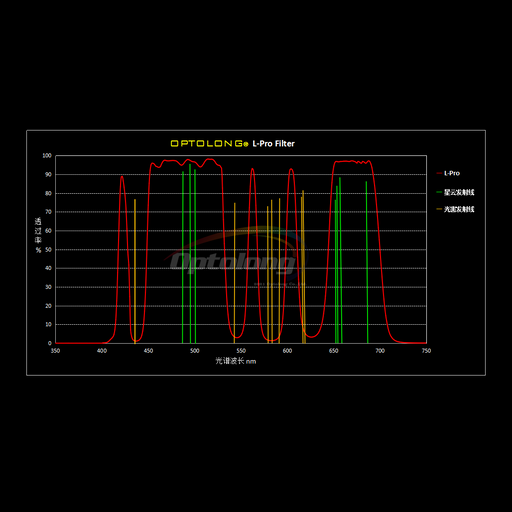
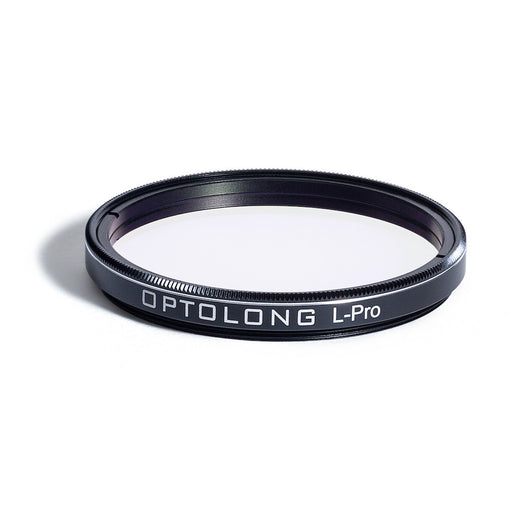
Optolong L-Pro Filter
Options available
13 variants in stock
Multi-Bandpass Light Pollution Suppression Effective Spectrum from 380-750nm Maintains Natural Color Balance on Broadband Targets High Transmissio...
View full details
Original price
CA$199.00
-
Original price
CA$377.00
Original price
CA$199.00
-
CA$377.00
CA$199.00
-
CA$377.00
Current price
CA$199.00
Original price
CA$558.00
-
Original price
CA$558.00
Original price
CA$558.00
CA$558.00
-
CA$558.00
Current price
CA$558.00
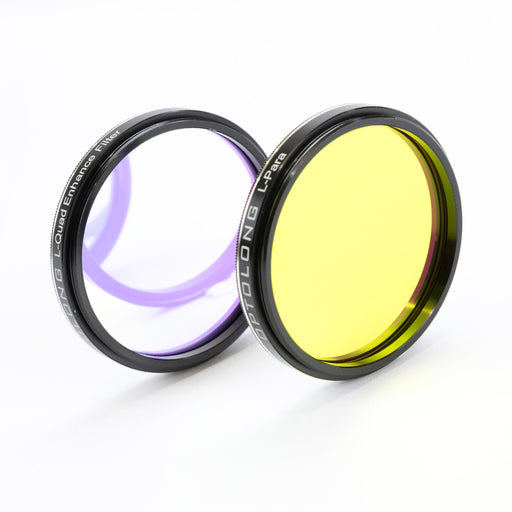
Optolong L-Quad Enhance + L-Para L1 Dual-Combo Filter Set - 2"
OPT-L1-SET
4 in stock
L-Quad Enhance Filter: A quad-bandpass filter designed for balanced RGB color from broadband targets. L-Para L1 Filter: A dual-narrowband filter...
View full details
Original price
CA$558.00
-
Original price
CA$558.00
Original price
CA$558.00
CA$558.00
-
CA$558.00
Current price
CA$558.00


Original price
CA$278.00
-
Original price
CA$278.00
Original price
CA$278.00
CA$278.00
-
CA$278.00
Current price
CA$278.00
Optolong L-Quad Enhance Filter
OPT-14702
4 in stock
Quad-bandpass design for color cameras Suppresses light pollution with OD2-OD4 blocking depth Maintains sharpness with a λ/4 transmitted wavefront...
View full details
Original price
CA$278.00
-
Original price
CA$278.00
Original price
CA$278.00
CA$278.00
-
CA$278.00
Current price
CA$278.00

Original price
CA$432.00
-
Original price
CA$432.00
Original price
CA$432.00
CA$432.00
-
CA$432.00
Current price
CA$432.00
Optolong L-Synergy 7nm SII/OIII Dual Narrowband Filter
OPT-LSYNERGY
3 in stock
Captures Sulfur-II and Oxygen-III Emission Lines Simultaneously Engineered for Hubble Palette (SHO) Imaging with Color Cameras Strict 7nm Bandpass...
View full details
Original price
CA$432.00
-
Original price
CA$432.00
Original price
CA$432.00
CA$432.00
-
CA$432.00
Current price
CA$432.00


Original price
CA$404.00
-
Original price
CA$545.00
Original price
CA$404.00
-
CA$545.00
CA$404.00
-
CA$545.00
Current price
CA$404.00
Optolong L-Ultimate Ha/OIII 3nm Filter
Options available
14 variants in stock
Dual 3nm bandpass isolates Hydrogen-alpha and Oxygen-III emission lines Blocks light pollution across the 300-1000nm spectrum Greater than OD4 blo...
View full details
Original price
CA$404.00
-
Original price
CA$545.00
Original price
CA$404.00
-
CA$545.00
CA$404.00
-
CA$545.00
Current price
CA$404.00

Original price
CA$517.00
-
Original price
CA$797.00
Original price
CA$517.00
-
CA$797.00
CA$517.00
-
CA$797.00
Current price
CA$517.00
Optolong LRGB + H-Alpha 7nm Filter Set
Options available
Complete 5-Filter LRGB and H-Alpha Set 7nm H-Alpha Filter Centered at 656.3nm Blocks 589nm Sodium Light Pollution Line High Transmission for Natur...
View full details
Original price
CA$517.00
-
Original price
CA$797.00
Original price
CA$517.00
-
CA$797.00
CA$517.00
-
CA$797.00
Current price
CA$517.00
Original price
CA$349.00
-
Original price
CA$503.00
Original price
CA$349.00
-
CA$503.00
CA$349.00
-
CA$503.00
Current price
CA$349.00
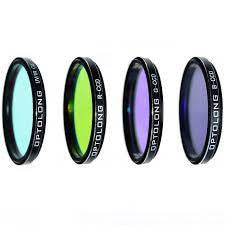
Optolong LRGB Filter Set
Options available
9 variants in stock
Complete 4-filter LRGB set for monochrome cameras High average transmission of over 90% for maximum signal Blocks sodium light pollution at 589nm ...
View full details
Original price
CA$349.00
-
Original price
CA$503.00
Original price
CA$349.00
-
CA$503.00
CA$349.00
-
CA$503.00
Current price
CA$349.00
Original price
CA$931.00
-
Original price
CA$1,413.00
Original price
CA$931.00
-
CA$1,413.00
CA$931.00
-
CA$1,413.00
Current price
CA$931.00
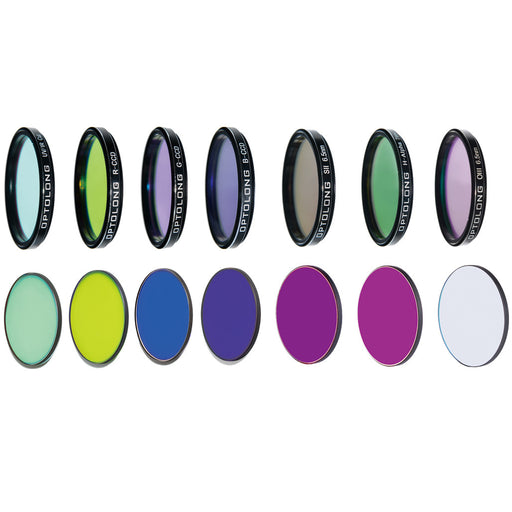
Optolong LRGB, Ha, OIII & SII Filter Set
Options available
3 variants in stock
Complete 7-filter set for monochrome astrophotography Includes Luminance, Red, Green, and Blue broadband filters Includes 3nm Hydrogen-alpha, Oxyg...
View full details
Original price
CA$931.00
-
Original price
CA$1,413.00
Original price
CA$931.00
-
CA$1,413.00
CA$931.00
-
CA$1,413.00
Current price
CA$931.00


Original price
CA$45.00
-
Original price
CA$67.00
Original price
CA$45.00
-
CA$67.00
CA$45.00
-
CA$67.00
Current price
CA$45.00
Optolong Moon & Skyglow Filter
Options available
Blocks over 99% of common light pollution emission lines Maintains over 90% average transmission for bright, detailed views λ/4 transmitted wavefr...
View full details
Original price
CA$45.00
-
Original price
CA$67.00
Original price
CA$45.00
-
CA$67.00
CA$45.00
-
CA$67.00
Current price
CA$45.00


Original price
CA$111.00
-
Original price
CA$167.00
Original price
CA$111.00
-
CA$167.00
CA$111.00
-
CA$167.00
Current price
CA$111.00
Optolong Night Sky H-Alpha IR Pass Filter
Options available
Passes Infrared Light >650nm Blocks Visible Light from 300-570nm Average Transmission >90% 1.85mm Thick Optical Glass Substrate λ/4 Transmit...
View full details
Original price
CA$111.00
-
Original price
CA$167.00
Original price
CA$111.00
-
CA$167.00
CA$111.00
-
CA$167.00
Current price
CA$111.00


Original price
CA$111.00
-
Original price
CA$151.00
Original price
CA$111.00
-
CA$151.00
CA$111.00
-
CA$151.00
Current price
CA$111.00
Optolong OIII 18nm Nebula Filter
Options available
2 variants in stock
18nm Bandpass Centered on OIII Emission Lines (500nm) Greater than 80% Average Light Transmission (Tave) Blocks >99% of Major Light Pollution L...
View full details
Original price
CA$111.00
-
Original price
CA$151.00
Original price
CA$111.00
-
CA$151.00
CA$111.00
-
CA$151.00
Current price
CA$111.00


Original price
CA$475.00
-
Original price
CA$587.00
Original price
CA$475.00
-
CA$587.00
CA$475.00
-
CA$587.00
Current price
CA$475.00
Optolong OIII 3nm Narrowband Filter
Options available
1 variants in stock
3nm Spectral Bandpass 500nm Central Wavelength (OIII) Ion-Assisted Multi-Layer Coatings Optimized for Monochrome Cameras Available in 2" Mounted o...
View full details
Original price
CA$475.00
-
Original price
CA$587.00
Original price
CA$475.00
-
CA$587.00
CA$475.00
-
CA$587.00
Current price
CA$475.00


Original price
CA$223.00
-
Original price
CA$321.00
Original price
CA$223.00
-
CA$321.00
CA$223.00
-
CA$321.00
Current price
CA$223.00
Optolong OIII 6.5nm Narrowband Filter
Options available
3 variants in stock
6.5nm Narrowband OIII Filter Centered on 500nm Wavelength Captures both 495.9nm and 500.7nm Emission Lines Blocks Light Pollution and Skyglow Idea...
View full details
Original price
CA$223.00
-
Original price
CA$321.00
Original price
CA$223.00
-
CA$321.00
CA$223.00
-
CA$321.00
Current price
CA$223.00


Original price
CA$475.00
-
Original price
CA$587.00
Original price
CA$475.00
-
CA$587.00
CA$475.00
-
CA$587.00
Current price
CA$475.00
Optolong SII 3nm Narrowband Filter
Options available
1 variants in stock
Isolates the Sulfur-II (SII) emission line for astrophotography Extremely narrow 3nm bandpass for maximum contrast Drastically reduces skyglow and...
View full details
Original price
CA$475.00
-
Original price
CA$587.00
Original price
CA$475.00
-
CA$587.00
CA$475.00
-
CA$587.00
Current price
CA$475.00


Original price
CA$223.00
-
Original price
CA$321.00
Original price
CA$223.00
-
CA$321.00
CA$223.00
-
CA$321.00
Current price
CA$223.00
Optolong SII 6.5nm Narrowband Filter
Options available
3 variants in stock
Isolates the Sulfur-II (SII) emission line at 672nm Tight 6.5nm bandpass for maximum contrast Enables imaging in heavily light-polluted skies and ...
View full details
Original price
CA$223.00
-
Original price
CA$321.00
Original price
CA$223.00
-
CA$321.00
CA$223.00
-
CA$321.00
Current price
CA$223.00
Original price
CA$77.00
-
Original price
CA$161.00
Original price
CA$77.00
-
CA$161.00
CA$77.00
-
CA$161.00
Current price
CA$77.00
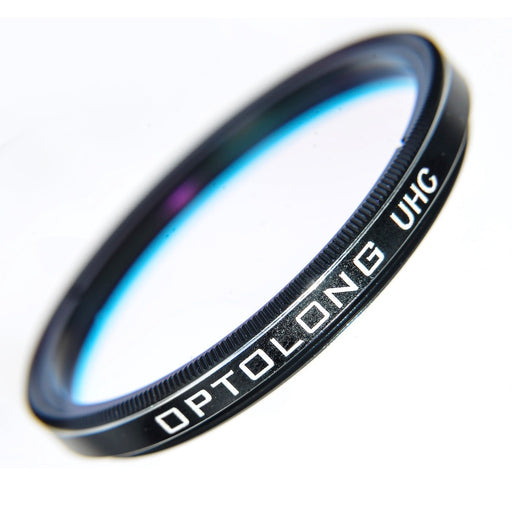
Optolong UHC Filter
Options available
9 variants in stock
Reduces skyglow from artificial and natural light pollution Blocks >99% of mercury vapor and sodium vapor light Passes key nebula emission line...
View full details
Original price
CA$77.00
-
Original price
CA$161.00
Original price
CA$77.00
-
CA$161.00
CA$77.00
-
CA$161.00
Current price
CA$77.00
Original price
CA$62.00
-
Original price
CA$91.00
Original price
CA$62.00
-
CA$91.00
CA$62.00
-
CA$91.00
Current price
CA$62.00
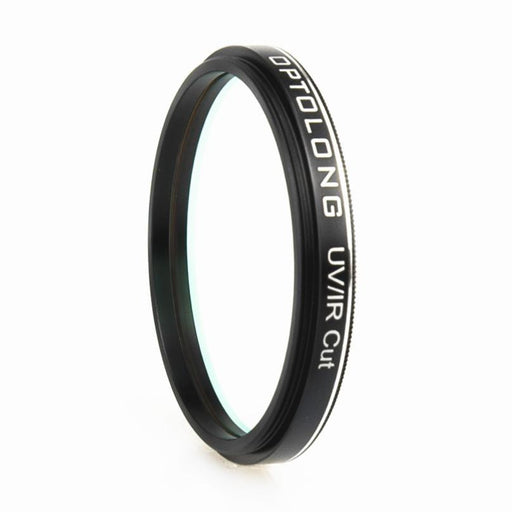
Optolong UV/IR Cut Filter
Options available
14 variants in stock
Blocks Ultraviolet (UV) and Infrared (IR) wavelengths Improves image sharpness and reduces star bloat Functions as a luminance (L) filter for mono...
View full details
Original price
CA$62.00
-
Original price
CA$91.00
Original price
CA$62.00
-
CA$91.00
CA$62.00
-
CA$91.00
Current price
CA$62.00

Original price
CA$52.00
-
Original price
CA$64.00
Original price
CA$52.00
-
CA$64.00
CA$52.00
-
CA$64.00
Current price
CA$52.00
Optolong Variable Polarizing Filter
Options available
3 variants in stock
Continuously Variable Light Transmission Available in 1.25" and 2" Barrel Sizes Ideal for Lunar, Planetary, and Terrestrial Viewing Reduces Glare ...
View full details
Original price
CA$52.00
-
Original price
CA$64.00
Original price
CA$52.00
-
CA$64.00
CA$52.00
-
CA$64.00
Current price
CA$52.00

Original price
CA$470.00
-
Original price
CA$470.00
Original price
CA$470.00
CA$470.00
-
CA$470.00
Current price
CA$470.00
Pegasus Astro LRGB Filter Set - 2"
PEG-FLTR-2M-LRGB
Complete 4-filter LRGB set for broadband deep-sky imaging Standard 2-inch mounted format for wide compatibility Guaranteed 1/4 wavefront optical p...
View full details
Original price
CA$470.00
-
Original price
CA$470.00
Original price
CA$470.00
CA$470.00
-
CA$470.00
Current price
CA$470.00

Original price
CA$699.00
-
Original price
CA$699.00
Original price
CA$699.00
CA$699.00
-
CA$699.00
Current price
CA$699.00
Player One Anti-Halo PRO Dual-Band Ha/OIII Filter - 2"
POA-AHP-HO-2
Advanced Halo Suppression: Specifically engineered to eliminate halos around even the brightest stars. Dual-Band Ha+OIII Design: Captures hydrog...
View full details
Original price
CA$699.00
-
Original price
CA$699.00
Original price
CA$699.00
CA$699.00
-
CA$699.00
Current price
CA$699.00
Original price
CA$181.00
-
Original price
CA$181.00
Original price
CA$181.00
CA$181.00
-
CA$181.00
Current price
CA$181.00
Player One CH4 8nm Filter E-series - 1.25"
POA-CH4-125E
Isolates the 8nm methane (CH4) absorption band Standard 1.25″ filter cell format Optimized for modern CMOS and CCD planetary cameras E-series feat...
View full details
Original price
CA$181.00
-
Original price
CA$181.00
Original price
CA$181.00
CA$181.00
-
CA$181.00
Current price
CA$181.00


Original price
CA$181.00
-
Original price
CA$349.00
Original price
CA$181.00
-
CA$349.00
CA$181.00
-
CA$349.00
Current price
CA$181.00
Player One Ha 7nm Narrowband Filter S-series
Options available
7nm Hydrogen-alpha (Ha) Narrowband Filter Available in 1.25" Threaded Cell and 2" Round Mounted Formats Optimized for Monochrome CMOS/CCD Cameras ...
View full details
Original price
CA$181.00
-
Original price
CA$349.00
Original price
CA$181.00
-
CA$349.00
CA$181.00
-
CA$349.00
Current price
CA$181.00

Original price
CA$39.00
-
Original price
CA$39.00
Original price
CA$39.00
CA$39.00
-
CA$39.00
Current price
CA$39.00
Player One IR685nm IR-Pass Filter S-series - 1.25"
POA-IR685
Passes infrared light with wavelengths greater than 685nm Standard 1.25" filter format for broad compatibility Significantly improves image stabil...
View full details
Original price
CA$39.00
-
Original price
CA$39.00
Original price
CA$39.00
CA$39.00
-
CA$39.00
Current price
CA$39.00

Original price
CA$39.00
-
Original price
CA$39.00
Original price
CA$39.00
CA$39.00
-
CA$39.00
Current price
CA$39.00
Player One IR850nm IR-Pass Filter S-series - 1.25"
POA-IR850
Passes Infrared Light at 850nm Standard 1.25" Filter Size Blocks Visible and Ultraviolet Light High-Quality Optical Glass Substrate Multi-Layer An...
View full details
Original price
CA$39.00
-
Original price
CA$39.00
Original price
CA$39.00
CA$39.00
-
CA$39.00
Current price
CA$39.00