
Filters
A filter decides what light reaches your sensor or your eye, and under Canadian suburban skies that decision often matters more than aperture. The right narrowband filter can make a nebula imageable from a driveway that visually shows almost nothing. David Astro carries filters in Canada — narrowband, LRGB, light pollution, planetary, solar and scientific — in 1.25", 2", 31 mm, 36 mm and unmounted formats, shipped from Canadian stock.
Filter selection is where our team spends a lot of time, because bandwidth, f-ratio and sensor size interact in ways that are not obvious from a product page. Tell us your telescope and camera and we will recommend a set that works together.


Original price
CA$137.00
-
Original price
CA$241.00
Original price
CA$137.00
-
CA$241.00
CA$137.00
-
CA$241.00
Current price
CA$137.00
Baader Planetarium H-alpha Bandpass Filter (20nm)
Options available
H-alpha Bandpass Filter in 1.25" & 2" Sizes 20nm FWHM Bandwidth 656.3nm Center Wavelength Optimized for Color CMOS/CCD Cameras High-Contrast f...
View full details
Original price
CA$137.00
-
Original price
CA$241.00
Original price
CA$137.00
-
CA$241.00
CA$137.00
-
CA$241.00
Current price
CA$137.00


Original price
CA$233.00
-
Original price
CA$571.00
Original price
CA$233.00
-
CA$571.00
CA$233.00
-
CA$571.00
Current price
CA$233.00
Baader Planetarium H-alpha f/2 Highspeed-Filter (6.5nm) – CMOS-optimized
Options available
Engineered for ultra-fast f/2 optical systems 6.5nm H-alpha bandpass for high-contrast imaging CMOS-optimized to suppress halos and internal refle...
View full details
Original price
CA$233.00
-
Original price
CA$571.00
Original price
CA$233.00
-
CA$571.00
CA$233.00
-
CA$571.00
Current price
CA$233.00


Original price
CA$431.00
-
Original price
CA$1,079.00
Original price
CA$431.00
-
CA$1,079.00
CA$431.00
-
CA$1,079.00
Current price
CA$431.00
Baader Planetarium H-alpha f/2 Ultra-Highspeed-Filter (3.5nm) – CMOS-optimized
Options available
Engineered for f/2 ultra-highspeed optical systems 3.5nm bandpass for maximum H-alpha contrast CMOS-optimized with anti-reflection coatings Availa...
View full details
Original price
CA$431.00
-
Original price
CA$1,079.00
Original price
CA$431.00
-
CA$1,079.00
CA$431.00
-
CA$1,079.00
Current price
CA$431.00


Original price
CA$417.00
-
Original price
CA$934.00
Original price
CA$417.00
-
CA$934.00
CA$417.00
-
CA$934.00
Current price
CA$417.00
Baader Planetarium H-alpha f/3 Ultra-Highspeed-Filter (3.5nm) – CMOS-optimized
Options available
3.5nm H-alpha Bandpass Optimized for f/3 Ultra-High-Speed Systems Available in 1.25" & 2" mounted, 31mm, 36mm & 50.4mm round unmounted, an...
View full details
Original price
CA$417.00
-
Original price
CA$934.00
Original price
CA$417.00
-
CA$934.00
CA$417.00
-
CA$934.00
Current price
CA$417.00


Original price
CA$415.00
-
Original price
CA$932.00
Original price
CA$415.00
-
CA$932.00
CA$415.00
-
CA$932.00
Current price
CA$415.00
Baader Planetarium H-alpha Ultra-Narrowband-Filter (3.5nm) – CMOS-optimized
Options available
1 variants in stock
3.5nm Ultra-Narrow Bandpass Available in 1.25" & 2" mounted, 31mm, 36mm & 50.4mm round unmounted, and 50x50mm & 65x65mm square sizes C...
View full details
Original price
CA$415.00
-
Original price
CA$932.00
Original price
CA$415.00
-
CA$932.00
CA$415.00
-
CA$932.00
Current price
CA$415.00


Original price
CA$0.00
-
Original price
CA$634.00
Original price
CA$0.00
-
CA$634.00
CA$0.00
-
CA$634.00
Current price
CA$0.00
Baader Planetarium H-Beta Narrowband-Filter (5.5nm) – CMOS-optimized
Options available
Isolates Hydrogen-Beta (H-Beta) Emission Line 5.5nm FWHM Narrowband Passband Available in 1.25" & 2" Mounted, 31/36/50.4mm Round Unmounted and...
View full details
Original price
CA$0.00
-
Original price
CA$634.00
Original price
CA$0.00
-
CA$634.00
CA$0.00
-
CA$634.00
Current price
CA$0.00


Original price
CA$232.00
-
Original price
CA$565.00
Original price
CA$232.00
-
CA$565.00
CA$232.00
-
CA$565.00
Current price
CA$232.00
Baader Planetarium O-III f/2 Highspeed-Filter (6.5nm) – CMOS-optimized
Options available
6.5nm FWHM Bandpass for O-III Optimized for f/2 to f/3.5 High-Speed Optical Systems Available in 1.25" & 2" Mounted, 31mm, 36mm, 47.4mm (FCCT)...
View full details
Original price
CA$232.00
-
Original price
CA$565.00
Original price
CA$232.00
-
CA$565.00
CA$232.00
-
CA$565.00
Current price
CA$232.00


Original price
CA$395.00
-
Original price
CA$829.00
Original price
CA$395.00
-
CA$829.00
CA$395.00
-
CA$829.00
Current price
CA$395.00
Baader Planetarium O-III f/2 Ultra-Highspeed-Filter (4nm) – CMOS-optimized
Options available
4nm FWHM Bandpass Optimized for f/2 Ultra-Highspeed Systems Available in 1.25" & 2" Mounted, 31mm, 36mm, 47.4mm (FCCT) & 50.4mm Round Unmo...
View full details
Original price
CA$395.00
-
Original price
CA$829.00
Original price
CA$395.00
-
CA$829.00
CA$395.00
-
CA$829.00
Current price
CA$395.00


Original price
CA$383.00
-
Original price
CA$823.00
Original price
CA$383.00
-
CA$823.00
CA$383.00
-
CA$823.00
Current price
CA$383.00
Baader Planetarium O-III f/3 Ultra-Highspeed-Filter (4nm) – CMOS-optimized
Options available
4nm FWHM Ultra-Narrow Bandpass Optimized for f/3 and Faster Optical Systems Available in 1.25" & 2" Mounted, 31mm, 36mm & 50.4mm Round Unm...
View full details
Original price
CA$383.00
-
Original price
CA$823.00
Original price
CA$383.00
-
CA$823.00
CA$383.00
-
CA$823.00
Current price
CA$383.00


Original price
CA$130.00
-
Original price
CA$241.00
Original price
CA$130.00
-
CA$241.00
CA$130.00
-
CA$241.00
Current price
CA$130.00
Baader Planetarium O-III Super-G Filter (9nm) – CMOS-optimized
Options available
1 variants in stock
9nm O-III Narrowband Passband Functions as a "Super-G" Green Filter Replacement CMOS-Optimized Coatings for High Contrast Reduces Impact of Atmosp...
View full details
Original price
CA$130.00
-
Original price
CA$241.00
Original price
CA$130.00
-
CA$241.00
CA$130.00
-
CA$241.00
Current price
CA$130.00


Original price
CA$136.00
-
Original price
CA$398.00
Original price
CA$136.00
-
CA$398.00
CA$136.00
-
CA$398.00
Current price
CA$136.00
Baader Planetarium RGB B-Filter – CMOS-optimized
Options available
Available in 1.25" & 2" Mounted, Round Unmounted and Square Sizes Blue (B) Channel for LRGB Imaging Optimized for Modern CMOS Sensors Designed...
View full details
Original price
CA$136.00
-
Original price
CA$398.00
Original price
CA$136.00
-
CA$398.00
CA$136.00
-
CA$398.00
Current price
CA$136.00


Original price
CA$370.00
-
Original price
CA$1,041.00
Original price
CA$370.00
-
CA$1,041.00
CA$370.00
-
CA$1,041.00
Current price
CA$370.00
Baader Planetarium RGB Filter Set – CMOS-optimized
Options available
Set of three Red, Green, and Blue (RGB) filters Optimized for modern CMOS sensors to eliminate reflections Available in 1.25" & 2" mounted, 31...
View full details
Original price
CA$370.00
-
Original price
CA$1,041.00
Original price
CA$370.00
-
CA$1,041.00
CA$370.00
-
CA$1,041.00
Current price
CA$370.00


Original price
CA$139.00
-
Original price
CA$401.00
Original price
CA$139.00
-
CA$401.00
CA$139.00
-
CA$401.00
Current price
CA$139.00
Baader Planetarium RGB G-Filter – CMOS-optimized
Options available
Green (G) Component for LRGB Color Imaging Available in 1.25" & 2" Mounted, Round Unmounted and Square Sizes Optimized for Modern CMOS Sensors...
View full details
Original price
CA$139.00
-
Original price
CA$401.00
Original price
CA$139.00
-
CA$401.00
CA$139.00
-
CA$401.00
Current price
CA$139.00


Original price
CA$137.00
-
Original price
CA$399.00
Original price
CA$137.00
-
CA$399.00
CA$137.00
-
CA$399.00
Current price
CA$137.00
Baader Planetarium RGB R-Filter – CMOS-optimized
Options available
Red (R) filter for LRGB astrophotography Available in 1.25" & 2" mounted, round unmounted and square sizes Optimized for modern CMOS sensors H...
View full details
Original price
CA$137.00
-
Original price
CA$399.00
Original price
CA$137.00
-
CA$399.00
CA$137.00
-
CA$399.00
Current price
CA$137.00


Original price
CA$231.00
-
Original price
CA$567.00
Original price
CA$231.00
-
CA$567.00
CA$231.00
-
CA$567.00
Current price
CA$231.00
Baader Planetarium S-II f/2 Highspeed-Filter (6.5nm) – CMOS-optimized
Options available
6.5nm Sulfur-II Narrowband Filter Optimized for f/2 High-Speed Optical Systems Available in 1.25" & 2" Mounted, 31mm, 36mm, 50.4mm & 2" FC...
View full details
Original price
CA$231.00
-
Original price
CA$567.00
Original price
CA$231.00
-
CA$567.00
CA$231.00
-
CA$567.00
Current price
CA$231.00


Original price
CA$391.00
-
Original price
CA$838.00
Original price
CA$391.00
-
CA$838.00
CA$391.00
-
CA$838.00
Current price
CA$391.00
Baader Planetarium S-II f/2 Ultra-Highspeed-Filter (4nm) – CMOS-optimized
Options available
4nm FWHM Bandpass for Sulfur-II (S-II) Engineered for f/2 Ultra-Highspeed Optical Systems Available in 1.25" & 2" Mounted, 31mm, 36mm, 50.4mm ...
View full details
Original price
CA$391.00
-
Original price
CA$838.00
Original price
CA$391.00
-
CA$838.00
CA$391.00
-
CA$838.00
Current price
CA$391.00


Original price
CA$392.00
-
Original price
CA$829.00
Original price
CA$392.00
-
CA$829.00
CA$392.00
-
CA$829.00
Current price
CA$392.00
Baader Planetarium S-II f/3 Ultra-Highspeed-Filter (4nm) – CMOS-optimized
Options available
4nm Bandwidth (FWHM) Pre-Shifted for Fast f/3 Optical Systems Available in 1.25" & 2" Mounted, 31mm, 36mm & 50.4mm Unmounted Round, and 50...
View full details
Original price
CA$392.00
-
Original price
CA$829.00
Original price
CA$392.00
-
CA$829.00
CA$392.00
-
CA$829.00
Current price
CA$392.00


Original price
CA$389.00
-
Original price
CA$827.00
Original price
CA$389.00
-
CA$827.00
CA$389.00
-
CA$827.00
Current price
CA$389.00
Baader Planetarium S-II Ultra-Narrowband-Filter (4nm) – CMOS-optimized
Options available
1 variants in stock
4nm Full-Width Half-Maximum (FWHM) Bandpass Optimized for Modern CMOS Sensors Available in 1.25" (M28.5 x 0.6) & 2" Mounted, 31mm, 36mm & ...
View full details
Original price
CA$389.00
-
Original price
CA$827.00
Original price
CA$389.00
-
CA$827.00
CA$389.00
-
CA$827.00
Current price
CA$389.00


Original price
CA$561.00
-
Original price
CA$561.00
Original price
CA$561.00
CA$561.00
-
CA$561.00
Current price
CA$561.00
Baader Planetarium UHC-L / Ultra-L-Booster Filter 65x65mm
BAA-2961566
65x65mm Unmounted Square Format Optimized for LED Light Pollution Rejection High-Contrast Views of Emission Nebulae Ideal Complement to Narrowband...
View full details
Original price
CA$561.00
-
Original price
CA$561.00
Original price
CA$561.00
CA$561.00
-
CA$561.00
Current price
CA$561.00


Original price
CA$101.00
-
Original price
CA$357.00
Original price
CA$101.00
-
CA$357.00
CA$101.00
-
CA$357.00
Current price
CA$101.00
Baader Planetarium UV/IR-Cut / L-Filter – CMOS-optimized
Options available
Serves as a high-transmission Luminance (L) filter Provides complete Ultraviolet (UV) and Infrared (IR) blocking Engineered with CMOS-optimized an...
View full details
Original price
CA$101.00
-
Original price
CA$357.00
Original price
CA$101.00
-
CA$357.00
CA$101.00
-
CA$357.00
Current price
CA$101.00
Original price
CA$117.00
-
Original price
CA$169.00
Original price
CA$117.00
-
CA$169.00
CA$117.00
-
CA$169.00
Current price
CA$117.00
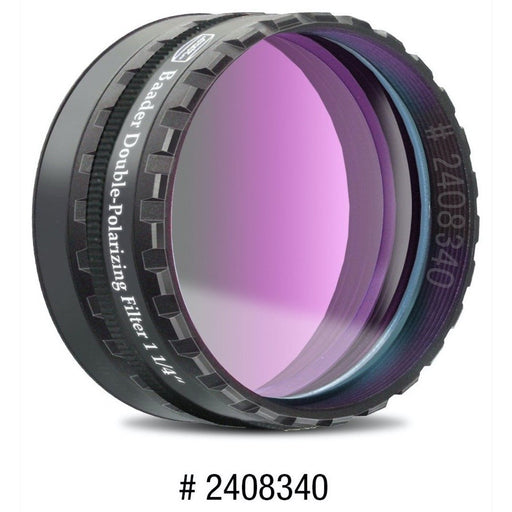
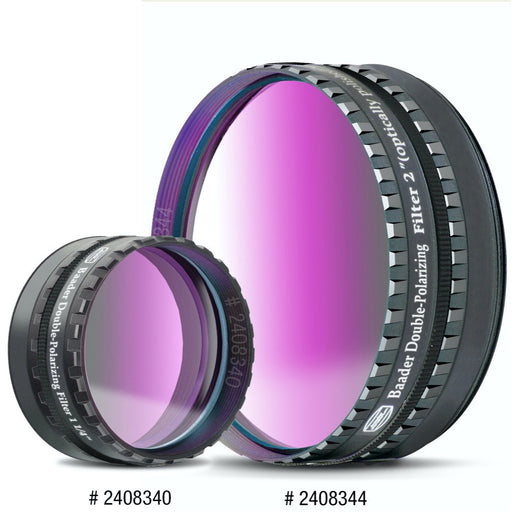
Baader Polarizing Filter - Double
Options available
2 variants in stock
Continuously variable brightness adjustment Available in 1.25" and 2" barrel sizes Reduces glare on the Moon and bright planets Single-unit, doubl...
View full details
Original price
CA$117.00
-
Original price
CA$169.00
Original price
CA$117.00
-
CA$169.00
CA$117.00
-
CA$169.00
Current price
CA$117.00
Original price
CA$62.00
-
Original price
CA$105.00
Original price
CA$62.00
-
CA$105.00
CA$62.00
-
CA$105.00
Current price
CA$62.00
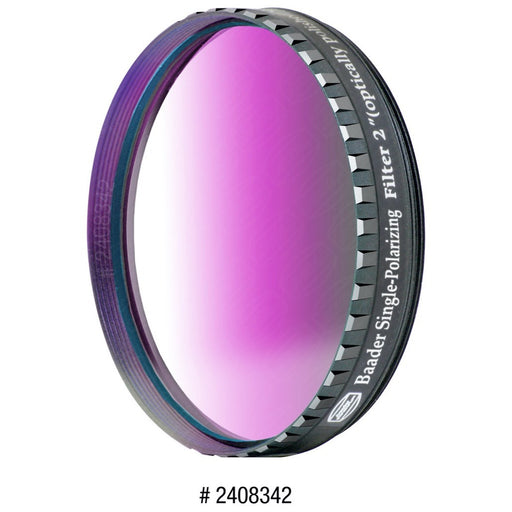
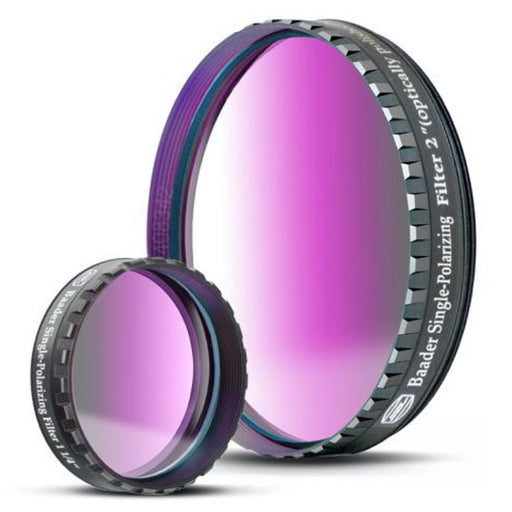
Baader Polarizing Filter - Single
Options available
1 variants in stock
Available in 1.25" and 2" Barrel Sizes Essential for Brightness Control with a Herschel Wedge Enhances Contrast on Planetary and Lunar Targets Sta...
View full details
Original price
CA$62.00
-
Original price
CA$105.00
Original price
CA$62.00
-
CA$105.00
CA$62.00
-
CA$105.00
Current price
CA$62.00
Original price
CA$132.00
-
Original price
CA$238.00
Original price
CA$132.00
-
CA$238.00
CA$132.00
-
CA$238.00
Current price
CA$132.00
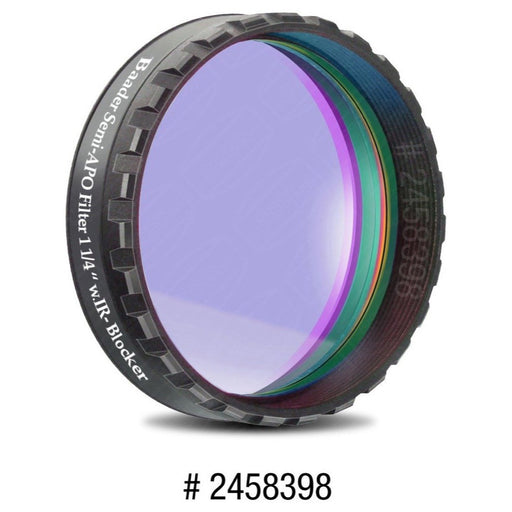
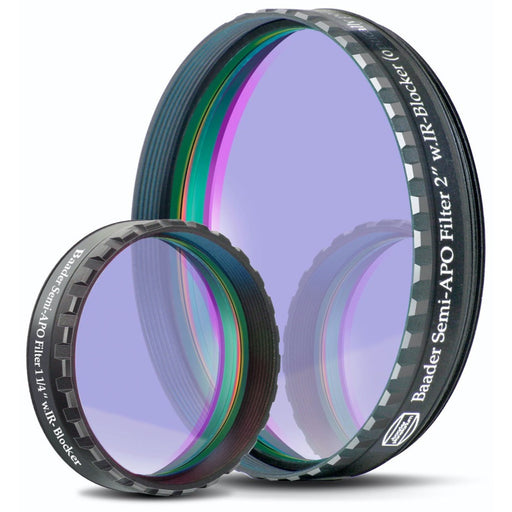
Baader Semi-APO Filter
Options available
Reduces chromatic aberration in achromatic refractors Enhances contrast on the Moon, planets, and bright stars Improves star sharpness by tighteni...
View full details
Original price
CA$132.00
-
Original price
CA$238.00
Original price
CA$132.00
-
CA$238.00
CA$132.00
-
CA$238.00
Current price
CA$132.00
Original price
CA$348.00
-
Original price
CA$487.00
Original price
CA$348.00
-
CA$487.00
CA$348.00
-
CA$487.00
Current price
CA$348.00
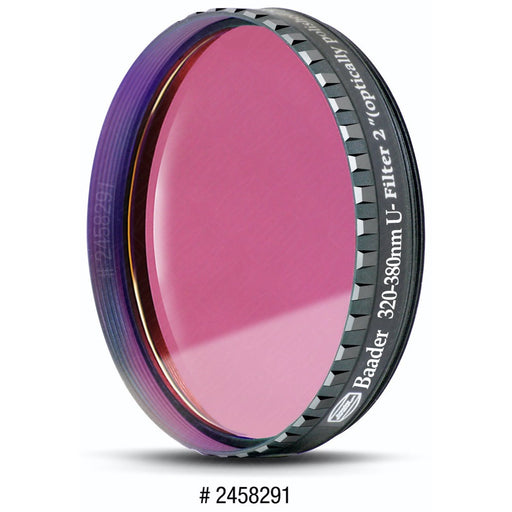
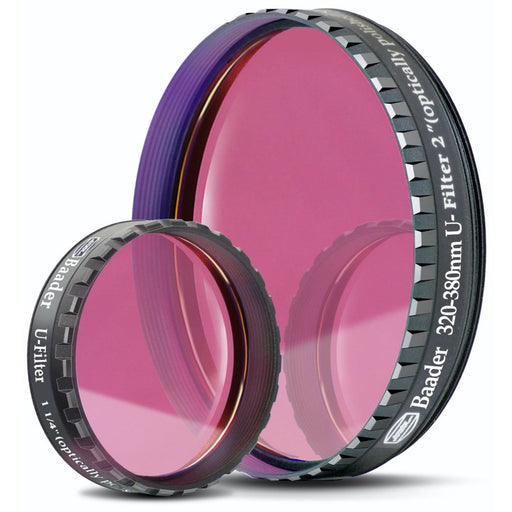
Baader U-Venus Filter - 350nm
Options available
350nm Central Wavelength 60nm Bandwidth (320-380nm) ~80% Peak Transmission Blocks Visible and IR light from 200nm to 1120nm Dielectric Multi-Coate...
View full details
Original price
CA$348.00
-
Original price
CA$487.00
Original price
CA$348.00
-
CA$487.00
CA$348.00
-
CA$487.00
Current price
CA$348.00