
Reflectors
No design delivers more aperture for the money than a Newtonian reflector. A mirror is cheaper to make well than a lens, has no chromatic aberration whatsoever, and scales to sizes that would be impossible in glass — which is why almost every large amateur telescope is a reflector. David Astro carries reflectors in Canada, from fast imaging astrographs to large visual Newtonians, stocked in Canada and shipped worldwide.
The trade is collimation and a coma corrector. Both are manageable, and we will be straightforward about what each telescope actually needs.
Original price
CA$1,119.00
-
Original price
CA$1,119.00
Original price
CA$1,119.00
CA$1,119.00
-
CA$1,119.00
Current price
CA$1,119.00
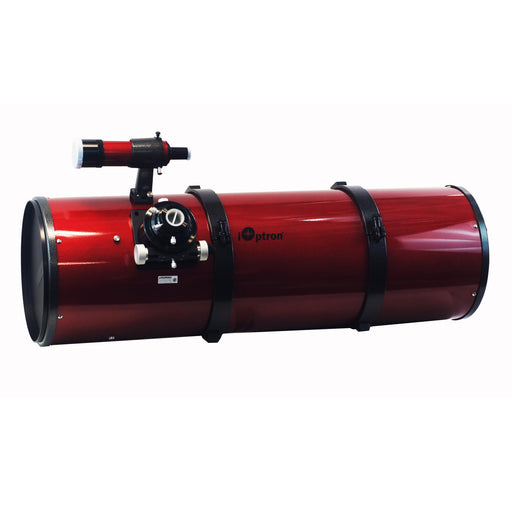
iOptron 250mm f/4 Imaging Newtonian
IOP-6313
250mm (10") Parabolic Primary Mirror 1000mm Focal Length Fast f/4 Focal Ratio 10:1 Dual-Speed Focuser 34 lb 1 oz Optical Tube Assembly Weight D...
View full details
Original price
CA$1,119.00
-
Original price
CA$1,119.00
Original price
CA$1,119.00
CA$1,119.00
-
CA$1,119.00
Current price
CA$1,119.00
Original price
CA$1,539.00
-
Original price
CA$1,539.00
Original price
CA$1,539.00
CA$1,539.00
-
CA$1,539.00
Current price
CA$1,539.00
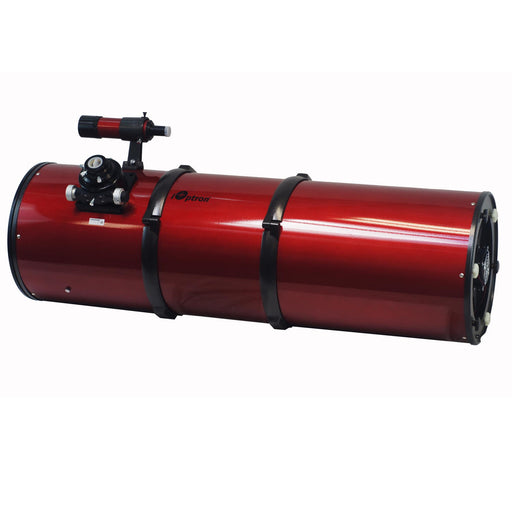
iOptron 300mm f/4 Imaging Newtonian
IOP-6315
Clear Aperture: 300mm (11.8") Focal Ratio: f/4 Focal Length: 1200mm OTA Weight: 48 lbs Focuser: 10:1 dual-speed Description FAQ Specificat...
View full details
Original price
CA$1,539.00
-
Original price
CA$1,539.00
Original price
CA$1,539.00
CA$1,539.00
-
CA$1,539.00
Current price
CA$1,539.00

Original price
CA$4,043.00
-
Original price
CA$4,043.00
Original price
CA$4,043.00
CA$4,043.00
-
CA$4,043.00
Current price
CA$4,043.00
iOptron Photron™ 10-inch Ritchey-Chrétien Telescope (RC10) 3'' Focuser
IOP-6113
250mm (10-inch) Ritchey-Chrétien Optical Design 2000mm Focal Length at f/8 0.46 arc second Resolving Power 3-inch Dual Speed Focuser 35 lb Steel T...
View full details
Original price
CA$4,043.00
-
Original price
CA$4,043.00
Original price
CA$4,043.00
CA$4,043.00
-
CA$4,043.00
Current price
CA$4,043.00

Original price
CA$2,303.00
-
Original price
CA$2,303.00
Original price
CA$2,303.00
CA$2,303.00
-
CA$2,303.00
Current price
CA$2,303.00
SharpStar 130mm f/2.8 HNT Hyperbolic Newtonian Astrograph
SSO-13028HNT-AL
1 in stock
130mm Hyperbolic Newtonian Optics 364mm Focal Length f/2.8 Focal Ratio 44mm Full-Frame Image Circle Total Assembled Weight: 4.8kg Description F...
View full details
Original price
CA$2,303.00
-
Original price
CA$2,303.00
Original price
CA$2,303.00
CA$2,303.00
-
CA$2,303.00
Current price
CA$2,303.00

Original price
CA$2,765.00
-
Original price
CA$2,765.00
Original price
CA$2,765.00
CA$2,765.00
-
CA$2,765.00
Current price
CA$2,765.00
SharpStar 150mm f/2.8 HNT Hyperbolic Newtonian Astrograph
SSO-15028HNT-AL
Aperture: 150mm Focal Ratio: f/2.8 Image Circle: 44mm Gross Weight: 6 kg Back-Focus: 55mm Description FAQ Specifications In the Box Downloads W...
View full details
Original price
CA$2,765.00
-
Original price
CA$2,765.00
Original price
CA$2,765.00
CA$2,765.00
-
CA$2,765.00
Current price
CA$2,765.00
Original price
CA$4,193.00
-
Original price
CA$4,193.00
Original price
CA$4,193.00
CA$4,193.00
-
CA$4,193.00
Current price
CA$4,193.00
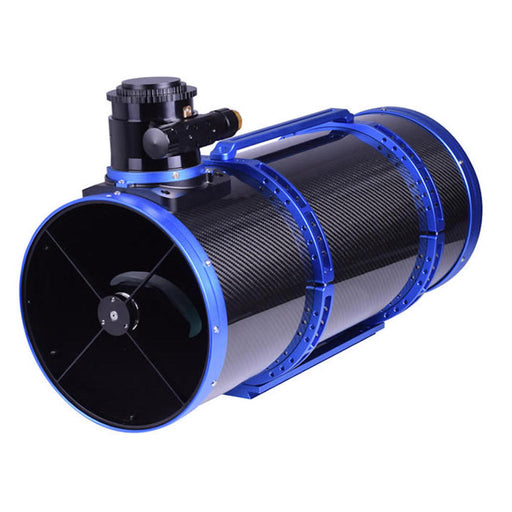
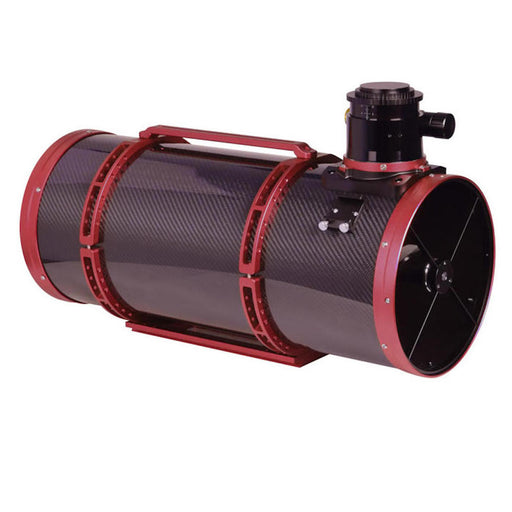
SharpStar 200mm f/3.2 PNT Parabolic Newtonian Astrograph
SSO-20032PNT
SHARPSTAR's newly developed ultra-short focal ratio paraboloid Newtonian reflector 20032PNT was launched, which filled a domestic gap in this fie...
View full details
Original price
CA$4,193.00
-
Original price
CA$4,193.00
Original price
CA$4,193.00
CA$4,193.00
-
CA$4,193.00
Current price
CA$4,193.00
Sold out
Original price
CA$920.00
-
Original price
CA$920.00
Original price
CA$920.00
CA$920.00
-
CA$920.00
Current price
CA$920.00
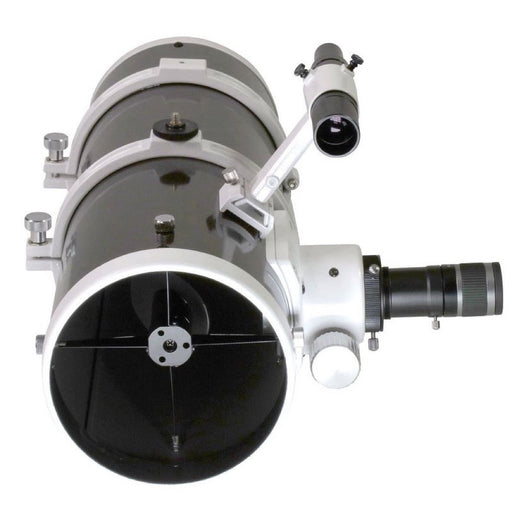
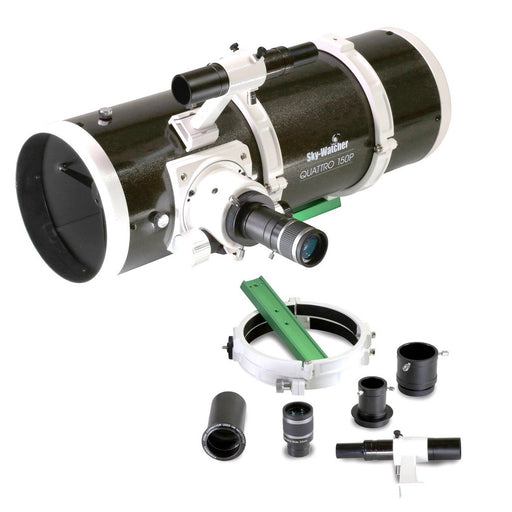
Sky-Watcher Quattro 150P Imaging Newtonian 6" (150mm)
SW-S11205
1 in stock
150mm (6") Primary Aperture Fast f/3.9 Focal Ratio 600mm Focal Length 2" Dual-Speed Crayford Focuser Coma Corrector/Reducer Included 12.6-pound Op...
View full details
Original price
CA$920.00
-
Original price
CA$920.00
Original price
CA$920.00
CA$920.00
-
CA$920.00
Current price
CA$920.00
Original price
CA$1,290.00
-
Original price
CA$1,290.00
Original price
CA$1,290.00
CA$1,290.00
-
CA$1,290.00
Current price
CA$1,290.00
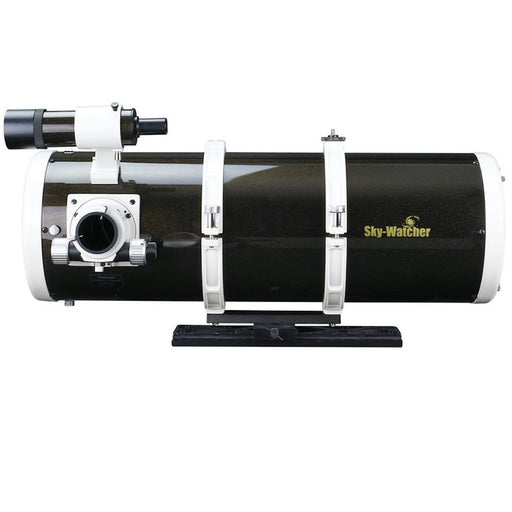
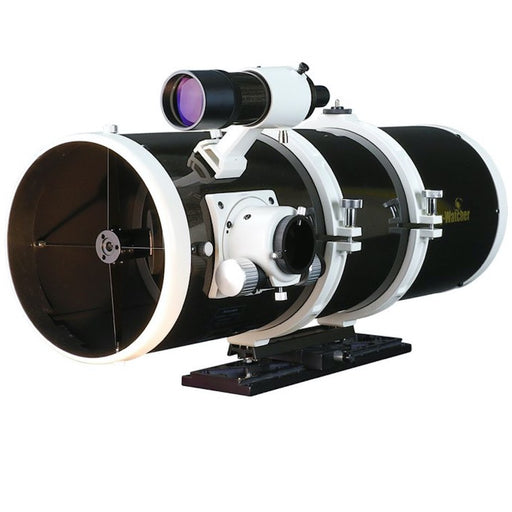
Sky-Watcher Quattro 200P Imaging Newtonian 8" (205 mm)
SW-S11210
1 in stock
203mm (8-inch) Newtonian Reflector Astrograph Fast f/4 Focal Ratio for Short Exposures 800mm Focal Length 94% Reflectivity Radiant™ Aluminum Quart...
View full details
Original price
CA$1,290.00
-
Original price
CA$1,290.00
Original price
CA$1,290.00
CA$1,290.00
-
CA$1,290.00
Current price
CA$1,290.00
Original price
CA$1,840.00
-
Original price
CA$1,840.00
Original price
CA$1,840.00
CA$1,840.00
-
CA$1,840.00
Current price
CA$1,840.00
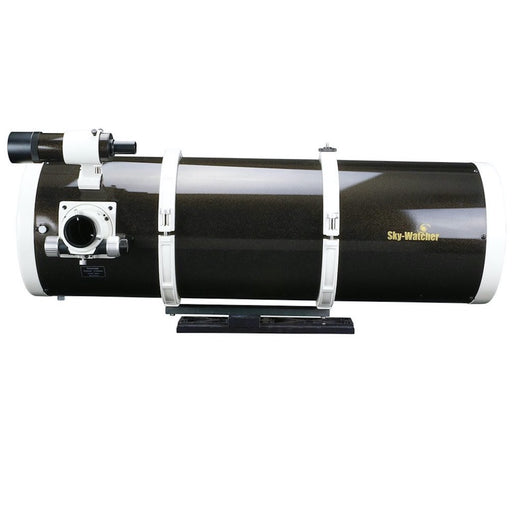
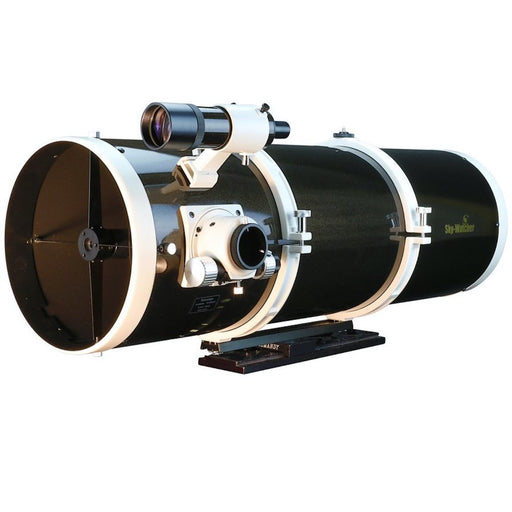
Sky-Watcher Quattro 250P Imaging Newtonian 10" (254 mm)
SW-S11220
1 in stock
254mm (10-inch) Newtonian Reflector Astrograph 1000mm Focal Length Fast f/4 Focal Ratio 94% Reflectivity Radiant™ Aluminum Quartz (RAQ) Coatings 2...
View full details
Original price
CA$1,840.00
-
Original price
CA$1,840.00
Original price
CA$1,840.00
CA$1,840.00
-
CA$1,840.00
Current price
CA$1,840.00
Original price
CA$2,770.00
-
Original price
CA$2,770.00
Original price
CA$2,770.00
CA$2,770.00
-
CA$2,770.00
Current price
CA$2,770.00
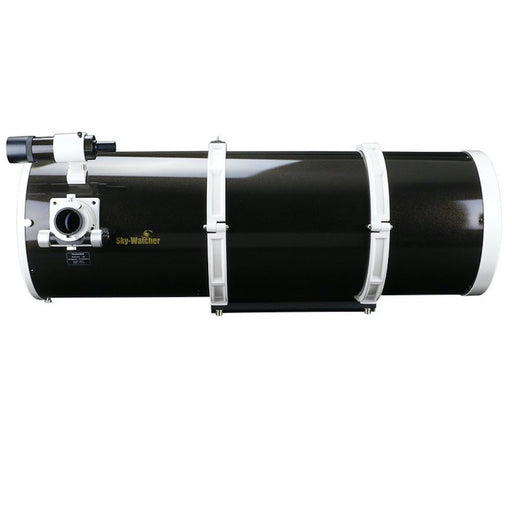
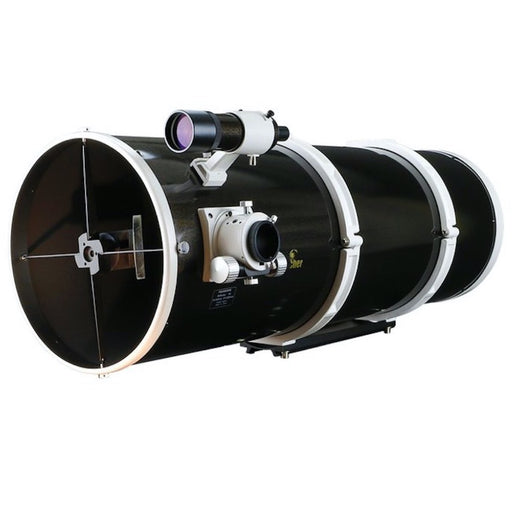
Sky-Watcher Quattro 300P Imaging Newtonian 12" (305 mm)
SW-S11230
305mm (12") Newtonian Reflector Astrograph 1200mm Focal Length Fast f/4 Focal Ratio 94% Reflectivity Radiant™ Aluminum Quartz (RAQ™) Coatings 57 l...
View full details
Original price
CA$2,770.00
-
Original price
CA$2,770.00
Original price
CA$2,770.00
CA$2,770.00
-
CA$2,770.00
Current price
CA$2,770.00